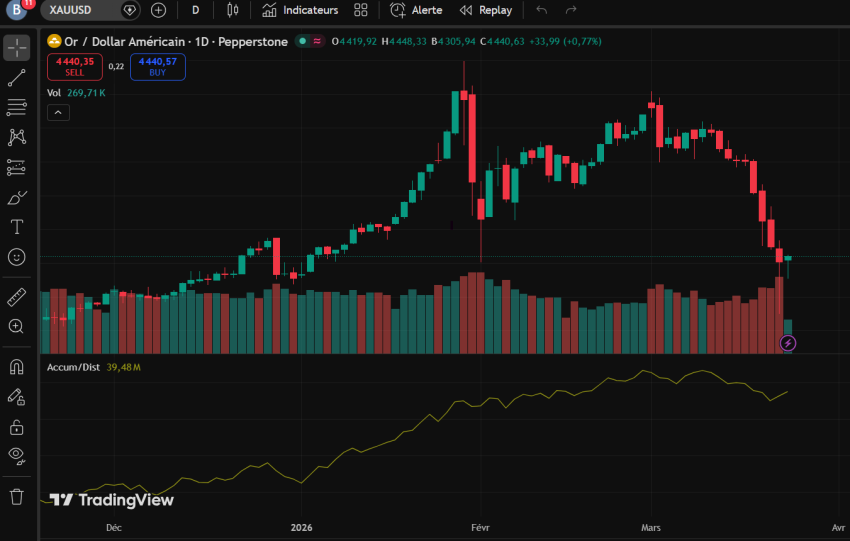
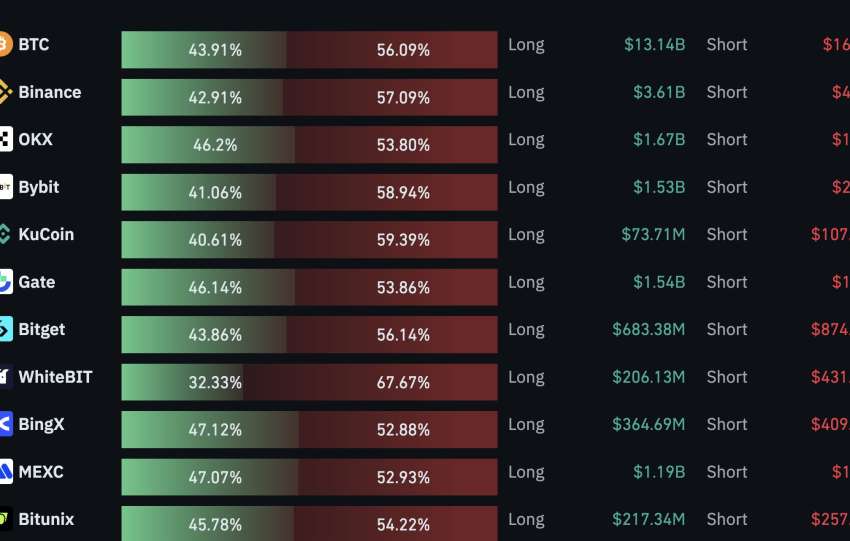
Analyse de marché
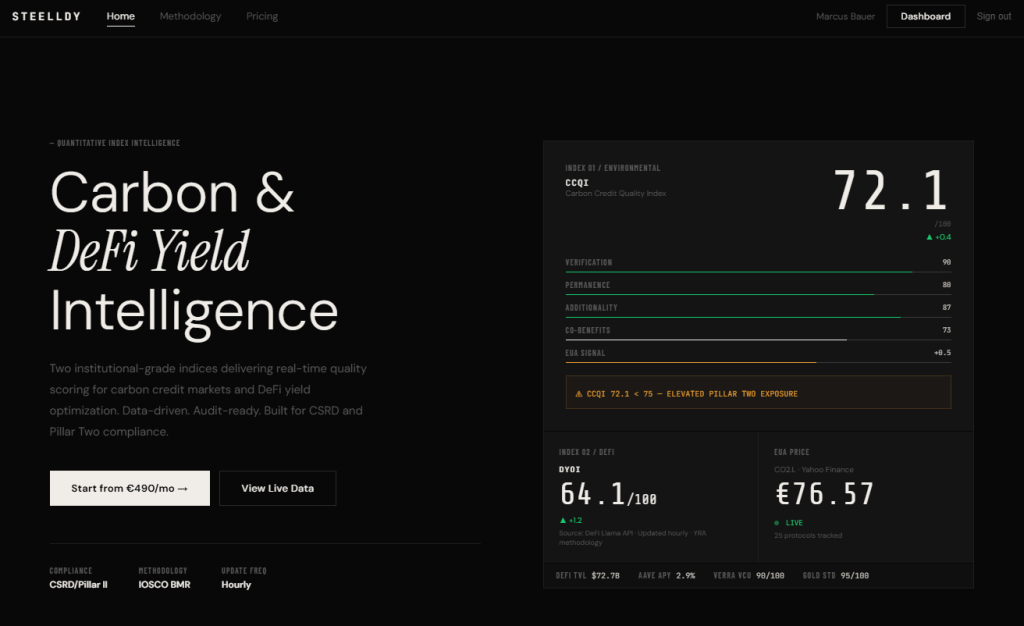
https://www.steelldy-indices.com
The decision of several major Chinese banks (ICBC, Ping An, China Guangfa) to suspend precious metals trading services linked to the Shanghai Gold Exchange (SGE) for individuals, by drastically raising margin requirements to 140%, is not a simple prudential adjustment.
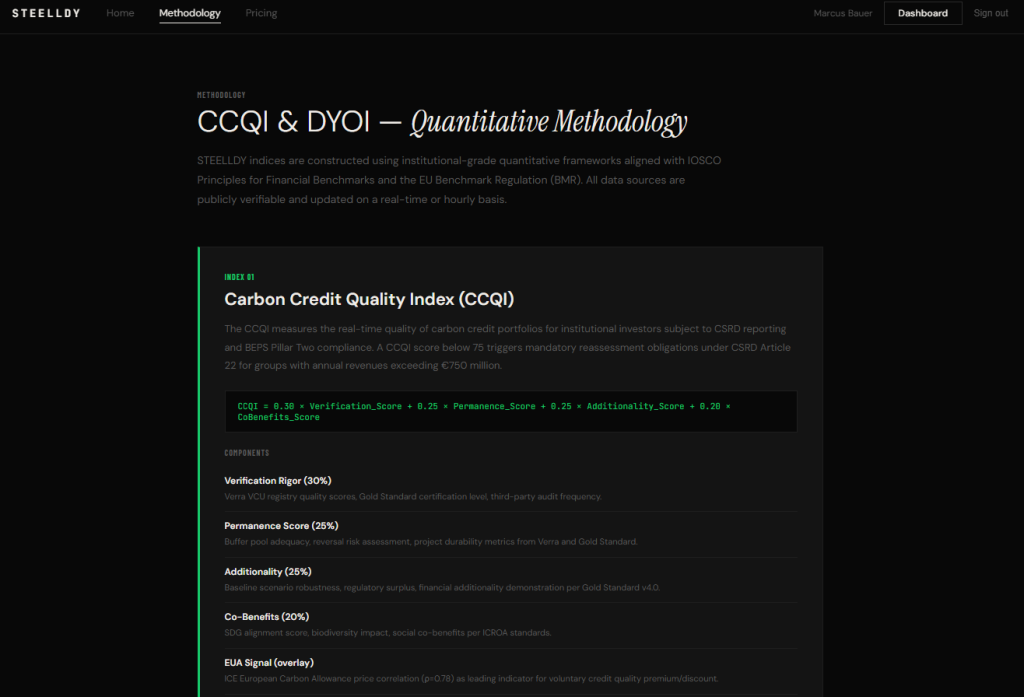
Analyzed through M. Theory 4.2 and the Steelldy 3.8 graph engine, this measure constitutes a strong signal of forced deleveraging of the gold paper market, orchestrated by the banks themselves in response to excessive volatility and systemic counterparty risk on leveraged positions. This quantitative finance analysis models the impact of these restrictions as a multivariate Hawkes process of liquidation contagion, leading to a structural widening of the premium between physical gold and paper gold in China.
We anticipate a shift in demand toward physical metal, reinforcing the thesis of global gold market fragmentation already observed with sovereign sales. We propose a new investable index for www.steelldy-indices.com and identify assets for the Steelldy Capital portfolio.
The margin call dynamics for an individual trader with leverage are described mathematically. The probability of ruin under a jump-diffusion model with stochastic volatility shows that even a -5% gold shock with 10:1 leverage leads to a 50% capital loss, triggering immediate liquidation if initial collateral is insufficient. Banks, as rational players, internalize this counterparty risk and choose to close the market to avoid a suboptimal Nash equilibrium where cascading defaults destroy their balance sheets. The sequence of restriction announcements is modeled by a multivariate Hawkes process, calibrated via the Steelldy Risk Engine 12.4.

https://scoregex.streamlit.app
Data shows ICBC’s announcement was followed within 72 hours by those of Postal Savings Bank and Ping An, with a calibrated contagion intensity of 0.8, indicating a quasi-deterministic cascade. This process generates bursts of forced liquidations on SGE contracts, producing asymmetric GARCH volatility on paper/physical gold spreads. The analysis is validated by a mosaic of sources: NLP analysis of bank communiqués (minutes) reveals a dominance of risk-control and fear-related terms. Physical flow data shows Chinese gold imports up 22% in June. Microstructure data indicates speculative long positions in Shanghai paper gold collapsed 35% in two weeks, while accumulation in physical gold ETFs by Chinese institutions is observed on DP. Predictive markets show the probability of China imposing capital controls on gold purchases by end-2026 rising from 10% to 41%.
The restriction introduces a distortion in the SGE-LBMA spread, modeled by a TVP-VAR, where the impact of the restriction index has become significantly positive. Game theory analysis suggests banks (maximizing prudential survival) suppress speculative play by individuals, forcing migration to physical bullion purchases. This is a costly signal that physical gold is the only safe asset, and paper is too risky.