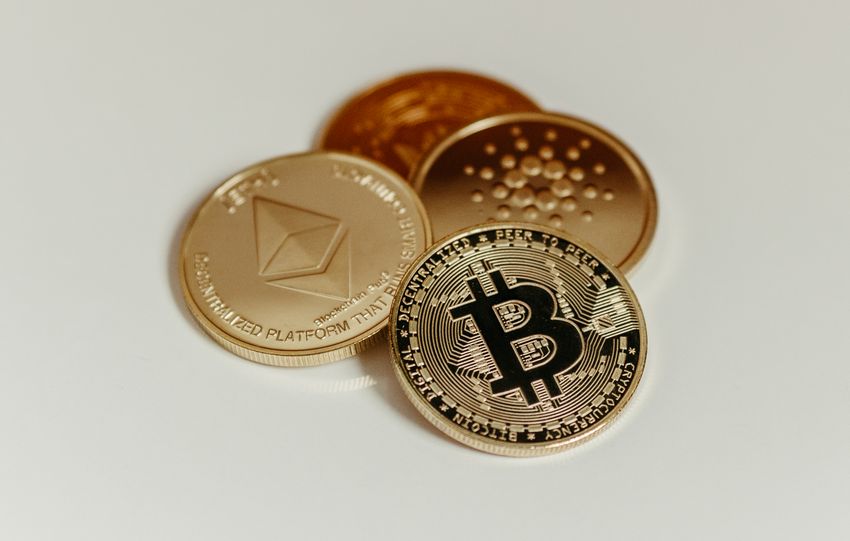
Size and dynamics. The on-chain value of tokenized real-world assets (excluding stablecoins) reached $33.5 billion in July 2026 according to rwa.xyz (reference dashboard), approximately 4x the level at the start of 2025; Chainalysis reports ~$31 billion (+400%), Canton ~$36 billion? the discrepancy is methodological, not contradictory. In "represented" value (underlying assets referenced), rwa.xyz reports ~$218–369…
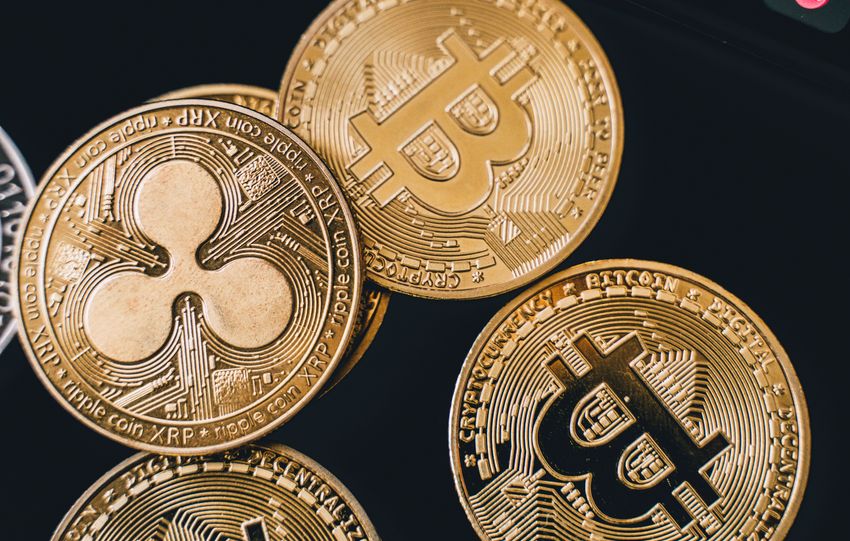
The defining shift in digital assets this decade is not a price level. It is a change in structure: from instruments whose value rests on uncertain future appreciation to instruments whose value is delivered through continuous, automated cash flows, rent, interest, coupons, distributed by code. The RWA market has quietly completed this migration in 2026,…
In less than twelve weeks, on 14 November 2026, the SWIFT CBPR+ network will begin rejecting cross-border payment messages that carry fully unstructured postal addresses. SEPA follows on 15 November. There is no extension mechanism: the deadline was set through SWIFT’s formal community process and is enforced at network level, a non-compliant message is NAKed…
The Omnibus package reduces the reporting scope but mechanically increases the published alignment ratios, a comparability risk for investors. Symmetrically, the voluntary carbon market is completing its bifurcation: CCP-labelled credits with a quality premium (25%) vs a high-risk legacy stock. Verifiable quality becomes an asset class. Key Data
• Omnibus I (Directive (EU) 2026/470,…
The European Omnibus did not kill ESG: it transformed it from a mass legal obligation into a competitive market advantage. The demand for reliable ESG data is shifting from regulators to investors, banks, and buyers, and ESG ratings themselves are now under supervision.
The new regime (Directive (EU) 2026/470, in force since 18/03/2026). CSRD:…
The "AI bubble" debate is secondary; what is observable is the largest private investment cycle in modern history, whose spillover effects ripple across energy, industrial real estate, semiconductors, robotics, and cities. The supercycle figures. The five major hyperscalers (Microsoft, Alphabet, Amazon, Meta, Oracle) will commit $660-725 billion in capex by 2026, nearly double that of…
The 2026 cycle has made its decision clear: value is migrating from protocol tokens toward (a) settlement and compliance infrastructure, and (b) real assets transiting through the rails. DAOs only survive when they back their treasuries with real cash flows.
Blockchains: consolidation of rails. The industry is concentrating on a few settlement rails (1:1 migrations…
2026-2027 is the window in which the digital currency architecture will lock in for a decade. Three rails will coexist — regulated private stablecoins, CBDC (especially wholesale), ISO 20022 banking rails, and value will concentrate in the interoperability and proof layer (reserves, compliance, settlement quality).
Stablecoins: from experimentation to regulated instrument. Market cap…
No more "speculative NFTs": tokenized assets are becoming income generating instruments , rents, interest, coupons distributed via smart contracts.
Analysis of a paradigm shift that brings RWA closer to private credit and fixed income. Tokenization was first framed as a story of appreciation: buy a token, wait for it to rise. The story of…
AI capex has become an infrastructure cycle of utility-like scale , comparable to railroads or the electrical grid , with a readable value chain: semiconductors (the cluster of megacaps that the market now groups under acronyms like "MANBRIC": Microsoft, Apple, Nvidia, Broadcom, and others), data centers, energy, and now physical robotics. Biotech remains the pocket…
ESG Data Services