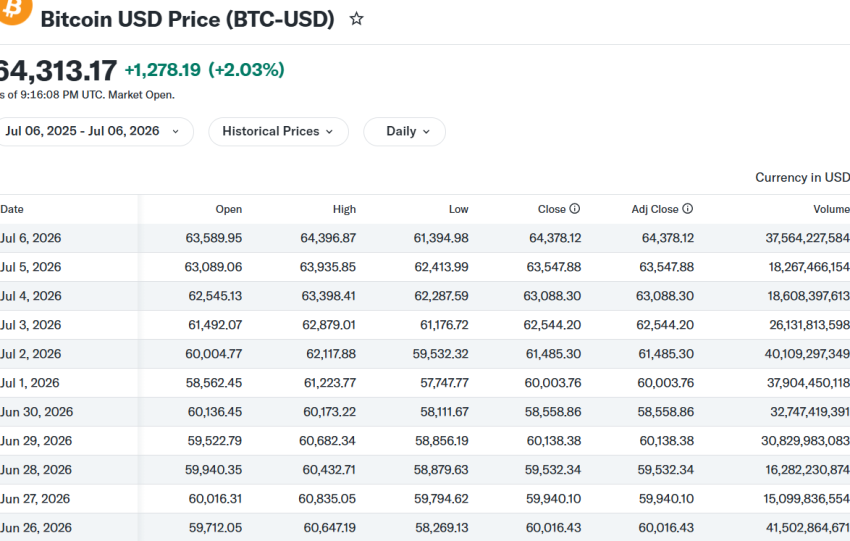
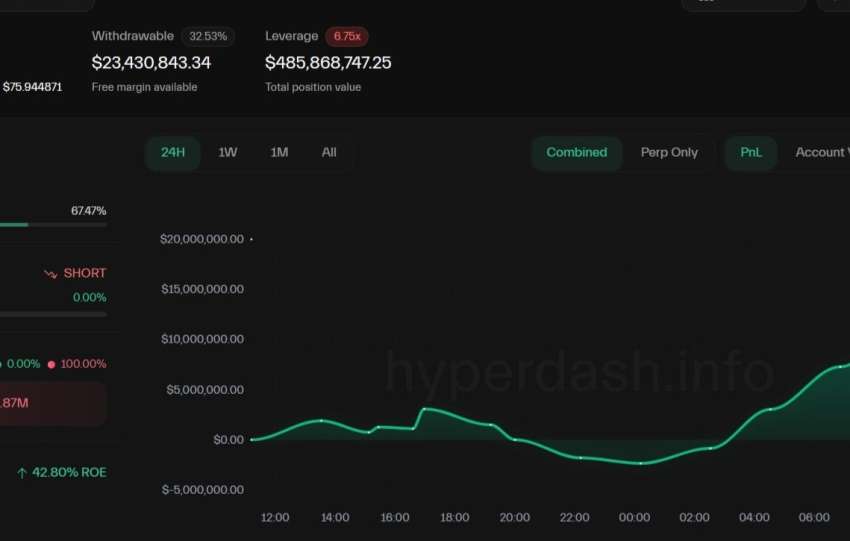
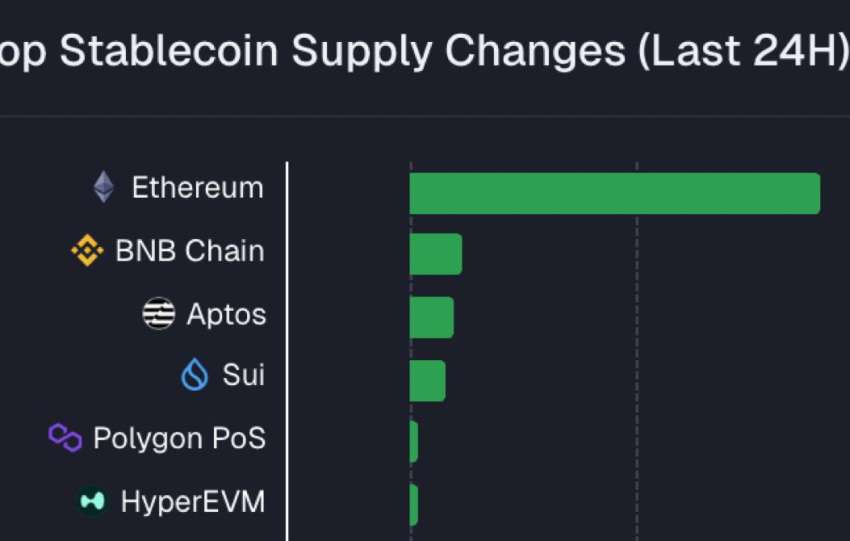
The macro regime as of September 2, 2026, shows a strong U.S. dollar (DXY at ~99.73-99.80) and rising 10-year U.S. Treasury yields (4.78-4.81%), pressuring risk assets. An oil supply shock (Brent ~$95.3, WTI ($4,290-4,325/oz) is declining due to real yields and dollar strength. A Hidden Markov Model (HMM) identifies the current regime as “Transition” (55% probability), not a full risk-on continuation (25%) or sustained risk-off (20%).
This follows a H1-2026 bear regime and an August transition to a local risk-on rally, which is now being tested by oil and rate shocks. Institutional flows via U.S. spot ETFs show structural demand: Bitcoin ETFs saw net inflows of ~$0.8-0.9 billion over the past week, though daily flows are two-way (e.g., +$216.7M on Aug 31, -$236.5M on Sep 1). The IBIT ETF is the marginal buyer/seller, with some unrealized losses increasing sensitivity to shocks.
Ethereum, XRP, and Solana ETFs show smaller but resilient flows, with XRP’s AUM/market cap ratio at ~1.7%. The COT data for Bitcoin futures shows non-commercial longs decreasing, with no extreme speculative crowding in futures markets (though perpetual swaps show elevated open interest). No verifiable data exists on institutional block trades or CTA liquidation requirements. The options surface shows relatively calm implied volatility (ATM front at ~28.5%, 1-month at ~34-36%), with a mild contango term structure.
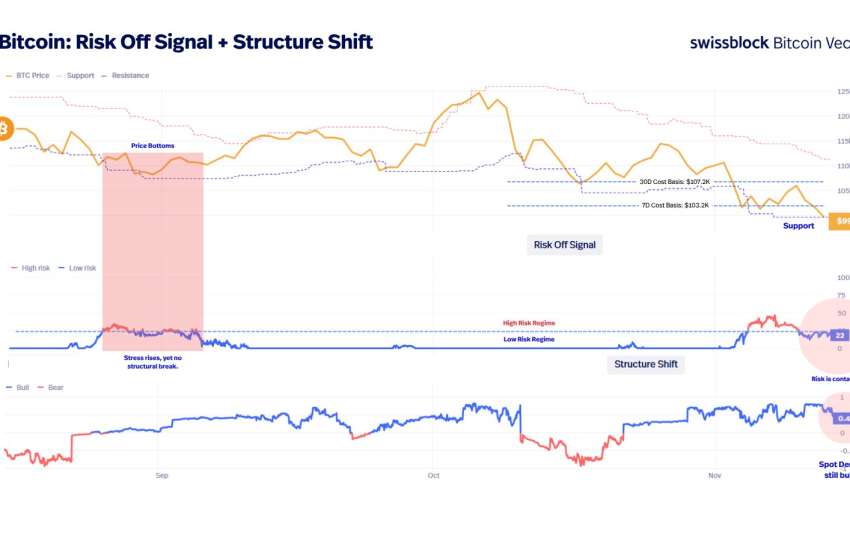
The recent oil shock didn’t trigger a crisis-level volatility spike. The volatility risk premium (VRP) is negative, suggesting the market underprices recent realized volatility. On-chain metrics indicate a mature Bitcoin cycle with a ~38-40% drawdown from its October 2025 ATH, supported by ETF and corporate treasury bids.
Ethereum faces challenges from L2 fee compression and a low staking yield (~2.2%) versus the risk-free rate. XRP’s price rally is driven by regulatory and ETF narratives, not organic usage. Solana remains a high-beta L1. Prediction markets (Polymarket/Kalshi) imply a short-term Bitcoin range of $70,000-82,000, with no consensus on a September crash or breakout above $100,000. A liquidity haircut of ~15% is applied to these probabilities.
Sources
1. J.P. Morgan Payments, ISO 20022 Migration Guidance (consulté le 22/08/2026)
2. CoinLaw, Stablecoin Market Cap Statistics 2026 (données DefiLlama au 21/06/2026)
3. Pluang, Swift ISO 20022 November 2026 deadline / Ripple readiness (20/06/2026)
4. Yellow Research, Tokenized RWAs +589% (Binance Research, 10/06/2026)
5. ValueAdd VC, Stablecoin Regulation 2026: GENIUS Act on a $314B Market (11/07/2026)
6. EU MiCA, Circle CASP licence AMF France, avril 2026 (registre ESMA, 02/08/2026)
7. DeFi-Intel, BlackRock BUIDL & 2026 RWA market state (rwa.xyz Q2 2026, 15/07/2026)
8. OasisPro, ISO 20022 Structured Address: 14 November 2026 Deadline (19/07/2026)
9. Ripple Insights, Ripple CASP authorisation, CSSF Luxembourg, juillet 2026 (05/08/2026)
10. Stobox, The State of RWA Tokenization, 2026 Mid-Year Report (10/07/2026)
11. Spoted Crypto, Stablecoin Regulation 2026: GENIUS Act, MiCA, Hong Kong (17/07/2026)
13. Ionova, November 2026: The ISO 20022 Deadline That Changes Everything (20/06/2026)
14. OasisPro Blog, Urgent 14 November 2026 ISO 20022 Deadline (18/07/2026)
15. ARM Management — MiCA Regulation 2026: CASP & the 1 July Deadline (01/06/2026)
16. ZiroMarket, Stablecoin market $323B all-time high 2026 (01/06/2026)
17. Scorechain, EU Stablecoin Regulation Under MiCA (11/05/2026)
18. BCE , Communiqué de presse : 36 PSP sélectionnés pour le pilote euro numérique (14/07/2026)
19. BCE, FAQ pilote euro numérique (14/07/2026)
20. IndexBox, ECB Official Outlines Digital Euro Progress (17/07/2026)
21. IndexBox, Crypto Market Analysis, 20 August 2026
22. Coherent Market Insights, AI Robots Market 2026 (26/05/2026)
23. The AI Insider, The State of Humanoid Robotics in 2026 (21/08/2026)
24. OpenPR, Humanoid Robotics Market 2026: Physical AI Moves to Factory Floors (13/08/2026)
25. OpenPR / DataM, US Humanoid & Embodied AI Robotics Market 2026 (15/07/2026)
26. BriMind, Best Robotics Stocks 2026 (14/06/2026)
27. CryptoDEGX, Bitcoin & Ethereum ETF Flows, week ending 07/08/2026 (09/08/2026)