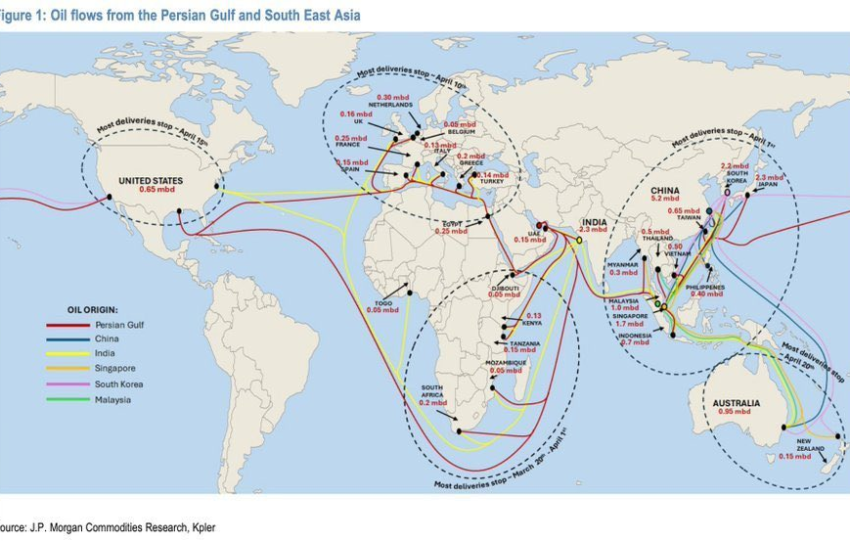
The macro regime as of September 2, 2026, shows a strong U.S. dollar (DXY at ~99.73-99.80) and rising 10-year U.S. Treasury yields (4.78-4.81%), pressuring risk assets. An oil supply shock (Brent ~$95.3, WTI ($4,290-4,325/oz) is declining due to real yields and dollar strength. A Hidden Markov Model (HMM) identifies the current regime as "Transition"…
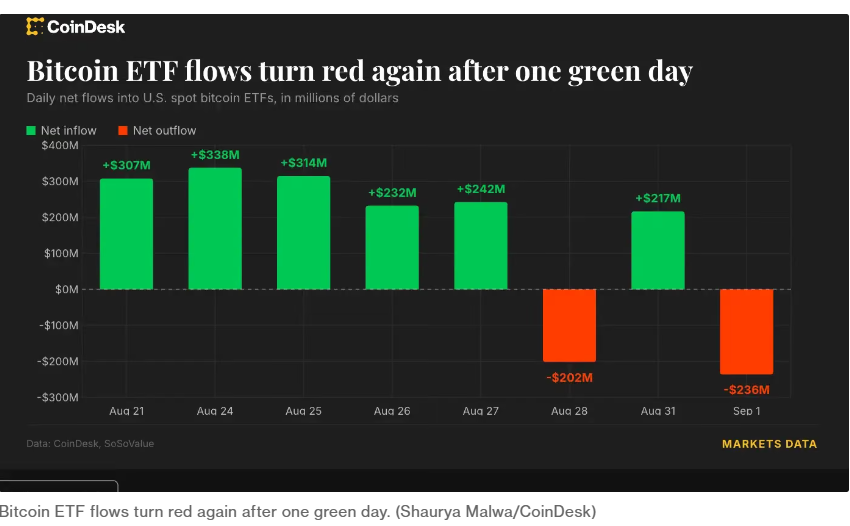
Bitcoin rallied 6% in the week of August 19, triggered by a yields at their highest since 2007, seen as a fiscal easing signal. CoinShares' James Butterfill noted the rally was driven by macroeconomic factors, not crypto-specific dynamics. T. Rowe Price identified the "debasement trade" as the key driver, where investors shift from cash and…
The Quantum-Classical Hybrid Optimization framework for after-tax portfolio allocation under regime constraints integrates quantum variational algorithms (e.g., QAOA, VQE, Hybrid HHL++) with classical solvers (convex optimization, MPC) to solve high-dimensional, non-convex problems involving tax-aware objectives, Markov-switching regimes (market, volatility, regulatory/tax), counterparty/basis risks, and fiscal uncertainty in synthetic carbon credit tokens. This hybrid approach addresses the…
Multi-engine analysis suggests that the closure of the Strait of Hormuz, leading to a supply shock of 20 Mb/d (20% of world consumption), has established a regime of "structural energy constraint." This regime is characterized by a high conditional probability of activating restrictive measures on mobility ("energy lockdown"), estimated at 81.3% for 03/31/26, according to…
ESG Data Services
Analyse de marché