Skip to content Skip to sidebar Skip to footer

Tag: oil

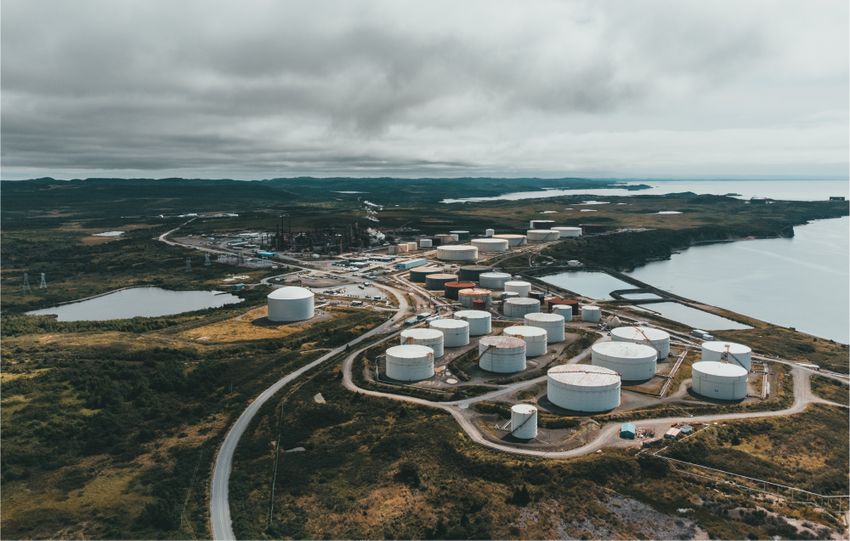
Aerial landscape shot of a coastal oil refinery with storage silos under cloudy skies.

BIS/WEF Context on Transition Risks Compressing Long-Term Refining Margins: Carbon Tracker-Style Analysis and Quantitative Projections for TotalEnergies

Executive Summary Transition risks under 2°C pathways (IEA NZE/APS equivalents) drive structural demand destruction for refined products, compressing refining margins via volume contraction, utilization drops, and policy/carbon cost overlays. Carbon Tracker’s foundational 2017 “Margin Call” analysis projected >50% EBITDA decline by 2035 for ~94% of global capacity under a 2D scenario (oil demand -23%…

Read more

SpaceX Dragon spacecraft in orbit, highlighting advanced space technology with cloud backdrop.

Liquidity Trap Scenario : Gold < $4,150, Oil ~$88 Stabilization – Integration with SpaceX IPO Retail Influx and Systemic Market Crash Risks

Executive Summary The posited Liquidity Trap manifests as a regime where elevated nominal asset prices (gold near recent highs, equities at stretched valuations) coincide with forced liquidations driven by margin calls, collateral constraints, and retail FOMO entry, without corresponding real-economy liquidity expansion. Under conditions of gold stabilizing below $4,150/oz and WTI/Brent oil around $88/bbl (current…

Read more

Oil Reserves Plummet: JPMorgan Warns of Looming Economic Shock as Global Buffer Vanishes

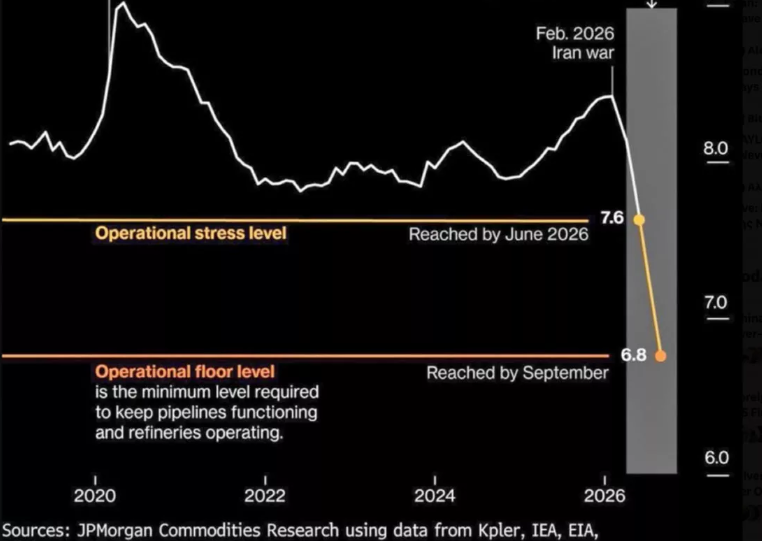
Oil reserves are rapidly depleting, eroding the world's crucial buffer against supply shocks. A concerning JP Morgan chart, discussed by David Russell of GoldCore and featured in Bloomberg, illustrates the drastic decline in total discovered oil reserves, measured in billions of barrels. These reserves initially built up during the COVID-19 pandemic when demand plummeted,…

Read more

Ray Dalio Ups Gold Allocation Forecast Amid Dollar Devaluation and Global Crisis Fears

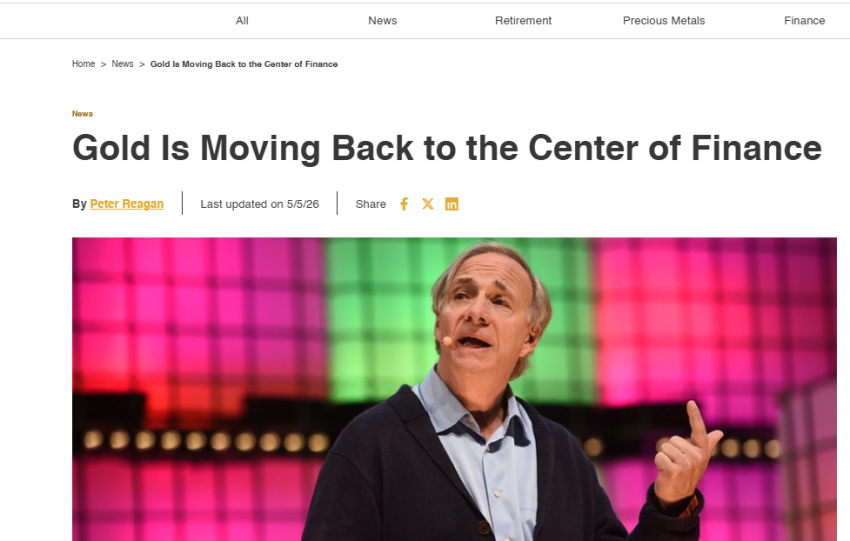
Gold Is Moving Back to the Center of Finance By Peter Reagan Gold is reasserting itself in finance, moving from an "alternative asset" category to a core holding, driven by recent economic instability. Historically, institutional investors focused mainly on corporate profits and debt, viewing gold skeptically. However, the pandemic-era lockdowns, subsequent inflation, and the significant…

Read more

The convergence of physical, behavioral, and microstructural signals confirms that Europe, and particularly France, has entered a regime of asynchronous systemic energy shortage

The convergence of physical, behavioral, and microstructural signals confirms that Europe, and particularly France, has entered a regime of asynchronous systemic energy shortage. The three pillars of the breakdown: (a) Physical Pillar. The Strait of Hormuz has been practically blocked since February 28, 2026: more than 20% of global oil traffic and 25% of…

Read more

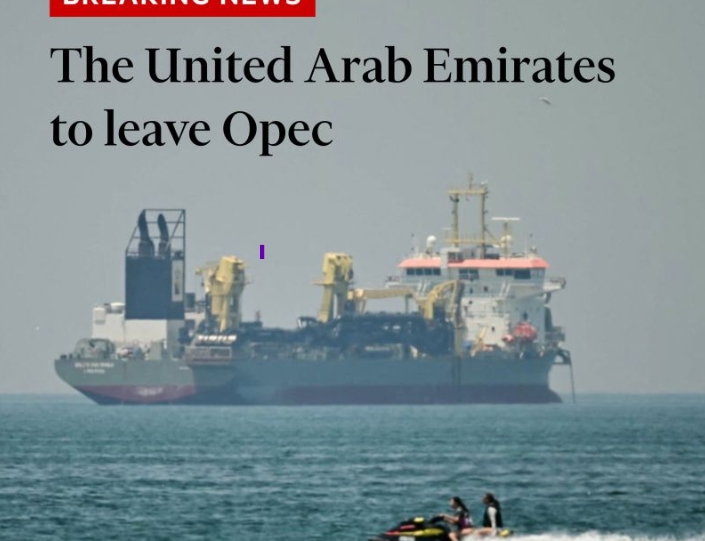
Cartel collapse and depressive supply shock. The withdrawal of Saudi Arabia and the UAE of OPEC/OPEC+

The simultaneous withdrawal declaration of Saudi Arabia and the United Arab Emirates from OPEC and OPEC+ (April 28-29, 2026) constitutes the most severe institutional rupture in the oil market since 1985-1986. This study demonstrates that this exit is not a purely bearish signal but rather the prelude to a two-speed structural dislocation: …

Read more

Premium Shockwave: War-Risk Hikes Trigger Global Food and Fuel Shortages

Catherine Austin Fitts, in an interview clip, asserts that Lloyd's of London insurance decisions by the City of London effectively shut down shipping through the Strait of Hormuz, creating global energy shortages and famine conditions rather than direct Iranian blockade. Amid March 2026 Iran conflict escalation, Lloyd's dramatically hiked war-risk premiums for Gulf tankers, causing…

Read more

Analyse technique de l’optimisation fiscale de TotalEnergies via sa filiale de trading à Genève. Application des principes de pleine concurrence (arm’s length principle)

Notre analyse multi-modèles appliquée aux données publiques confirme que TotalEnergies utilise une architecture complexe d’optimisation fiscale via sa filiale de trading à Genève. La catégorie "reste du monde" dans ses rapports fiscaux agit comme une variable proxy pour des juridictions à fiscalité réduite, principalement la Suisse. Les travaux empiriques de l’Institut de Genève ont démontré…

Read more