Thesis. 2026 marks the global doctrinal shift. Private-regulated dollar (GENIUS Act), public-regulated euro (ECB), public-interest-bearing yuan (PBOC). Stablecoins become a treasury instrument; CBDCs become a sovereignty instrument.
Key Data. Stablecoin market: ~$290–321B (USDT ~$184–190B; USDC ~$73B). MiCA: fully applicable since 30/12/2024, transition period ends 01/07/2026; approximately twenty licensed EMTs (USDC, USDG, EURC, EURCV, EURI, EURAU, EURR…); USDT unauthorized, withdrawn from EEA retail venues (Revolut until 31/08/2026). Euro stablecoins: ~€674M aggregate, +128% year-on-year; banking consortium Qivalis (BBVA, BNP Paribas, ING, UniCredit — 12 banks) targeting launch in H2 2026; EUR.BANK (9 Italian banks, pilot July 2026). China: cumulative e-CNY transactions >¥16,700B ($2,300B), interest-bearing balances since 01/01/2026. ECB: go/no-go decision expected end of 2026, cap of ~€3,000 under discussion; digital pound in design phase (cap of £10–20K). Asia: ~60% of global stablecoin payment volume.
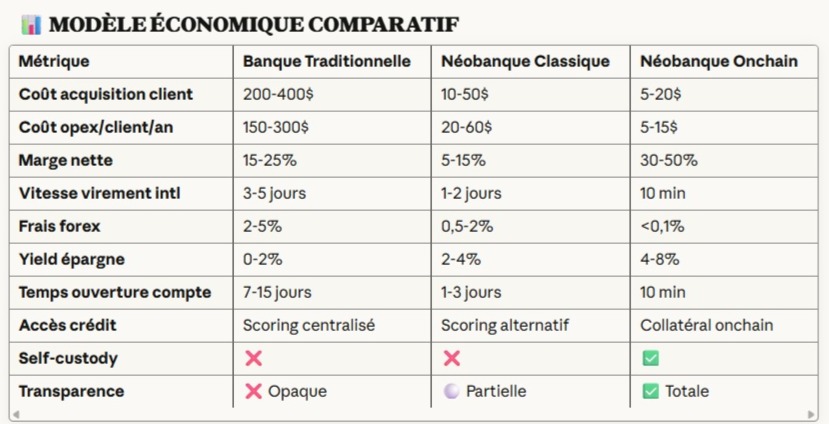
Analysis. The marginal demand is no longer speculative but transactional. Cross-border settlement in minutes, including weekends, corporate cards backed by stablecoins enabling transactions in under 2 seconds. The critical macro variable is deposit substitution: the remuneration of e-CNY reconciles CBDC and bank balance sheets (the “digital deposit” model), while Europe chooses non-remuneration and caps to protect bank credit, two opposite responses to the same risk of disintermediation.
Cross-border deployment (mBridge: China–Hong Kong–UAE–Thailand–Saudi Arabia; Agora: 7 central banks + tokenized deposits) foreshadows competing settlement zones, with implications for sanctions enforcement and the sharing of dollar seigniorage. Investment implications. Long: stablecoin treasury and settlement infrastructure (licensed issuers, orchestrators, custody); monetization of reserve quality dispersion (dynamic rating = sellable data). Beware of regulatory exchange risk: caps on non-euro stablecoin usage in the EU (protection of monetary sovereignty).
Risks. Non-convergence of regimes (same principles, non-interoperable rules); European AML package applicable July 2027 (AMLA); idiosyncratic reserve risk despite licenses.