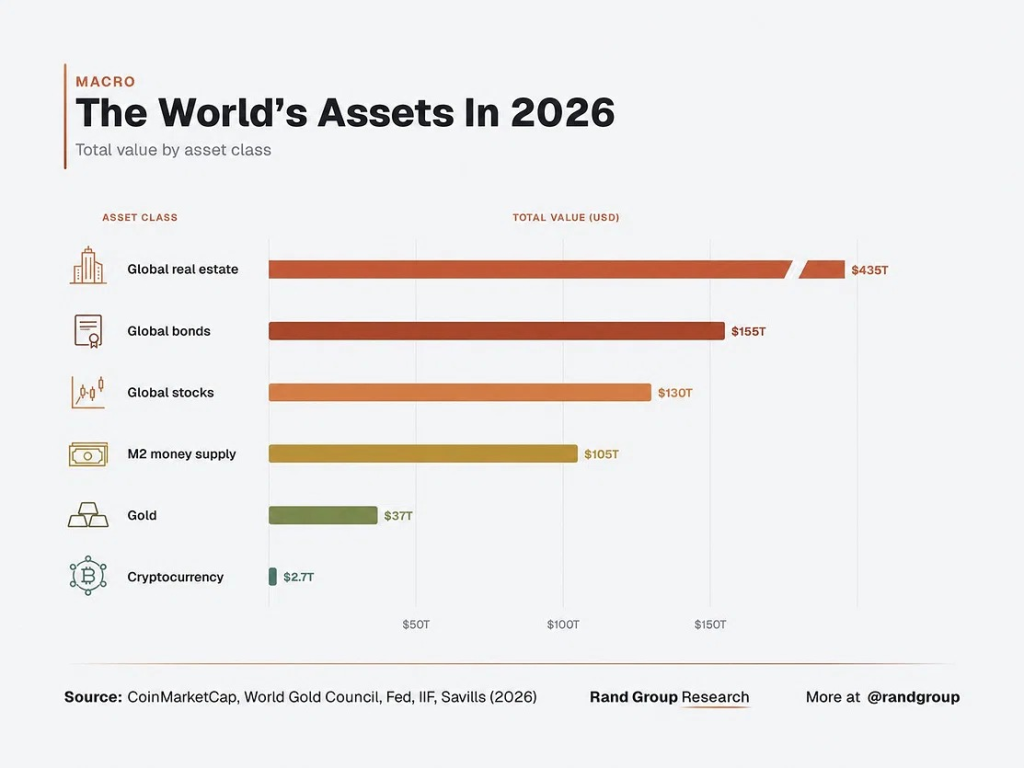
Global real estate remains the dominant asset class, valued at approximately $393-448 trillion (Savills, 2026 estimates), about 3.3 times the global equity market capitalization and 2.8 times that of bonds. In this context, institutional capital is structurally shifting toward rental income streams (SFR/BTR). The institutional share of the US Single-Family Rental market remains low (2.0-3.1% of stock), leaving significant expansion potential. In Europe, particularly France, the “rent gap” (Christophers) is widening under dual pressure from housing shortages and forced regulatory discounts (DPE F/G: -16% to -22%). Formally, the rent gap at time t is written as: RG_t = E[V_capitalized rents, t] – P_transaction, t. When RG_t widens (prices under DPE/credit pressure + sustained rents), arbitrage becomes positively asymmetric. This is exactly the regime detected (Markov-switching): transition from Distress to Decommoditization.
Institutional Shift
1.1 Blackstone UK Build-to-Rent
Blackstone (via Leaf Living & Regis) has committed approximately £1.4 billion for over 4,500 homes since late 2023/2024 (Vistry deals). The platform remains active in 2026, with subsequent partial disposals that do not negate the initial acquisition volume.
1.2 Blackstone US Single-Family Rental
Acquisition of Tricon Residential (2024, $3.5 billion). Combined portfolio (Tricon & Home Partners of America) of several tens of thousands of SFR homes. Active BTR development (significant pipeline).
1.3 Institutional Share of US
SFR Range of 2.0–3.1% of the single-family rental stock nationally (GAO, Parcl Labs, Invitation Homes filings, John Burns). Local concentration much higher (15-25% in certain Sun Belt metros). The thesis is not saturated; it is in an institutionalization phase.
1.4 France Data. The Operational “Rent Gap”
FPI France (Q1 2026)
Block sales: -35% New home launches: -19.2% Overall reservations: approximately -14% Energy-inefficient homes / EPC: consistent estimates (several million homes affected; ~850,000 impacted by recent recalculations). Documented discounts of around -16% to -25% for classes F/G. These figures create a structural rent gap (Christophers): developers pulling back, depreciated energy-inefficient stock, shortage of quality rental housing → opportunity for patient institutional capital.
The quantitative framework identifies 2026-2028 as a key window for institutional investment in single-family rental (SFR) or built-to-rent (BTR) assets, based on a stable cash-flow and inflation-hedging return model with low equity correlation: Total Return = Cap Rate + Rental Growth − Operating Expenses − Capital Expenditures + Appreciation. Key return drivers include compressible cap rates from rising capital inflows, structural rental growth due to housing shortages and unaffordable homeownership, and scale-driven operating efficiencies (Blackstone/Invitation model). A Markov-switching regime indicates a 65-75% probability of sustained “Institutional Penetration” across Europe and the US Sun Belt during that period. Relative valuation signals under-allocation: global real estate vs. equities stands at ~3.3x, and historical phases of low institutional weight in rental housing have produced excess returns over 5–7 years. This suggests the period offers favorable risk-adjusted entry.
Global real estate remains the dominant ocean of liquidity. The institutional shift towards SFR/BTR is underway, still relatively unsaturated (especially in Europe), and France offers a discount fuel through the DPE and the withdrawal of developers. This is a strategic allocation of the “private credit / real assets” type with positive long-term convexity, provided it stays strictly focused on yield structures (rental cash flows) rather than pure appreciation.