Skip to content Skip to sidebar Skip to footer

Tag: neo-quantitative war financing equation

Wooden letter tiles form the word 'blockchain' arranged on a rustic wood background.

RWA & Tokenization: measuring quality, not size Thesis

The RWA market has entered an industrialization phase; the discriminating factor for allocation is no longer TVL but the structural quality of flows (liquidity, compliance, yield distribution). Key data (mid-2026). On-chain distributed value: ~$31–36 billion (+380% from 2022); “represented” value: ~$340–369 billion; stablecoins (settlement layer, counted separately): ~$290–321 billion; RWA holders: ~790,000; tokenized Treasuries: ~$15.1…

Read more

Detailed view of gold bitcoin in dark soil symbolizing cryptocurrency mining.

From speculative token to yield instrument: the income paradigm in tokenized assets (2026–2035)

For a decade, the value of a digital asset depended on the promise of a higher resale price. The tokenization of real-world assets (RWA) reverses this logic: value is now read in cash flows, rents, coupons, interest—generated by the underlying asset and distributed automatically. Analysis of a paradigm shift that brings crypto closer to private…

Read more

Dynamic urban scene showcasing interconnected light trails representing digital communication networks.

Agentic AI, robotics, biotech (MANBRIC) & smart cities: capital shifts from software to physical.

Thesis. The 2026 AI cycle shifts from conversational models to "digital workers" (agents) and physical AI (robots, driving, inspection); value migrates from the model layer to operational integration and automated real assets, converging directly with smart cities and tokenizable infrastructure. Key Data. ~71% of companies are expected to integrate AI agents into key functions…

Read more

Black and white image highlighting a 20 euro bill in a cash register, capturing financial concepts.

MiCA × ISO 20022: The Dual Plumbing Reshaping European Finance

Thesis. Two "invisible" projects converge in 2026: the completion of the licensed perimeter under MiCA (crypto) and the ISO 20022 mandate for structured addresses (payments). Together, they shape the compliance-execution layer of European programmable finance. Key data. MiCA: ART/EMT applicable since 30/06/2024; CASP since 30/12/2024; end of grandfathering on 01/07/2026 (some states earlier: Germany/Ireland…

Read more

A vibrant abstract image featuring dynamic colors and intricate patterns, perfect for modern art enthusiasts.

How Circular Financing in AI Creates Hidden Risks Beneath a Boom

Circular financing in the AI sector refers to a tightly interlinked system of equity investments, compute commitments, guarantees, and off-balance-sheet structures among chipmakers, hyperscalers, AI labs, and data-center operators. Money and obligations circulate among a small group of counterparties, accelerating infrastructure buildout while amplifying downside risks if end-user monetization falls short. How It Works.…

Read more

Crypto Short Squeeze

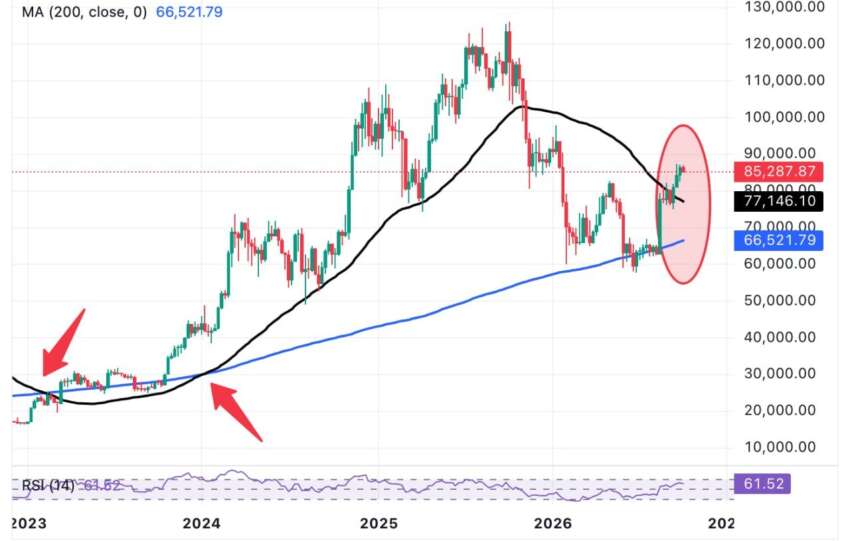
Bitcoin surged to $76,800-$77,600, gaining 6-8% in 24 hours and 20% for the week. The market saw over $4 billion in 24-hour liquidations, marking the most violent short squeeze of 2026. Combined BTC/ETH ETF inflows exceeded $800 million, indicating massive institutional entries. The funding rate shifted from negative to positive, signaling a return of long…

Read more

Colorful display of Zcash, Litecoin, and Bitcoin coins on gradient background.

Stablecoins: $315 billion in circulation, zero dynamic reserve ratings. Why this must change

Price is the last indicator to move The stablecoin market has reached a new milestone: over $315 billion in total market capitalization, serving as the backbone of on-chain settlements, with adoption now extending far beyond the crypto ecosystem alone cross-border payments, corporate treasuries, and collateral for tokenized finance. Yet a massive, under-discussed anomaly persists:…

Read more

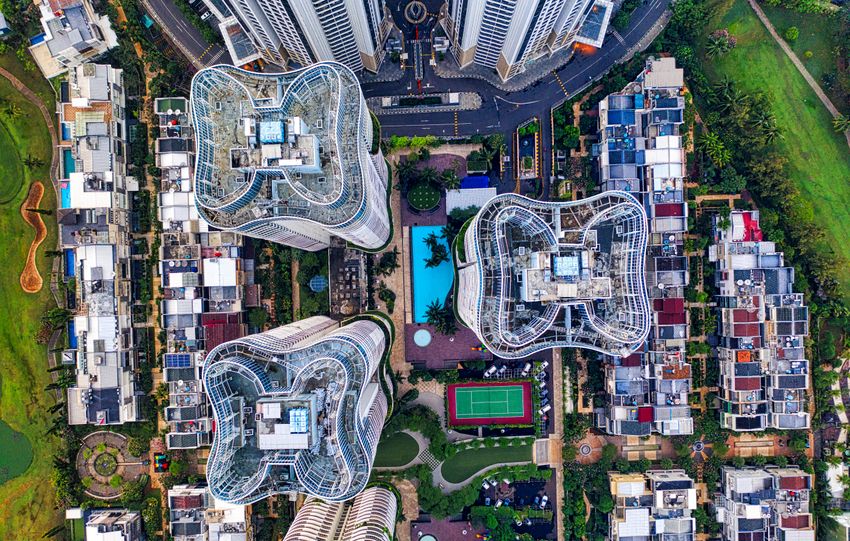
Beautiful view of the Jakarta skyline featuring modern skyscrapers and urban landscape.

Global Real Estate as an Ocean of Liquidity & the Institutional Shift SFR / BTR

Global real estate remains the dominant asset class, valued at approximately $393-448 trillion (Savills, 2026 estimates), about 3.3 times the global equity market capitalization and 2.8 times that of bonds. In this context, institutional capital is structurally shifting toward rental income streams (SFR/BTR). The institutional share of the US Single-Family Rental market remains low (2.0-3.1%…

Read more