
 Analyse de marché
Thesis. Raw materials are regaining a core portfolio role (hedging a multipolar world and AI electrification), while European ESG shifts from an obligation-based regime to a market-driven one, less reporting, more pricing.
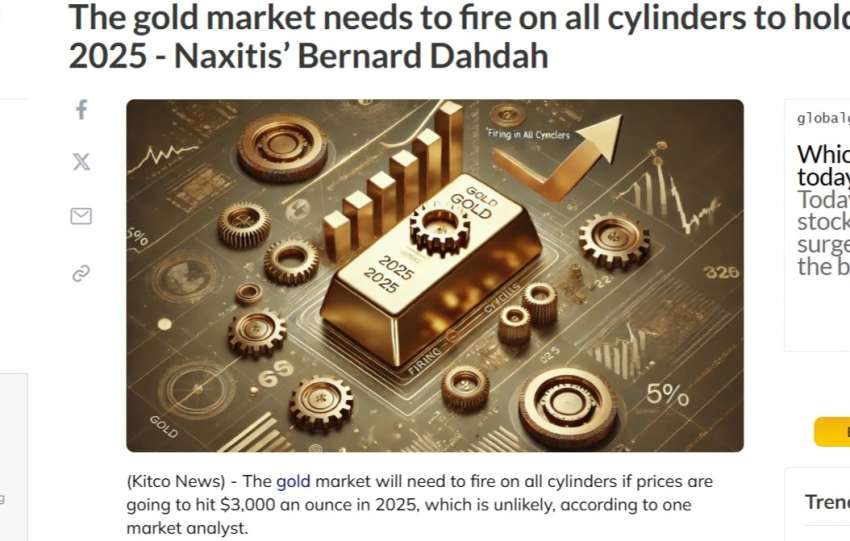
Key Data. January 2026 records: gold ~$5,405/oz (2025 annual average: $3,431, +44%), silver >$121/oz, LME copper $13,238/t. Citi scenarios (Q3 2026): Brent toward the lower end of the $70 range (Iran détente, Hormuz normalization), aluminum deficit of ~2 Mt (target $4,000/t), copper toward $15,000/t in 12 months (energy transition + AI demand, stagnant mining supply), gold maintained at $5,000, cocoa at $6,000/t (El Niño).
ESG: EU Omnibus package in effect since 03/18/2026, CSRD tightened (>1,000 employees AND >€450M revenue: ~50,000 → ~5,000 companies affected, –90%), ESRS simplified (–61% data points), but Taxonomy technical criteria for real estate unchanged and market pressure maintained (SFDR, EBA-ESG guidelines, EPBD). Voluntary carbon market: ~$2B today, trajectory toward ~$100B in 2030, without a reference on-chain quality index, a gap precisely targeted by a CCQI-type index.
Analysis. The “higher-for-longer 2.0” macro regime (markets pricing a Fed hike by September 2026, up to three BoE hikes toward 4.50%, 2-year gilts >4.5%) rewards real assets with yield or scarcity: gold holds its structural floor (central bank purchases, geopolitical risk), copper and aluminum are physical proxies for electrification + AI with measurable deficits, energy trades as sell rallies. On the ESG side, Omnibus removes the obligation for mid-caps but retains the price: banks (Pillar 3, GAR) and investors continue demanding the data, demand becomes commercial, not regulatory. This is the best scenario for ESG/carbon data providers: a voluntary market pays better than a constrained one. Investment Implications.
Core: gold + copper/aluminum (structural); sell rallies on oil; selective agriculture (long cocoa, short coffee). ESG: invest in carbon and taxonomy measurement/scoring layers (data, on-chain MRV, quality indices), the shift from compliance-driven to market-driven boosts the value of independent ratings.
Risks. Supply vs demand recession (copper: strong dollar and high rates weigh); geopolitical reversal on gold; intra-EU regulatory ESG fragmentation; heterogeneous quality of carbon credits (residual greenwashing risk).





Leave a comment
