Analyse de marché
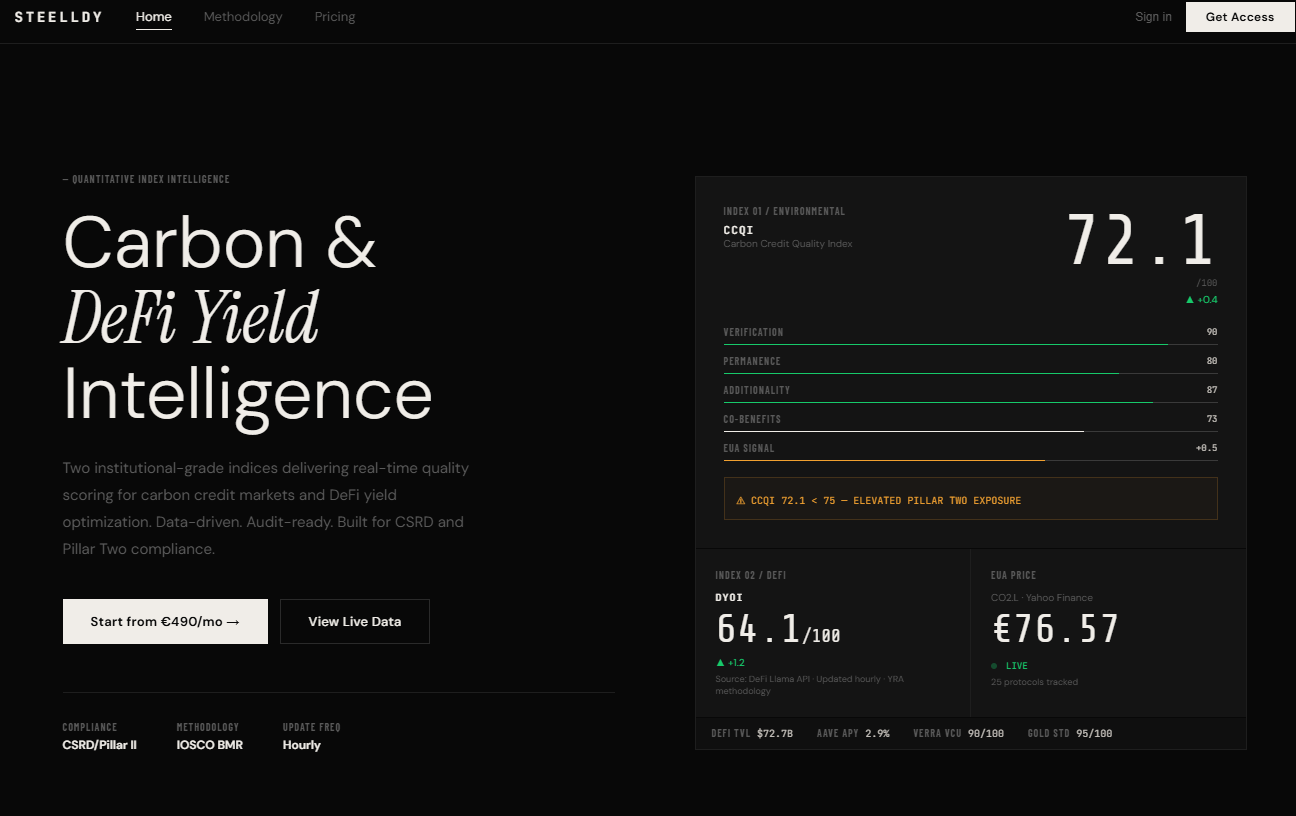
The Real Asset Shifting (RAS) module (www.steelldy-indices.com) focuses on tangible assets, notably cross-border real estate. However, intangible assets (patents, trademarks, software, know-how, databases, client lists) are historically the main channel for profit shifting in multinational groups. Unlike tangible assets, intangibles do not significantly benefit from the Substance-based Income Exclusion (SBIE), are highly sensitive to transfer pricing adjustments (royalty rates), and directly impact GloBE Income without substantial offset in top-up tax calculations. The extension Intangible Asset Shifting (IAS) Module enables PSI (Profit Shifting Index) to cover the entire profit shifting spectrum, from real to intangible assets.
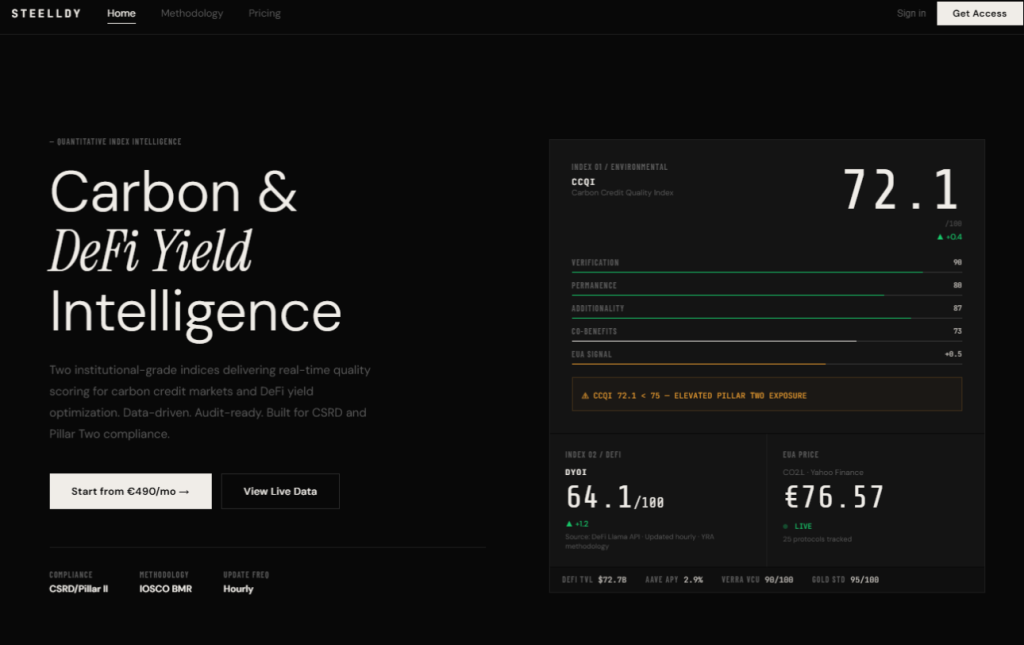
https://www.steelldy-indices.com
Conceptual framework of the IAS Module
The IAS Module uses the DEMPE analysis (Development, Enhancement, Maintenance, Protection, Exploitation) to identify risks from artificial localization of IP revenues. It measures the gap between applied royalty rates and arm’s length benchmarks, the impact of these gaps on the GloBE Effective Tax Rate, and the risk of top-up tax from locating intangibles in low-ETR jurisdictions.
Integration into the PSI formula
The IAS Score is integrated into the overall PSI formula as follows:
where: λ IAS is typically between 20% and 35% depending on the importance of intangible assets in the analyzed group. The IAS Score (0-100) is calculated using the following formula:
Methodology for analyzing intangible assets: mapping patents, trademarks, software, and data using databases like Espacenet and USPTO; automated DEMPE analysis via NLP and graph analysis; benchmarking royalty rates using CUP or TNMM; calculating GloBE impact by adjusting income per jurisdiction after TP adjustments; quantifying top-up tax risk (QDMTT and IIR) through Monte Carlo simulation.
A numerical example extends the G. case (France) to intangible assets.
Numerical example: Extension of the French case to intangible assets
The Swiss holding now owns not only commercial real estate but also patents and software used by the French SAS.
Reported annual royalties are 3.0 million euros (5% of revenue), while the arm’s length rate is estimated at 8%.
The recommended transfer pricing adjustment increases French income by 0.9 million euros.
Under GloBE rules in Switzerland, this reduces GloBE Income by 0.9 million euros.
No significant SBIE on IP greatly increases top-up tax risk, estimated at 0.18-0.25 million euros annually before mitigation. Combined with the real estate risk (RAS Score 38.7), the IAS Score reaches 62.4/100. The total enriched PSI is 51.8/100, up from 45.5 without the IAS module.