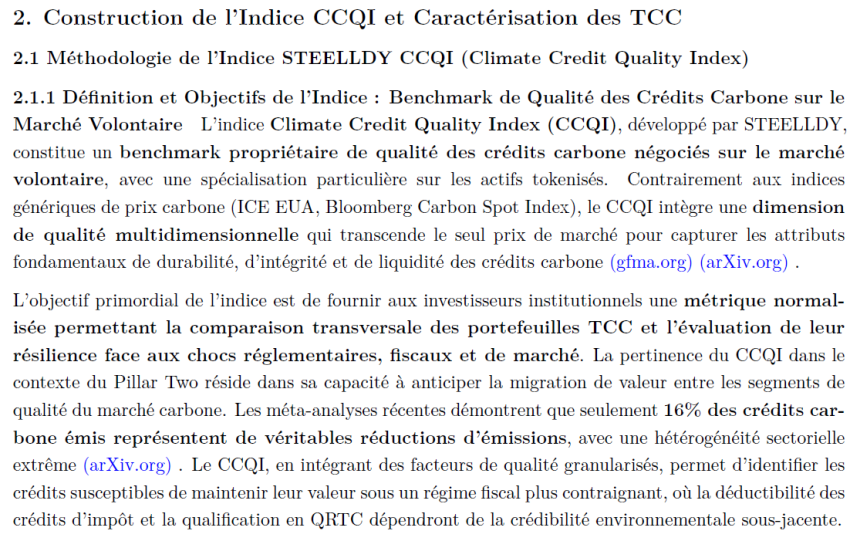
The impact of the Pillar Two international tax regime (OECD) on the valuation and structuring of tokenized carbon credit (TCC) investments, particularly in France.
(A) Structural effect of Pillar Two on the taxation of TCCs
¤ Pillar Two imposes a minimum effective rate of 15% on the profits of multinational corporations, neutralizing tax optimization…
The widespread implementation of OECD Pillar Two (GloBE rules) starting in fiscal year 2024-2025 fundamentally alters the economics of tokenized carbon credit investment. This analysis, based on quantitative modeling and international tax doctrine, demonstrates three key effects: Pillar Two erodes the tax value of tokenized carbon credits by neutralizing non-refundable tax credits and ESG incentives…
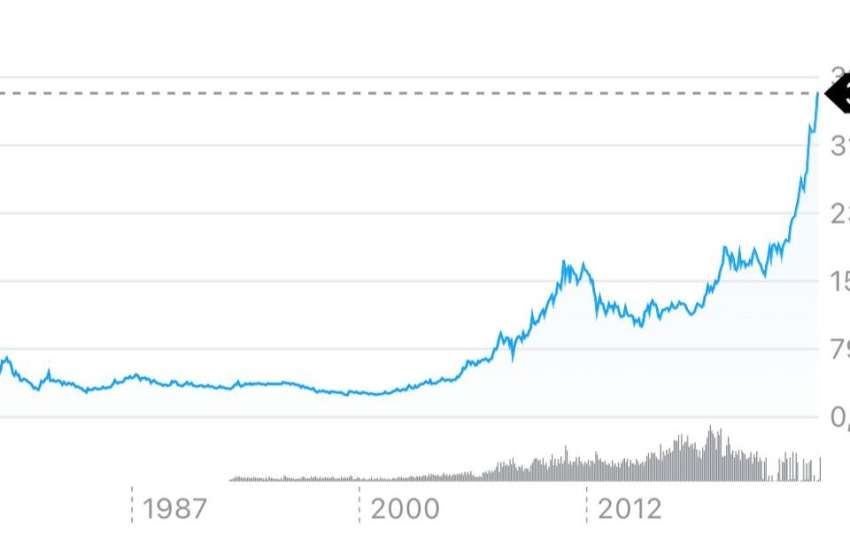
The current outperformance of gold (XAU) and mining stocks over the rest of the market (especially technology) is not a temporary anomaly. It results from the "double commoditization" of AI and software, which is destroying the monetization model of intellectual capital. As intelligence becomes a cheap and widely available commodity, the physical resources needed to…
[1] The note outlines a macro strategy linking (i) Gold, (ii) Bitcoin (BTC) and (iii) Capital Rotation.
[2] Gold at $3,700 shows a loss of confidence in fiat, prompting a flight to tangible assets (+7% real return on commodities).
[3] BTC is “decoupling” temporarily: market makers break the correlation, create volatility and liquidate…
Décarbonisation
Analyse de marché