 Analyse de marché
On June 19, Goldman Sachs analysts Lina Thomas and Daan Struyven lowered their year-end gold price forecast from $5,400 to $4,900. Specifically, Goldman Sachs no longer believes the Fed will cut rates in 2026, so the bank shifted its first expected rate cut to June 2027.
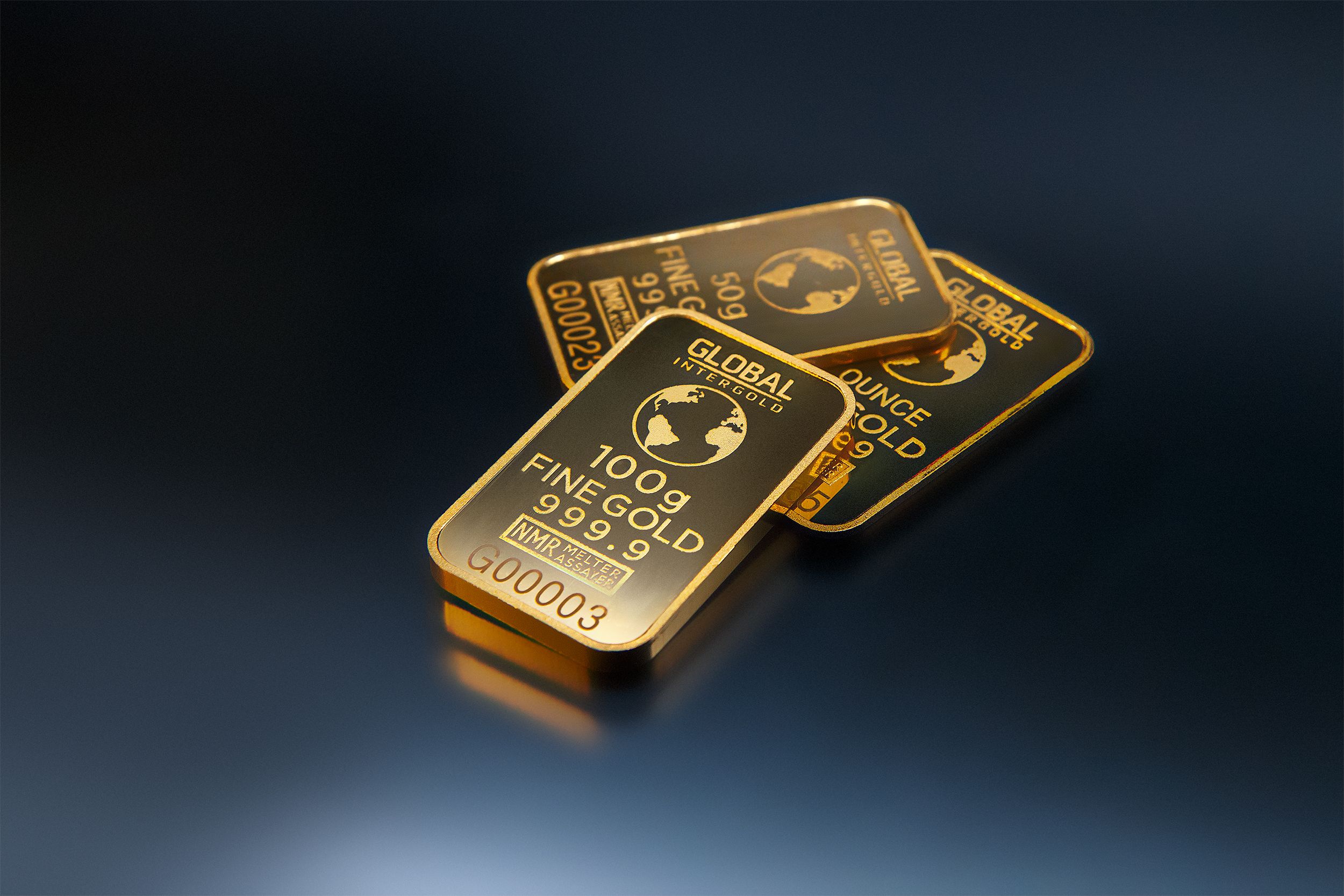
JPMorgan has not changed its position. Its year-end forecast remains at $6,000. Wells Fargo Investment Institute, which raised its forecast to $6,100–$6,300 in March 2026, also kept its estimate unchanged. Deutsche Bank still forecasts a price of $6,000. At the time of writing, gold was trading at $4,202 per ounce.
The gap between Goldman Sachs and Wells Fargo’s targets is $1,400. This disparity reveals how each bank views gold. Goldman Sachs’ model for gold prices depends on interest rates. According to the bank’s research, every 50 basis points of Fed easing adds about $120 per ounce to gold’s value. When Goldman economists predicted one rate cut in late 2026 and one in early 2027, the target was $5,400.
On June 17, Fed Chair Kevin Warsh held his first meeting and removed forward guidance. Nine of 18 policymakers foresee at least one rate hike in 2026. Economists then removed rate cuts from their forecast, costing $240 per ounce in the model. The rest of the decline is due to expected ETF flow reductions, resulting in a target of $4,900, or $4,400 in a rate hike scenario.
JPMorgan’s $6,000 target is based on quarterly demand volume: how much gold central banks, ETFs, and physical buyers purchase. This relationship explains about 70% of quarterly price swings. In Q1 2026, central banks bought 244 tons of gold, with China’s central bank adding 9.95 tons in May alone.
About 45% of surveyed central banks plan to increase reserves further. Wells Fargo cited structural factors: strong central bank demand, potential Fed rate cuts, and political uncertainty, maintaining that corrections are buying opportunities. The difference between Goldman Sachs ($4,900) and JPMorgan ($6,000) reflects two fundamental views on gold. Goldman views gold as a macro asset sensitive to interest rates, while JPMorgan and Wells Fargo see it as a reserve asset, accumulated by central banks to reduce dollar exposure.
These concepts are not contradictory, but investors must choose based on their own reasons for holding gold: expecting Fed rate cuts or believing in long-term dollar dominance decline.
The May PCE index release will impact gold prices, but central banks buying 244 tons quarterly do not wait for such data, highlighting the differing time horizons in these forecasts.