Analyse de marché
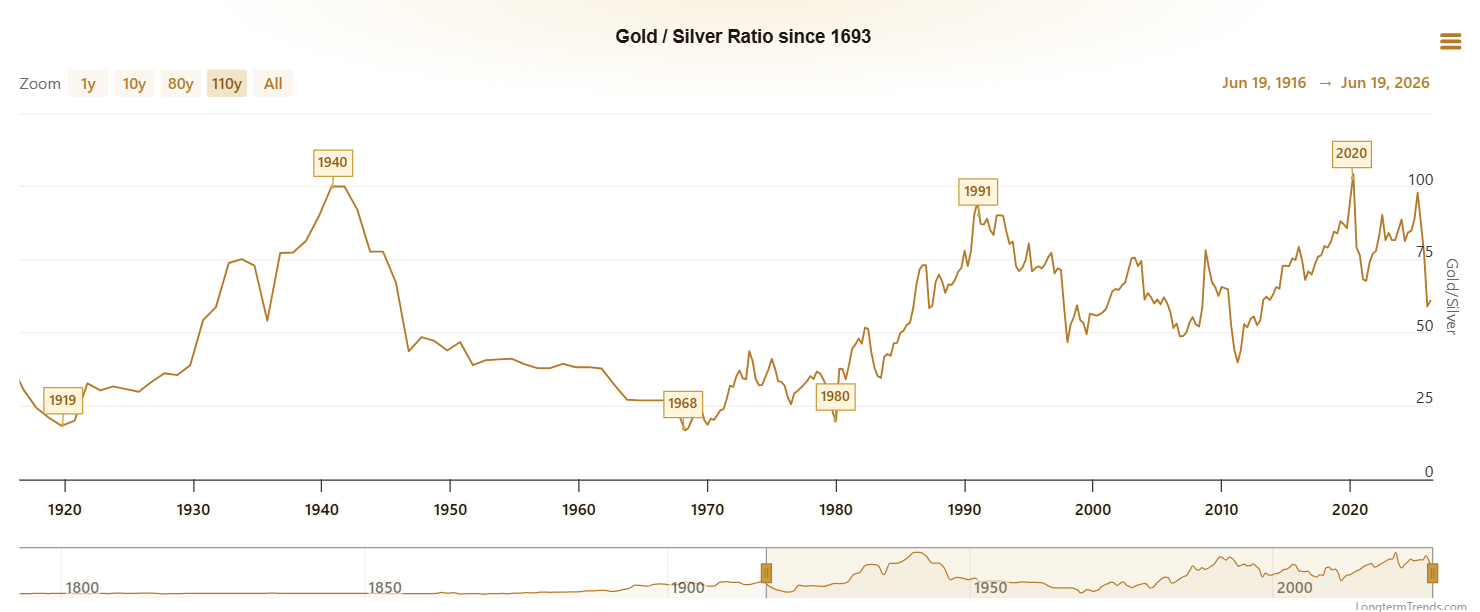
On the last day of June, gold traded at $4,023 per ounce. Oversea-Chinese Banking Corporation (OCBC), a major Southeast Asian bank, lowered its year-end gold forecast from $5,100 to $4,360, citing rising real yields, a stronger U.S. dollar, and a more hawkish Federal Reserve policy.
https://www.steelldy-indices.com
The bank also reduced its silver forecast by about 25% to $67. These factors push bank models downward when military conflicts fuel inflation rather than fear.
In January, OCBC had predicted gold at $5,600. OCBC clarified that the fundamental picture for gold hasn’t changed, central banks continue buying, silver supply deficits persist, and long-term outlooks remain positive. The revision reflects changed short-term conditions that no longer support the old forecast.
The bank’s January 2026 forecast assumed the Fed would continue cutting rates, the dollar would weaken, and investor demand would stay high—all of which didn’t materialize.
The U.S.-Iran conflict starting February 28 raised oil prices, triggering inflation that forced the Fed to halt monetary easing.
According to CME FedWatch, the probability of a rate hike by September exceeds two-thirds. This boosted real yields on Treasury bonds, creating direct competition for gold, which offers no yield. OCBC’s new target of $4,360 is significantly lower than other institutional forecasts.
Goldman Sachs still sees gold at $4,900 by year-end, JPMorgan forecasts around $6,000, and Morgan Stanley predicts $5,200. None abandoned their structural bullish outlook. Goldman analysts noted that central bank gold purchases, accelerated after Russia’s reserves were frozen in 2022, are structural and policy-driven, independent of Fed rate adjustments.
These views don’t contradict each other—they describe different time horizons. OCBC’s revision concerns the “paper” market, how ETF flows, futures positions, and institutional investments may shift through December.
Physical gold remains unaffected. The pressure from real yields that led OCBC to lower its target also reduces cash purchasing power on bank accounts when inflation outpaces savings rates. For metal holders, this isn’t a risk but the very reason they hold gold. OCBC changed its model; the monetary outlook hasn’t changed, and neither have your gold holdings.