Skip to content Skip to sidebar Skip to footer

Tag: Inflation

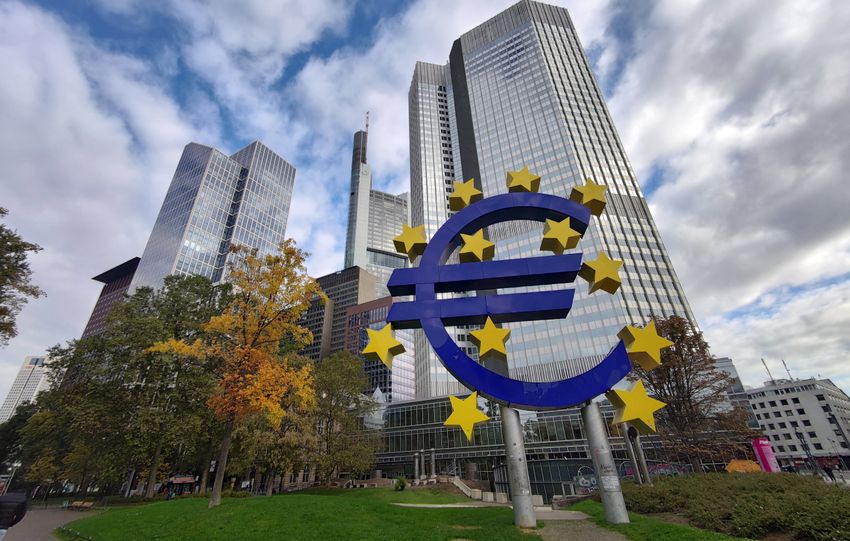
Iconic Euro sculpture with modern skyscrapers in Frankfurt, Germany showcasing the financial district.

Continued rate hikes. ECB towards 3.75%. Fed towards 5.75% by end of 2026

These projections come from a complete hybrid Monte Carlo simulation (incorporating coupled stochastic processes, embedded HMM regime-switching, an affine term structure for rates, and Poisson jumps for geopolitical shocks), calibrated on Steelldy Risk Engine 12.4 data (backtests 1971-2026), ECB staff projections from June 2026, and current macro flows (Bund 10Y ≈ 2.86-2.90%, ECB deposit rate…
Read more

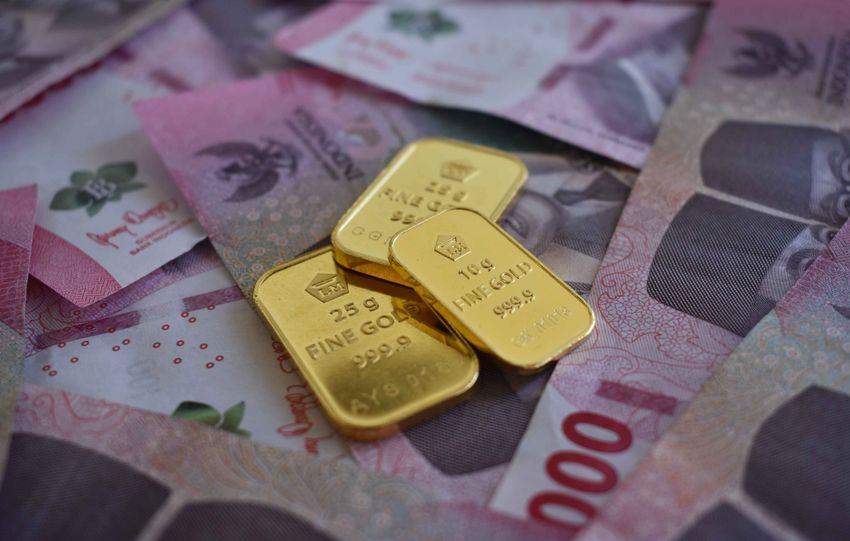
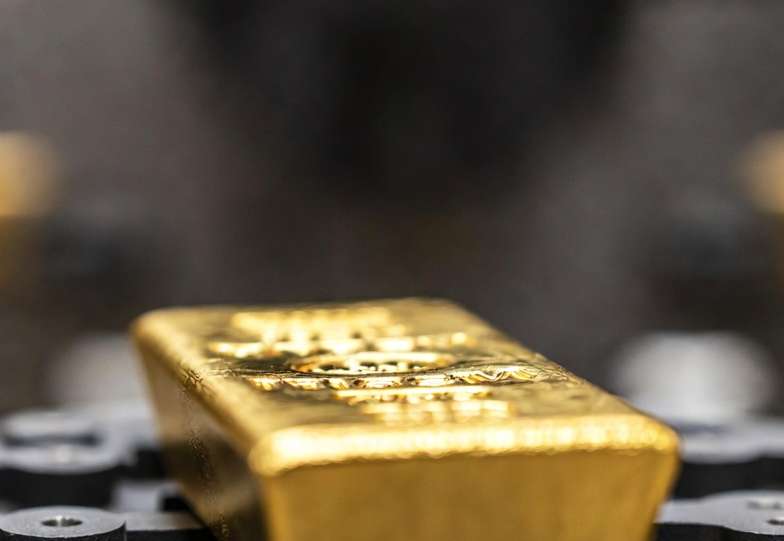
Close-up of gold bars on Thai baht banknotes, symbolizing wealth and prosperity.

Gold vs. Bonds: As Central Banks Hike Rates, Investors Ditch the Yellow Metal for Yield

Gold is currently weakening despite inflation, due to several key factors. In May, Germany’s inflation rate was surprisingly moderate at 2.6% annually, significantly lower than the eurozone’s 3.2%. This deviation from the European trend was primarily driven by a temporary fuel subsidy introduced by the German government, which reduced gasoline and diesel prices. However, this…

Read more

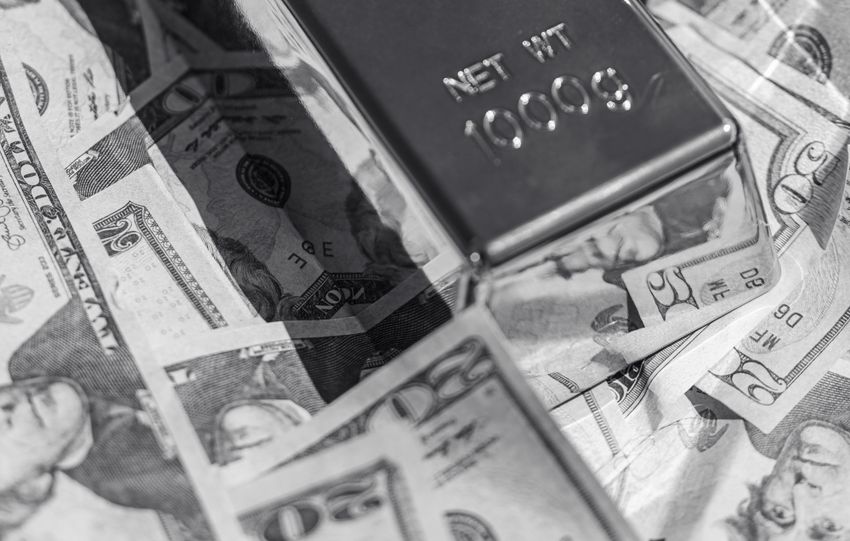
Black and white image of gold bars placed on scattered US dollar bills, symbolizing wealth.

Beyond the Bullion: Quantifying Gold’s Future Value in a Debt-Ridden World

The technical analysis posits a bullish outlook for gold, targeting $17,250/oz, underpinned by structural US fiscal dominance, accelerated de-dollarization, and a monetary re-evaluation of gold as an alternative reserve asset. As of June 13, 2026, US gross public debt stands at approximately $39.2 trillion, with debt held by the public at around $31.6 trillion,…

Read more

Industrial plant with reflection in water at twilight, showing smoke stacks and lights.

Refinery Activity and Supply Chain Integrity

Executive Summary Satellite signatures combined with AIS vessel tracking and OSINT currently indicate elevated refinery activity in US/Europe amid global disruptions, but severe anomalies in Middle East tanker flows through the Strait of Hormuz. As of mid-June 2026, Hormuz transits are near-historic lows (often <10 vessels/day, down 70-97% from baseline), with widespread "dark" operations…

Read more

Two gold bars rest on a pile of US dollar bills, symbolizing wealth and prosperity.

Inflation Surge Crushes Gold & Silver Amidst Geopolitical Turbulence

Gold prices have plummeted, trading near $4,078.00, down 4.26%, and silver near $63.605, down 2.66%, following Wednesday's trading close. This decline is attributed to a higher-than-expected May inflation report, rising Treasury yields, and escalating US-Iran tensions, which have overshadowed demand for safe-haven assets. US consumer prices rose 0.5% in May and 4.2% year-on-year, with core…

Read more

A striking illumination of a gold-colored mineral against a dark background, showcasing its intricate details.

Gold Prices Dip, But Fund Manager Sees Long-Term Rally Intact

Excerpt from the article by Neils Christensen The gold market has experienced a downturn, with prices falling below $4,500 and testing the critical 200-day moving average support. Despite this short-term selling pressure, attributed to inflation concerns and speculation of interest rate hikes, one fund manager, Tom Winmill of the Midas Discovery Fund, believes the long-term…

Read more

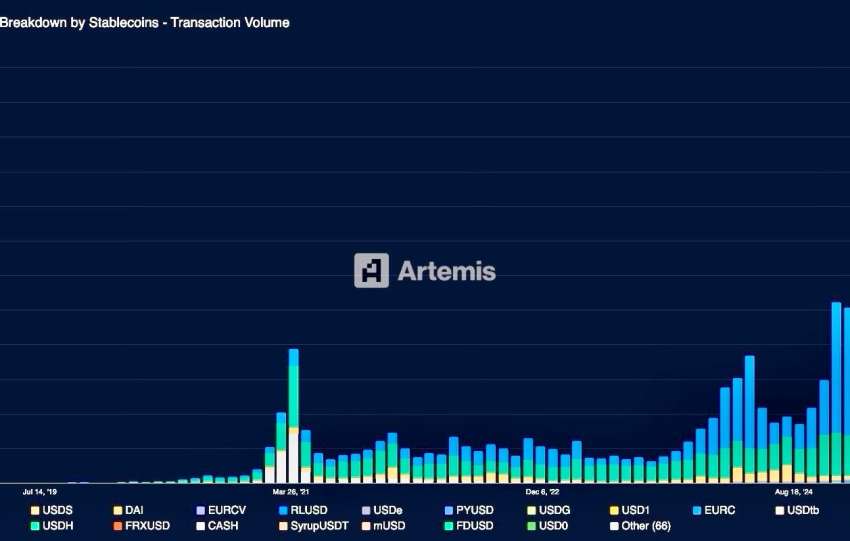
The “New Dilemma”: Mathematical Formalization of the Triffin Paradox 2.0

The original Triffin Dilemma (Bretton Woods I) pitted the issuance of international liquidity (USD) against the necessary convertibility into gold, creating a tension between domestic objectives (avoiding inflation) and international objectives (providing reserves). In the Bretton Woods 2.0 framework, the form of this dilemma is rewritten based on strict collateral rules imposed by the GENIUS…

Read more

Inflation Shock Triggers Counterintuitive 1.5% Gold Plunge as Fed Hike Bets Soar

On Tuesday, May 12, 2026, gold prices dropped by 1.5% to $4,665 despite the US Bureau of Labor Statistics reporting the April Consumer Price Index (CPI) at 3.8% year-over-year, the highest since May 2023. This counterintuitive movement occurs because high inflation data first influences the Federal Reserve's expectations, which then drives market reactions, often moving…

Read more