Analyse de marché

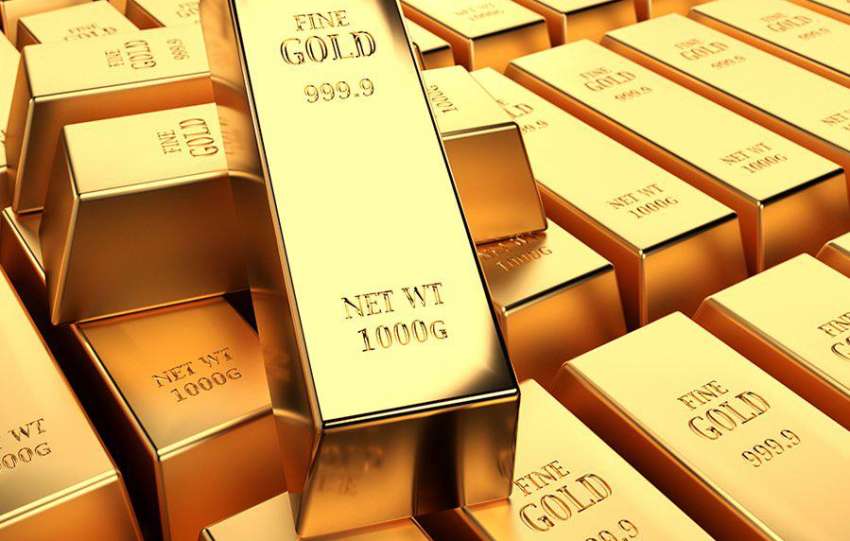
Gold prices are expected to fall below $3,900 per ounce this year before bottoming out, with a subsequent rally to $5,300 by 2027, according to a forecast from TD Securities. The precious metal has started the week on a disappointing note, hovering near support around $4,000 per ounce as persistent inflation concerns weigh on the market.

Bart Melek, head of commodity research at TD Securities, warned investors in a recent note that gold prices will likely dip below $3,900, marking a correction in the current bear market phase. However, he views this decline as a strategic buying opportunity, as the broader bull market remains far from over. The primary short-term risk for gold, Melek explained, is rising oil prices, which he expects to continue fueling inflationary pressures. Disruptions in the Strait of Hormuz have pushed oil inventories to historically low levels, creating a risk of a sharp rebound in the oversold oil market. Melek believes Brent crude could rise to a range of $90 to $110 per barrel, boosting inflation expectations and prompting tighter monetary policy. This would increase carry costs and opportunity costs for gold holders, as higher interest rates raise the appeal of alternative assets.
Despite ongoing peace talks, the Middle East conflict remains unresolved, with Iran and the U.S. exchanging retaliatory strikes. Brent crude is currently trading above $73 per barrel, up over 1% on the day, while spot gold fell 1.6% to $4,022.30 per ounce. Melek added that even if a peace deal is reached and oil flows through the Strait of Hormuz resume, it will take time for the market to stabilize and rebuild inventories to meet sustained demand.
The continued drawdown of inventories to unsustainable low levels through October suggests oil prices could approach $100 per barrel for a time, up from the current $74. Given the inverse relationship between gold and rising oil prices and a strengthening U.S. dollar, persistently high energy costs could lead to further declines in the precious metal over the coming months. Markets may start pricing in the possibility of a global fuel shortage, and even if flows resume immediately, these constraints are likely to persist.
Melek emphasized that high oil prices are becoming entrenched in the broader economy, forcing the Federal Reserve to maintain a restrictive monetary policy stance, which leaves gold vulnerable. However, despite these downside risks, Melek remains optimistic about a strong recovery in 2027, when gold prices could surpass $5,300 per ounce. The gradual easing of economic and financial hurdles related to the Iran conflict should act as a catalyst for growth.
Meanwhile, declining inflation expectations and the Fed’s shift back to a mandate focused on maximum employment, along with potential liquidity injections to offset the economic damage from supply shocks in energy and other commodities, should support gold in reaching new record highs. With U.S. national debt likely approaching $40 trillion and deficits remaining elevated, concerns about financial repression and currency debasement may resurface.
While the Fed currently maintains a hawkish stance on inflation, Melek noted that the current committee lacks a figure akin to Paul Volcker willing to “break the back of inflation.” This could reignite demand for gold as a safe haven. The Fed is likely to adopt a soft policy approach, treating the 2% inflation target as a guide rather than a hard limit to be achieved at all costs. Some investors and central banks may worry that the Fed could resort to quantitative easing, potentially framed as a liquidity measure, to suppress long-term bond yields and reduce funding costs. This would suggest that U.S. securities may struggle to adequately compensate investors for inflation. Given gold’s ability to track inflation over the long term due to the labor and productive capital required for its production, it may represent a more attractive safe haven than Treasury bonds.