The Quietest Race in Monetary History
Never before have so many central banks worked simultaneously on the same transformation. According to counts by the Atlantic Council and the BIS, 137 countries and monetary unions representing nearly all of global GDP are engaged in a phase of exploration, development, piloting, or launch of a central bank digital currency (CBDC). But this figure, repeated everywhere, obscures the essential truth: it adds together incomparable realities. A central bank blog post and a pilot with millions of active wallets carry the same weight in the tally of “137.”
Three speeds, one peloton
Detailed analysis reveals three groups:
– Operational pioneers: a handful of jurisdictions where CBDC is actually in circulation, with contrasting lessons, adoption below expectations in several pilot economies, reminding us that issuing a currency is not enough to ensure its use.
– Powers in advanced pilot phase: China with the e-CNY, India with the digital rupee, and the eurozone preparing the digital euro, with different objectives — payment sovereignty in Europe, financial inclusion and transfer efficiency in emerging economies.
– Cautious observers: a majority of countries in the research phase, waiting on technology but active on doctrine — with the US Federal Reserve remaining the most politically constrained case.
The real issue: interoperability and cross-border settlement
Behind the race for CBDCs lies a more strategic game: who will control the rails of tomorrow’s international settlement? The multi-CBDC platform projects (mBridge and its successors), the migration to the ISO 20022 standard, and the rise of tokenized settlement networks are shaping a landscape where a country’s “speed” is measured not by its press releases, but by four variables: technological maturity, political and legal framework, distribution infrastructure, and actual adoption.
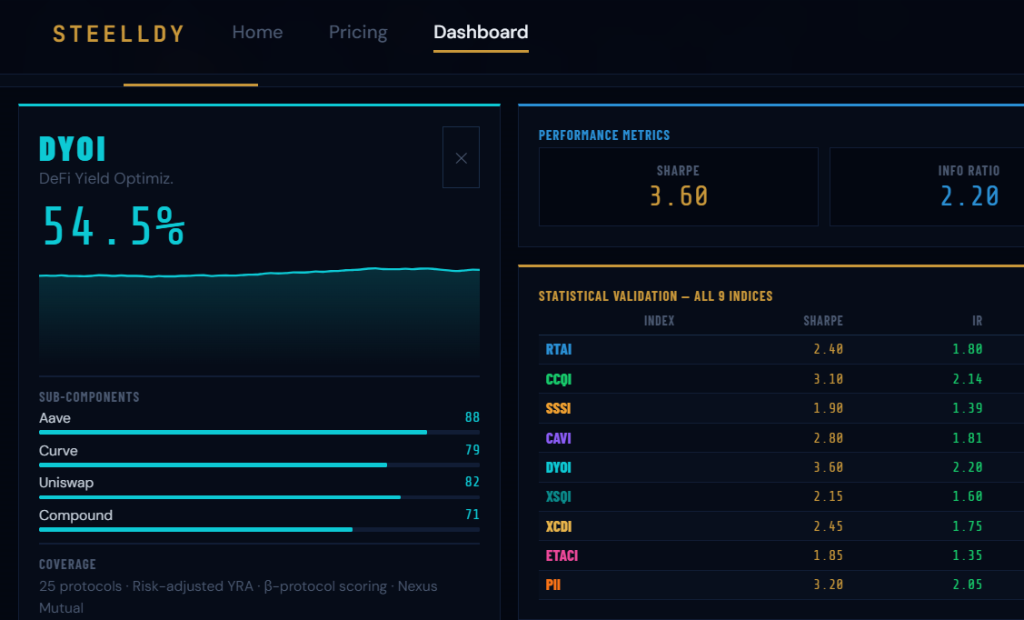
It is to make this comparison objective that indices like the CAVI (CBDC Adoption Velocity Index) rate the 137 jurisdictions each month on these four pillars, based on public data from the BIS and the Atlantic Council. The resulting picture is instructive: several highly-publicized jurisdictions are stagnating, while discreet players are progressing rapidly on infrastructure—the most predictive variable for a successful launch.
What institutional investors expect from it
For an asset manager or a family office, the CBDC map is not a geopolitical curiosity: it is the map of future settlement channels for their tokenized assets, the currencies in which sovereign digital bonds will be denominated, and the payment corridors where friction and therefore cost will collapse. Anticipating this geography means anticipating the plumbing of the 2030 market.

Conclusion: measure speed, not noise
The race for CBDCs will be won on measured adoption, not on stated intentions. Between the summit of announcements and the reality of active wallets, quantitative indicators become an essential reading tool for central banks themselves, which compare themselves to one another, as much as for capital that will organize around the new rails.

Sources
https://www.steelldy-indices.com/methodology — Steelldy, “Methodology” : couverture RWA (36 Md$ TVL, 50+ protocoles), carbone (2 Md$ → 100 Md$ visés 2030, corrélation ICE EUA ρ = 0,78), stablecoins (315 Md$, scoring toutes les 6 h), MNBC (137 pays), sources de données publiques. https://www.steelldy-indices.com/ — Steelldy, page d’accueil : 9 indices propriétaires, 137 pays suivis, rafraîchissement horaire, comparatif tarifaire Bloomberg (25 000 €/siège) vs Steelldy (5 880 €/siège/an « Analyst »), architecture technique (GitHub Actions, Supabase Postgres, API PostgREST, contrôles d’accès par palier « en cours »), démo sans carte bancaire.
https://steelldy.com/ — Steelldy : activité de conseil (modélisation statistique économique et financière auprès d’entreprises, fintechs et institutions).
https://steelldy.com/category/reports/economic-studies/ — Steelldy Magazine, rubrique « Economic studies » : publication d’études et commentaires sur l’économie internationale.