The RWA market has entered an industrialization phase; the discriminating factor for allocation is no longer TVL but the structural quality of flows (liquidity, compliance, yield distribution). Key data (mid-2026). On-chain distributed value: ~$31–36 billion (+380% from 2022); “represented” value: ~$340–369 billion; stablecoins (settlement layer, counted separately): ~$290–321 billion; RWA holders: ~790,000; tokenized Treasuries: ~$15.1…
Two invisible infrastructures converge in 2026: MiCA's licensed perimeter for crypto-assets, and the ISO 20022 migration of payment messaging. One regulates assets, the other the messages that carry them. What boards need to understand before November.
Since 1 July 2026, a MiCA license is mandatory for crypto-asset service providers across all 27 EU member states,…
For a decade, the value of a digital asset depended on the promise of a higher resale price. The tokenization of real-world assets (RWA) reverses this logic: value is now read in cash flows, rents, coupons, interest—generated by the underlying asset and distributed automatically. Analysis of a paradigm shift that brings crypto closer to private…
As of September 11, 2026, the crypto market presents a mixed macro regime. Bitcoin trades near $77,200–77,400, showing a -4.7% weekly decline as it digests levels below $80,000–82,000. ETF outflows have been observed for three days. Ethereum is around $2,470–2,480 with slight daily stability but a weekly -2%, while XRP at $1.35 drops -6.6% weekly…
Thesis. The 2026 AI cycle shifts from conversational models to "digital workers" (agents) and physical AI (robots, driving, inspection); value migrates from the model layer to operational integration and automated real assets, converging directly with smart cities and tokenizable infrastructure. Key Data. ~71% of companies are expected to integrate AI agents into key functions…
Thesis. Two "invisible" projects converge in 2026: the completion of the licensed perimeter under MiCA (crypto) and the ISO 20022 mandate for structured addresses (payments). Together, they shape the compliance-execution layer of European programmable finance.
Key data. MiCA: ART/EMT applicable since 30/06/2024; CASP since 30/12/2024; end of grandfathering on 01/07/2026 (some states earlier: Germany/Ireland…
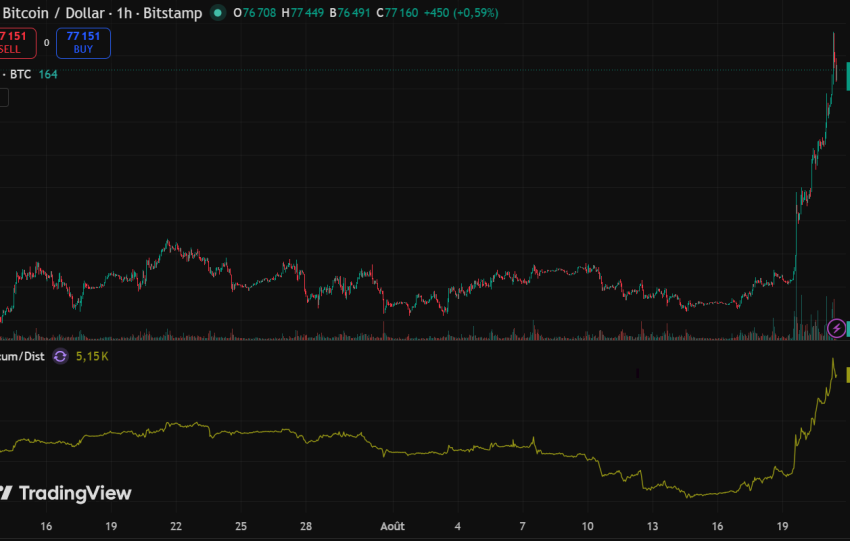
Bitcoin rallied 6% in the week of August 19, triggered by a yields at their highest since 2007, seen as a fiscal easing signal. CoinShares' James Butterfill noted the rally was driven by macroeconomic factors, not crypto-specific dynamics. T. Rowe Price identified the "debasement trade" as the key driver, where investors shift from cash and…
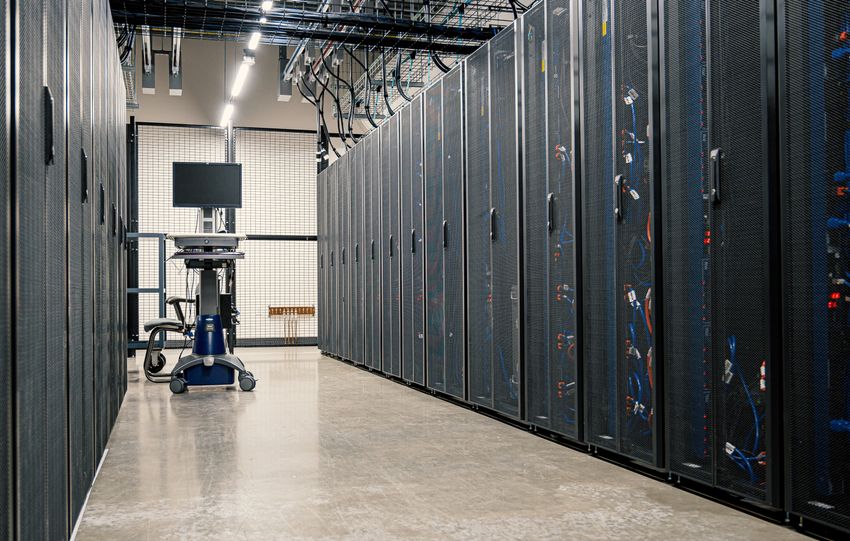
They allow hyperscalers to expand capacity rapidly while keeping the bulk of associated debt off their consolidated balance sheets, converting what would be large capital expenditures into multi-year operating leases or offtake commitments. This creates meaningful “shadow” leverage and interconnected risks.
How the Structures Typically Work
A dedicated vehicle (SPV, joint venture, or variable…
Circular financing in the AI sector refers to a tightly interlinked system of equity investments, compute commitments, guarantees, and off-balance-sheet structures among chipmakers, hyperscalers, AI labs, and data-center operators. Money and obligations circulate among a small group of counterparties, accelerating infrastructure buildout while amplifying downside risks if end-user monetization falls short.
How It Works.…
Bitcoin surged to $76,800-$77,600, gaining 6-8% in 24 hours and 20% for the week. The market saw over $4 billion in 24-hour liquidations, marking the most violent short squeeze of 2026. Combined BTC/ETH ETF inflows exceeded $800 million, indicating massive institutional entries. The funding rate shifted from negative to positive, signaling a return of long…