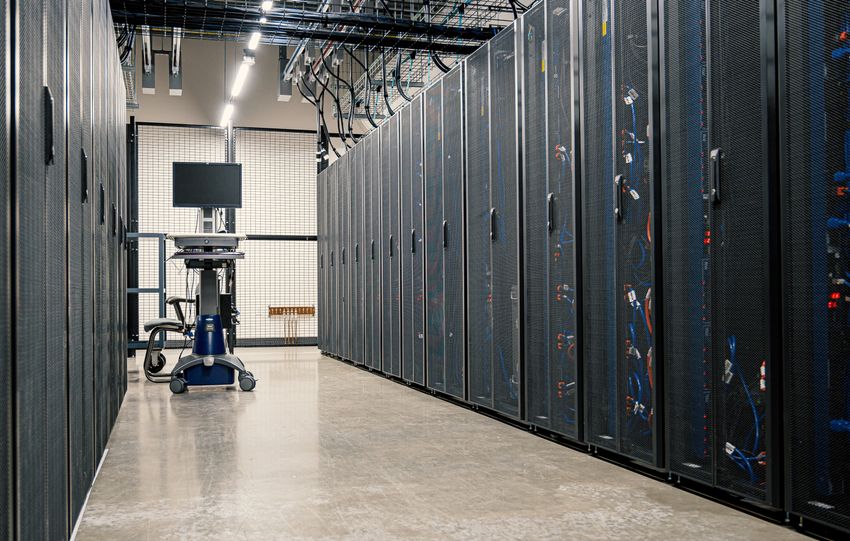
Colocation REITs (Equinix, Digital Realty) are structurally safer than neoclouds because their assets last 30–40 years vs. 3–5 years for GPUs, their contracts are long (5–10 years) and inflation-indexed, and their leverage is moderate (Equinix: debt/EBITDA ~3.5x). Their intrinsic value can be estimated by a dividend discount model (DDM): V₀ = D₁ / (r − g), where D₁ is the expected dividend, r the cost of equity, and g the long-term growth rate. With r = 7.5% (4% risk premium + 3.5% risk-free rate) and g = 4.0% (growth of the scarcity rent), the justified multiple is 1 / (0.075 − 0.04) = 28.6x; current Equinix multiples (~25x FFO) are slightly below, suggesting a buying opportunity for long-term investors.
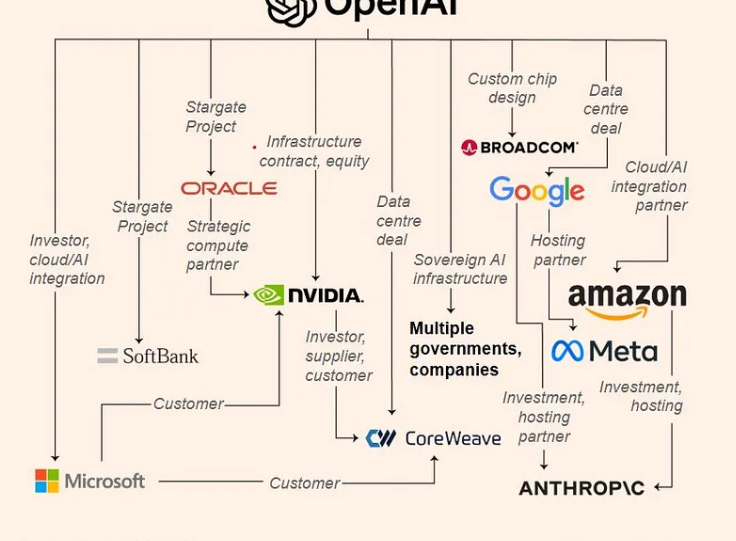
Neoclouds (CoreWeave) must be valued with a free cash flow (FCF) model incorporating accelerated GPU depreciation and refinancing risk, with a WACC of 10–12% due to credit risk and GPU price volatility. CoreWeave’s FCF is negative, making DCF inapplicable without a turnaround projection; EV/EBITDA multiples are misleading because they ignore maintenance capex and interest. A more appropriate model is real options valuation, where CoreWeave’s value is the sum of the present value of existing contracts plus an option value on new contracts. High GPU price volatility gives significant option value, counterbalanced by bankruptcy risk that nullifies equity value.
Stress tests on key parameters show: a +20% electricity price rise reduces CoreWeave’s EBITDA by −15% and extends payback by +3 months; a −20% drop in GPU rental prices reduces project NPV by −30%; a +200 bps rate hike increases interest by +25%, increasing net loss by +40%. These tests confirm that neoclouds are extremely vulnerable to cost and price shocks, while colocation REITs are far more resilient due to indexed contracts and longer-lived assets.