Skip to content Skip to sidebar Skip to footer

Tag: USA

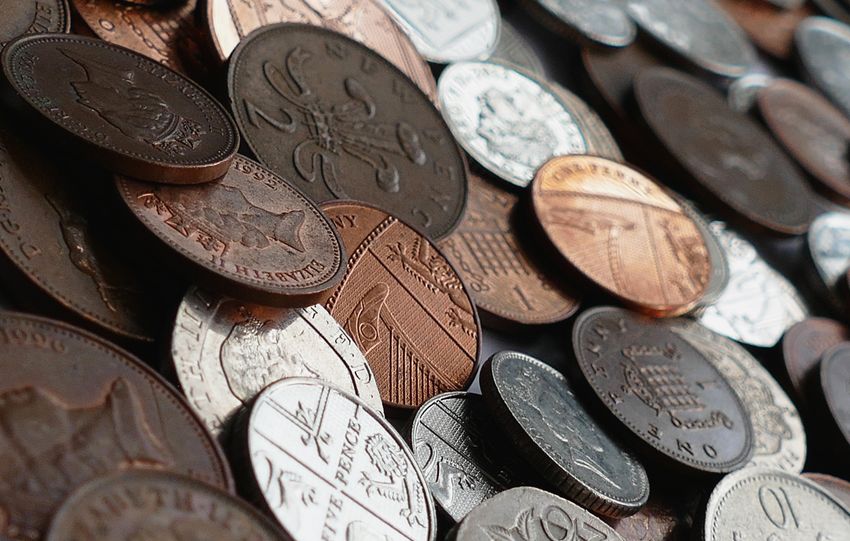
A close-up image of various world coins in a pile, highlighting different currencies.

War, Hidden Inflation, and the Role of Gold and Silver as Monetary Anchors

https://www.steelldy-indices.com/https://www.steelldy-indices.com The persistence of armed conflicts (Ukraine, Iran, tensions in Asia) and disruptions in energy supply, analyzed in our previous articles (ST-0726-IRAN-GOLD, ST-0727-CHINA-GOLD), validate a fundamental premise of quantitative finance: wars are the primary driver of debt monetization and hidden inflation that erodes savers' wealth. Faced with a deficit in traditional financing (tax collection, bond…
Read more

Illuminated Türkiye İş Bankası building in Ankara, Türkiye at night with vehicle motion blur.

Gold Holds Near $4,100 as Geopolitical Pause Eases Sovereign Selling Pressure

https://www.steelldy-indices.com Current gold price is around $4,100-4,103/oz, with a neutral-to-bullish short-term stance but an intact seller regime risk. The divergence alert between the model and Polymarket is not triggered. Semantic NLP shows a "gold distrust" score of 0.48 (down from 0.62), with dominant themes being the Fed decision, US-Iran pause, oil easing, and PBOC purchases.…

Read more

The Strait of Hormuz Crisis Is Over? Physical Markets Tell a Dangerous Lie

https://www.steelldy-indices.com Over several weeks, financial markets have gradually become convinced that the crisis in the Strait of Hormuz is in the past. Each encouraging statement from the White House is immediately interpreted as evidence that maritime shipping is returning to normal. Algorithms sell oil, short positions strengthen, and there is a consensus that the worst…

Read more

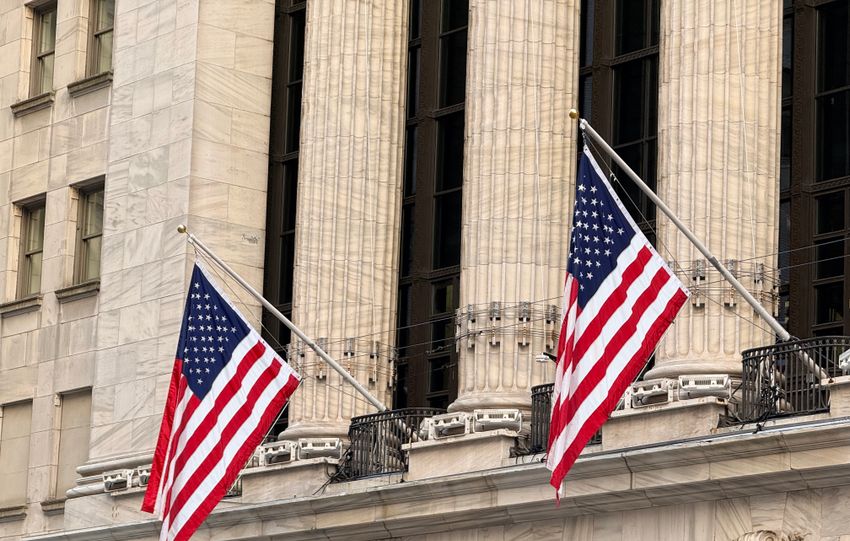
American flags displayed prominently on a historic Wall Street building in New York City.

Why Bank of America Still Sees Gold at $6,000 Despite Rate Hike Risks and Global Turmoil

Bank of America suggests gold could potentially reach $6,000, but not in the near term, due to significant headwinds from the Federal Reserve's tightening monetary policy. The bank was previously optimistic during gold's rally last year, expecting prices to hit $6,000 by spring. However, a recent correction has led its metals research team, led by…

Read more

Smoke billows from factory chimneys in Konin, Poland, highlighting pollution and environmental impact.

Navigating the Nuances: Synthetic Carbon Credits and Their Hidden Dangers

Synthetic carbon credit tokens provide derivative exposure to carbon markets (e.g., ICE EUA, voluntary indices) via futures, total return swaps, or oracle-replicated performance, without physical custody or retirement of underlying credits. This delivers operational efficiency (fractionalization, 24/7 liquidity, reduced verification costs) but introduces material counterparty risk (issuer solvency/fulfillment), basis/tracking error risk (deviation from reference index…

Read more

Analysis of the paradigmatic transition towards a “Digital Bretton Woods” and quantitative modeling of the risks/returns of Real World Asset (RWA) Tokenization

We are not in a classic crypto cycle; we are witnessing the commoditization of the settlement layer. Bretton Woods I (1944) used a gold-pegged dollar settled via correspondent banks (SWIFT/CHIPS). The current regime (post-1971) relies on the petrodollar and sovereign debt. Bretton Woods 2.0 is based on a Dual Pillar Regime: 1. Physical Pillar…

Read more

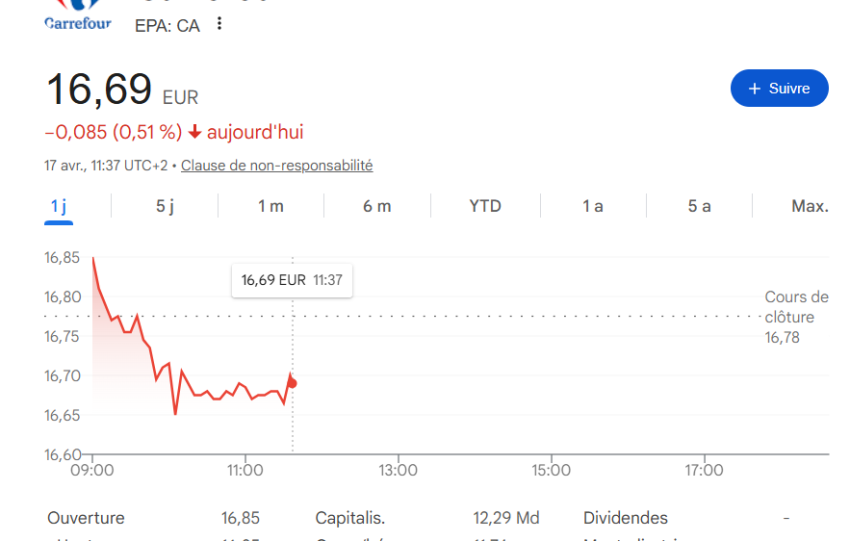
Analyse multi-facteurs de la dynamique des titres Carrefour (CA.PA). Découplage hydrocarbures vs risque systémique de Supply-Chain

Le marché observe une anomalie : le Gasoil baisse, ce qui devrait favoriser les marges des distributeurs, mais Carrefour sous-performe le CAC 40. La thèse centrale est que la baisse de Carrefour n'est pas liée aux prix de l'énergie mais à une discontinuité physique de la supply-chain (ruptures de stock), créant un risque de destruction…

Read more