We are not in a classic crypto cycle; we are witnessing the commoditization of the settlement layer. Bretton Woods I (1944) used a gold-pegged dollar settled via correspondent banks (SWIFT/CHIPS). The current regime (post-1971) relies on the petrodollar and sovereign debt. Bretton Woods 2.0 is based on a Dual Pillar Regime:
1. Physical Pillar (Hard Asset): Bitcoin as “Gold 2.0,” serving as non-sovereign store of value.
2. Programmable Pillar (Utility): Stablecoins (USD pegged) and CBDCs (mBridge) acting as instant liquidity and execution vectors. Quantitatively, the lines between FX, Rates, and Crypto are blurring. Carry trades will shift from EUR/USD to the spread between US Treasury yields and tokenized Real World Asset (RWA) yields on XRPL/Ethereum. Traditional FX volatility (USD dominance) will decrease structurally, but volatility will surge in the “TradFi vs. DeFi” spread.
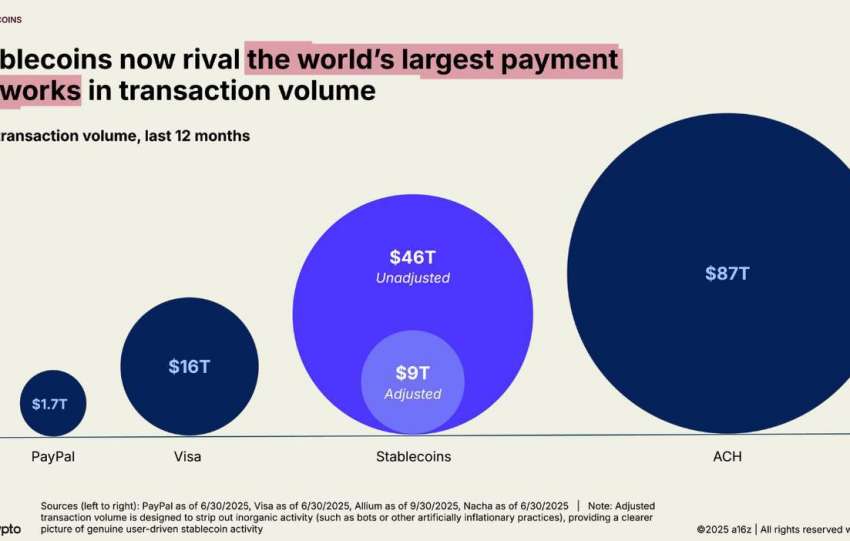
This technical architecture, modeled using M. Theory and G. Analysis on key actor movements, outlines a four-layer financial system. The Settlement Layer utilizes public (B…) and semi-private (mBridge/X…) blockchains, positioning Bitcoin as non-defaultable collateral against sovereign counterparty risk, especially as central banks continue to print. The Asset & Compliance Layer involves tokenizing Real World Assets (RWAs) like Treasuries (e.g., BlackRock’s BUIDL), making collateral move in real-time. Stablecoins, compliant with acts like GENIUS, become the future checking accounts, transforming Visa/Mastercard into non-custodial wallet management gateways. The Interoperability Layer uses XRP and mBridge protocols for cross-border Central Bank Digital Currency (CBDC) exchange corridors, replacing Nostro/Vostro systems with instant liquidity hubs. Finally, the Political Layer sees the US imposing on-chain USD stablecoin standards (CLARITY/GENIUS), while China promotes cross-border CBDC standards via mBridge, placing Europe (MiCA) in a regulatory observer role.
We are leaving the Internet of Information paradigm for the Internet of Value. The dollar is not dying. It is mutating. It is no longer based on Gold, but on the Blockchain. And we have just signed the engineering contract for this mutation.
Modeling the next 5-10 years requires integrating Distributed Ledger Technology (DLT) into monetary dynamics. The tokenized money velocity is modified by programmability and network latency, resulting in an exponential velocity increase as settlement nears instant. Higher velocity suggests deflationary cost pressure but potential asset inflation if real output lags. Tokenizing Real World Assets (RWAs) lowers the Weighted Average Cost of Capital by increasing market depth, reducing Kyle’s lambda, and compressing private credit spreads. Integrating Bitcoin into sovereign reserves, due to its historically low correlation with Gold and Treasuries, optimizes the Markowitz Efficient Frontier, increasing the Sharpe Ratio by diversifying asset variance.