Skip to content Skip to sidebar Skip to footer

Tag: Ripple

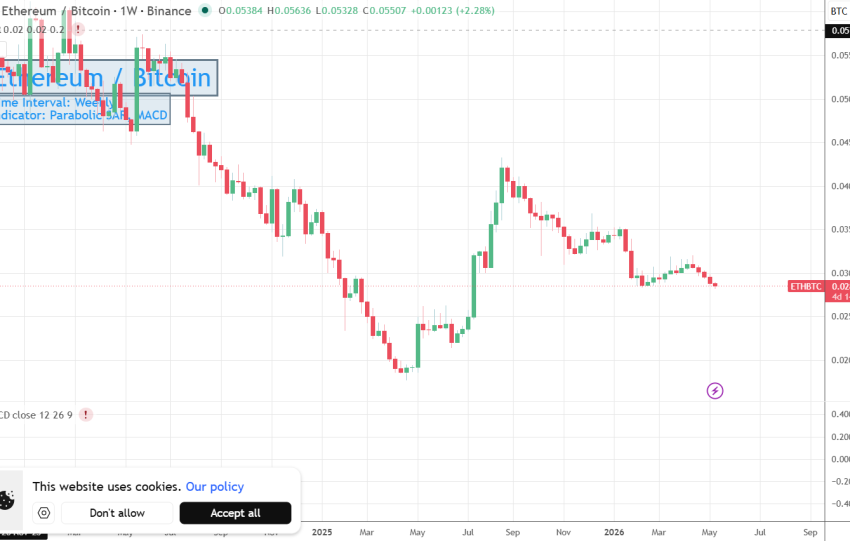
Microstructure interne du ratio ETH/BTC

ETH/BTC est le prix relatif de deux systèmes distribués en concurrence. Ses déterminants principaux sont : Prime de contrat intelligent : capitalisation sur l’écosystème DeFi et les dApps. Concurrence des "ETH Killers" : Solana, Avalanche, Sui, Aptos, etc., qui érodent la part de marché d’Ethereum. Mécanisme de destruction EIP‑1559 et frais de gaz : l’activité réseau alimente l’accumulation…
Read more

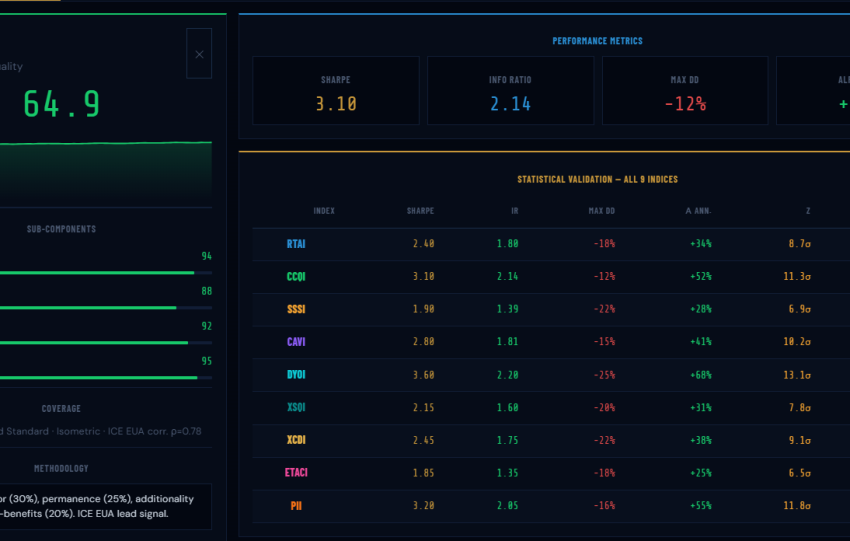
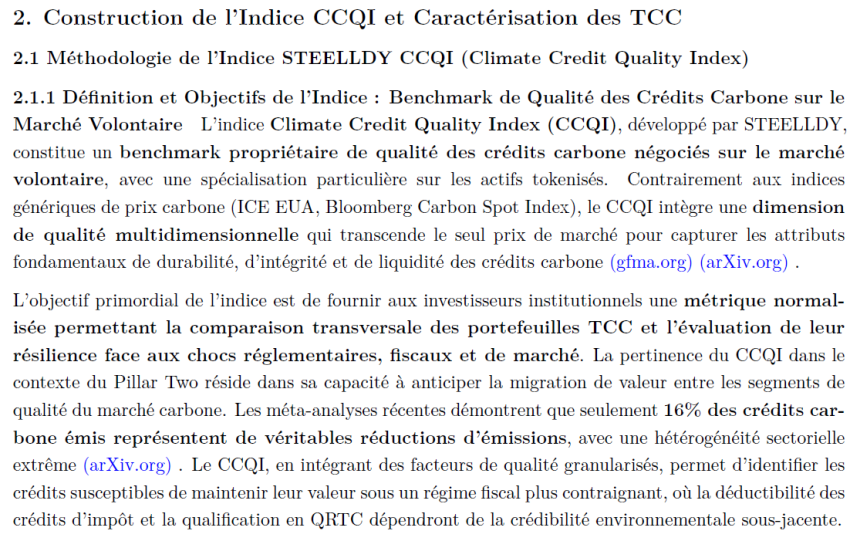
Construction of the Steelldy CCQI Index and Characterization of Carbon Credit Titles (TCC)

CCQI index and characterization of TCMs: Tracking Tokenization of RWAs and Carbon Credits 1.1 Methodology for the STEELLDY CCQI (Climate Credit Quality Index) 1.1.1 Definition and Objectives of the Index: Carbon Credit Quality Benchmark for the Voluntary Market The Climate Credit Quality Index (CCQI), developed by STEELLDY, is a proprietary benchmark for the quality of…

Read more

Interoperable Tokens (XRP/QNT/COTI), RWA Tokenization, and Gold-Backed Stablecoins

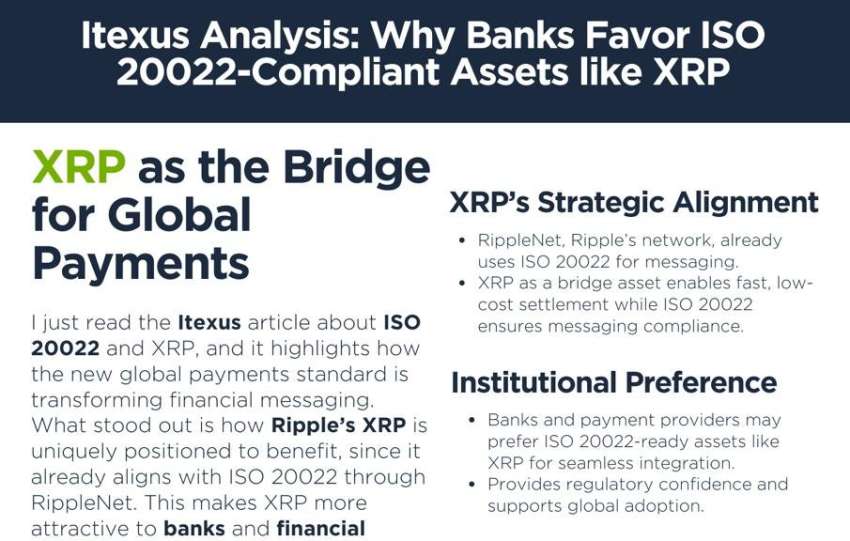
(1) XRP — Settlement Layer and Liquidity Bridge XRP serves as a neutral liquidity bridge between different fiat currencies and tokenized assets. The arrival of seven US spot XRP ETFs (approximately $1 billion in AUM) signals progressive institutionalization. Demand for XRP structurally stems from the volume of transactional flows, which creates continuous buying pressure…

Read more

Stochastic Modeling of the Impact of Pillar Two (OECD) on Tax Engineering and the Valuation of Tokenized Carbon Investments (TCC): Correlation Analysis Between STEELLDY’s CCQI Index and the Risk-Adjusted Tax Performance of TCCs in French Jurisdiction

The impact of the Pillar Two international tax regime (OECD) on the valuation and structuring of tokenized carbon credit (TCC) investments, particularly in France. (A) Structural effect of Pillar Two on the taxation of TCCs ¤ Pillar Two imposes a minimum effective rate of 15% on the profits of multinational corporations, neutralizing tax optimization…

Read more

MiCA Explained: How EU Crypto Rules Separate Bitcoin From XRP Compliance

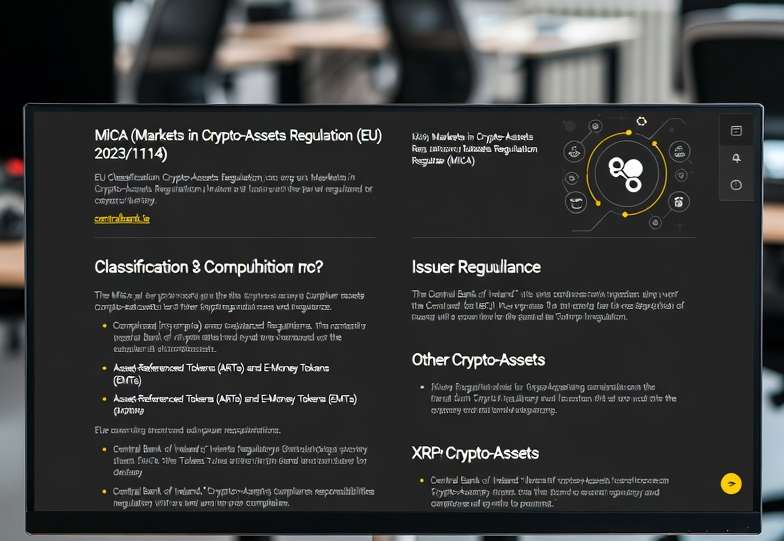
MiCA (Markets in Crypto-Assets Regulation (EU) 2023/1114) is the EU’s comprehensive framework for crypto-assets not already regulated under traditional financial laws (e.g., not securities under MiFID II). It entered into force in stages: issuer rules for stablecoins from 30 June 2024, and rules for other crypto-assets plus Crypto-Asset Service Providers (CASPs) from 30 December 2024.…

Read more

Les rôles de XRP, HBAR, QNT, COTI et KIMA dans le projet d’EURO NUMERIQUE de la BCE

❶ La BCE collabore avec plus de 70 partenaires. Aucun blockchain unique ne sera choisi ; l’euro numérique reposera sur une architecture modulaire (core, interopérabilité, confidentialité, DeFi). ❷ Quant (QNT) apparaît comme le composant stratégique majeur. ¤ Overledger, système d’exploitation multi‑DLT, permettra à la BCE de connecter l’euro numérique à d’autres CBDC (mBridge, Nexus) et à…

Read more

Lagarde ferme le débat : le Bitcoin n’entrera pas dans les réserves européennes

La Banque centrale européenne (BCE), dirigée par Christine Lagarde, poursuit activement le développement d’un euro numérique (CBDC) pour une introduction prévue d’ici fin 2025. Cette initiative vise à moderniser les infrastructures de paiement en Europe tout en renforçant son autonomie stratégique face aux géants du paiement (comme Visa/Mastercard) et aux stablecoins privés (USDC, USDT). Nonobstant,…

Read more