Skip to content Skip to sidebar Skip to footer

Tag: Google

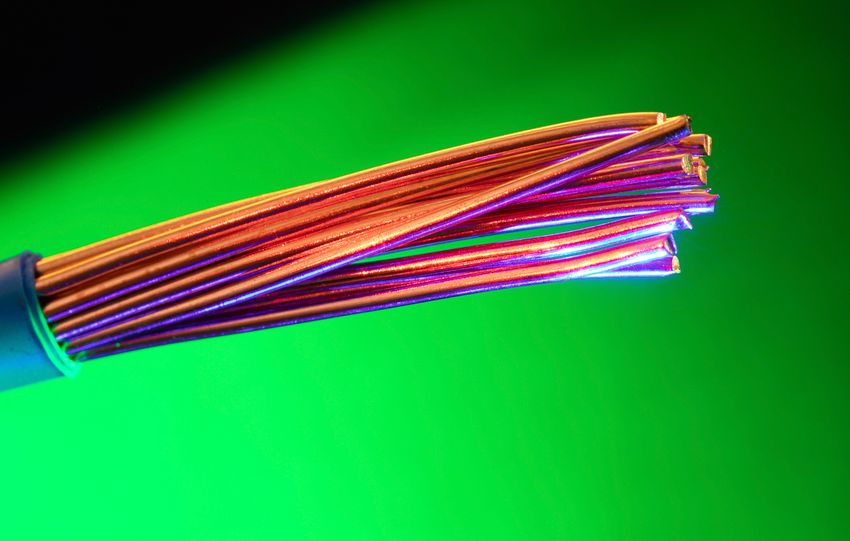
Close-up of colorful copper electrical wires against a vibrant green backdrop, showcasing vivid contrasts and textures.

The Super-Cycle of Energy Transition and AI Metals

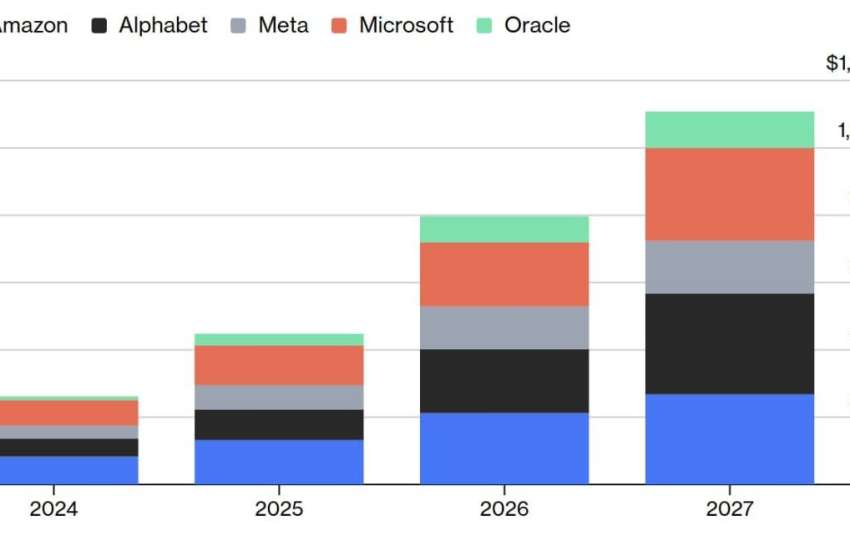
1. Demand Megatrends FTSE Russell identifies two megatrends: AI and the energy transition. We quantify them as follows: A. AI Infrastructure: The five hyperscalers (Amazon, Microsoft, Google, Meta, Apple) invested $320 billion in H1 2026, in line with an annual projection of $650 billion. Each 100 MW data center requires approximately 30,000 tons of…

Read more

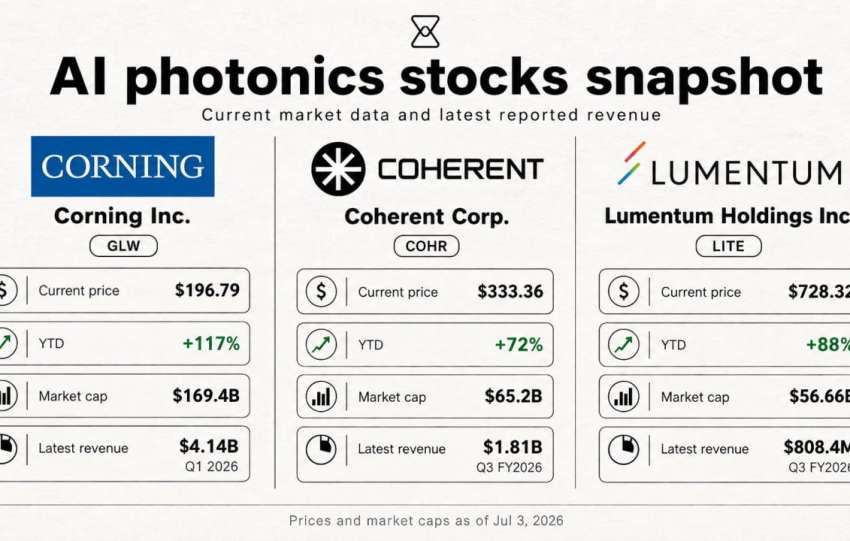
Copper-to-optics transition, commoditization of AI interconnects, quantitative analysis of Corning, Coherent, Lumentum drivers

www.steelldy-indices.com This study analyzes the evolution of the fiber optics industry in the context of the explosion of data centers for artificial intelligence, covering the period 2026-2031. The central thesis we defend is as follows: the transition from copper to optics in data center infrastructure is an irreversible structural trend, based on fundamental physical constraints…

Read more

Chipflation: How AI is Reshaping Global Economics and Investment Landscapes

Abstract The emergence of artificial intelligence as a transformative economic force has catalyzed an unprecedented surge in demand for semiconductor components, creating a phenomenon economists are beginning to term "chipflation." This technical analysis examines the multifaceted impact of AI-driven chip demand on global inflation, market dynamics, and investment opportunities across the semiconductor ecosystem. Through quantitative…

Read more

Morgan Stanley Warning: The U.S. Could Face a Major Power Shortage by 2028

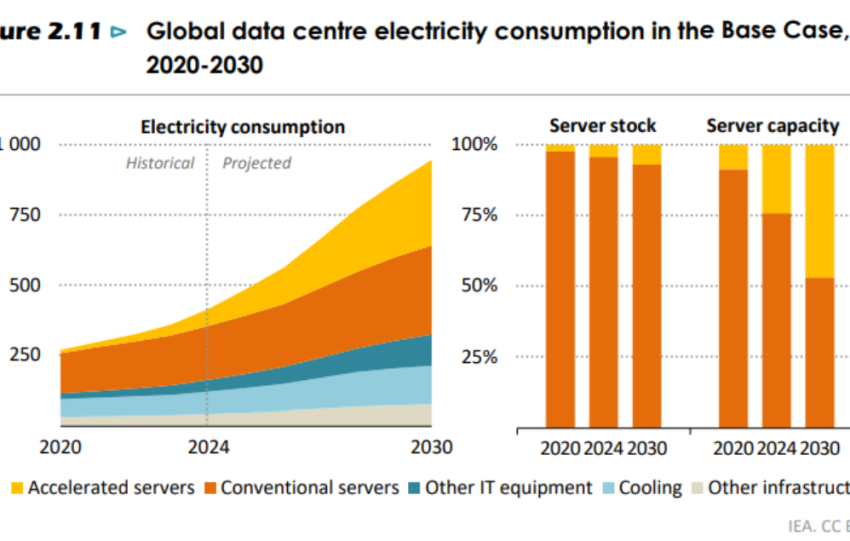
Morgan Stanley warns that accelerating global AI adoption is fueling an unprecedented demand for electricity, potentially leading to a 20% U.S. power shortfall by 2028 if supply doesn't match the exponential growth. Massive U.S. data centers, driven by major tech investments exceeding $400 billion by companies like Microsoft, Google, Amazon, and Meta for compute capacity…

Read more

Compétitivité économique de l’Union Européenne face à la transition énergétique accélérée (2025-2040)

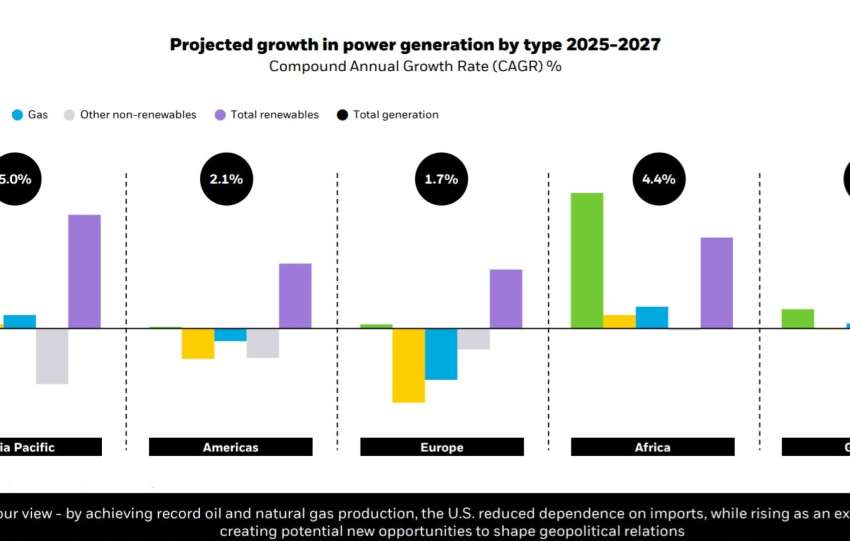
L'analyse des données de l'AIE (2025-2027) indique que l'Europe traverse une refonte structurelle de son coût du capital, plutôt qu'un déclin inéluctable. L'UE est engagée dans une transition "à haute volatilité", marquée par la réduction rapide des combustibles fossiles (Gaz : -6,1 % CAGR, Charbon : -8,8 % CAGR) et une dépendance croissante aux énergies…

Read more

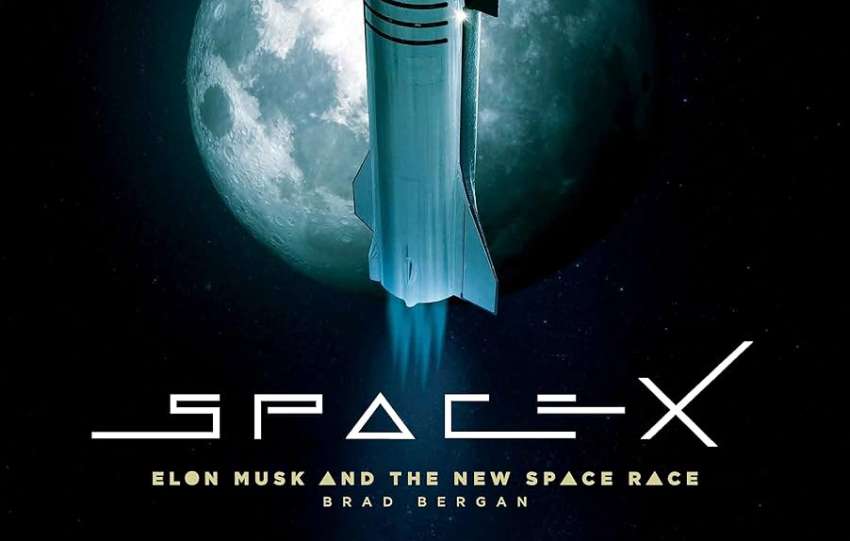
Alphabet et SpaceX, le multiplicateur de compétences x122 qui redéfinit la thèse d’évaluation

L'analyse de l'investissement d'Alphabet dans SpaceX n'est pas simplement une évaluation de gain, mais une validation du modèle de capital-risque stratégique de GOOG et de son impact sur la croissance des revenus non-opérationnels. I. SYNTHÈSE EXÉCUTIVE. LE MULTIPLICATEUR DE COMPÉTENCE L'investissement de 900 millions de dollars d'Alphabet (via les entités Google et Fidelity) dans…

Read more

AI 2024-2030: The Paradox of the Speculative Bubble and the Sequential Technological Revolution

IA 2024-2030 : le paradoxe de la bulle spéculative et de la révolution technologique séquentielle L'IA est une bulle spéculative et une révolution technologique. Les valorisations des startups sont excessives, mais l'infrastructure essentielle (NVDA, etc.) ne l'est pas. Euphorie en 2024-2025, puis correction (2026-2027), avant création de valeur réelle (2028-2030). Privilégier les vendeurs d'infrastructures…

Read more

Peter Thiel exit NVDA. Motivations profondes, impacts macro & stratégie de Trading

La vente massive de NVIDIA par Peter Thiel n’est pas un simple ajustement portefeuille mais c’est un signal stratégique d’un trader institutionnel de premier plan, anticipant un retournement de cycle dans le secteur AI hardware. Ce mouvement s’inscrit dans une rotation plus large des smart money (SoftBank, Burry, Druckenmiller) vers des actifs moins spéculatifs (MSFT,…

Read more

La surperformance du BTC et la crise de confiance

1. La surperformance du BTC est le reflet d'une rotation massive de capitaux des actifs traditionnels vers l'actif de réserve numérique : 1.1.    Délitement de la Big Tech : le BTC surperforme les géants technologiques. Cela s'explique par la fin du cycle de croissance facile des entreprises qui dépendent d'un système économique ouvert et stable. Les…

Read more