The dominant factor in September is not an endogenous crypto narrative but a regime of real rates and geopolitical energy premiums.
US 10-year yields hit ~4.76-4.78%, the highest since January 2025, while the #DXY traded around 99.45-99.50.
Oil prices (WTI ~$86.5) reacted to US-Iran tensions and the Strait of Hormuz.
The Fed funds target is…
The market has exited the capitulation phase of June 2026, where BTC fell below $60k, driven by ETF creations and short squeezes pushing prices to ~$81.3k, though this does not confirm a sustained bullish cycle. Three simultaneous frictions are identified: a BTC supply wall between $81k-$86k, a potential 25bp hike at the September FOMC meeting…
Bitcoin rallied 6% in the week of August 19, triggered by a yields at their highest since 2007, seen as a fiscal easing signal. CoinShares' James Butterfill noted the rally was driven by macroeconomic factors, not crypto-specific dynamics. T. Rowe Price identified the "debasement trade" as the key driver, where investors shift from cash and…
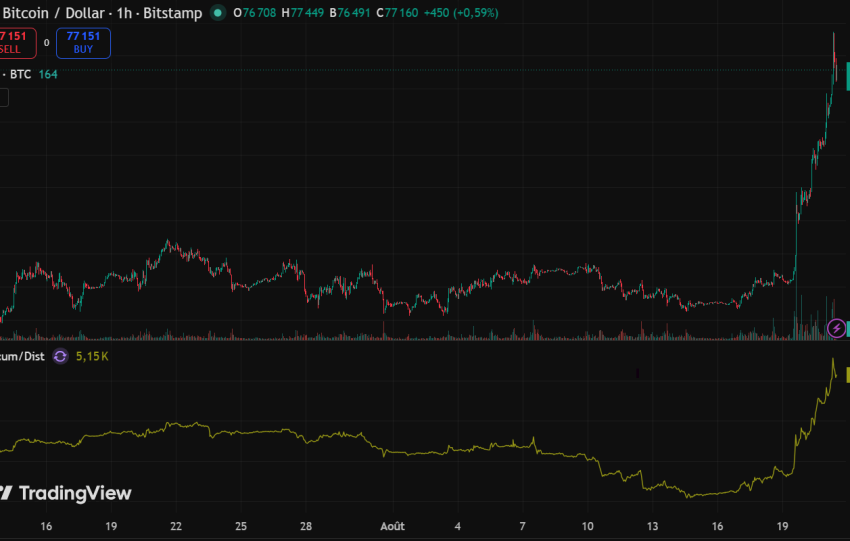
Bitcoin surged to $76,800-$77,600, gaining 6-8% in 24 hours and 20% for the week. The market saw over $4 billion in 24-hour liquidations, marking the most violent short squeeze of 2026. Combined BTC/ETH ETF inflows exceeded $800 million, indicating massive institutional entries. The funding rate shifted from negative to positive, signaling a return of long…
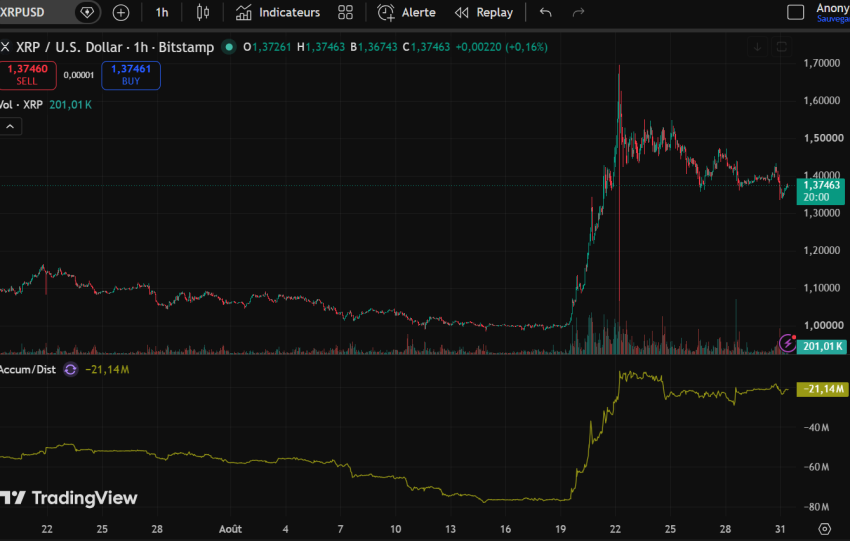
Price is the last indicator to move
The stablecoin market has reached a new milestone: over $315 billion in total market capitalization, serving as the backbone of on-chain settlements, with adoption now extending far beyond the crypto ecosystem alone cross-border payments, corporate treasuries, and collateral for tokenized finance. Yet a massive, under-discussed anomaly persists:…
Global real estate remains the dominant asset class, valued at approximately $393-448 trillion (Savills, 2026 estimates), about 3.3 times the global equity market capitalization and 2.8 times that of bonds. In this context, institutional capital is structurally shifting toward rental income streams (SFR/BTR). The institutional share of the US Single-Family Rental market remains low (2.0-3.1%…
The voluntary carbon market is on a well-documented trajectory: roughly $2 billion today, heading toward $100 billion by 2030. CSRD reporting, net-zero commitments, and the rise of tokenized credits are pulling institutional money into a market that was, until recently, a boutique affair of project developers and well-meaning corporates.
There is just one problem, and…
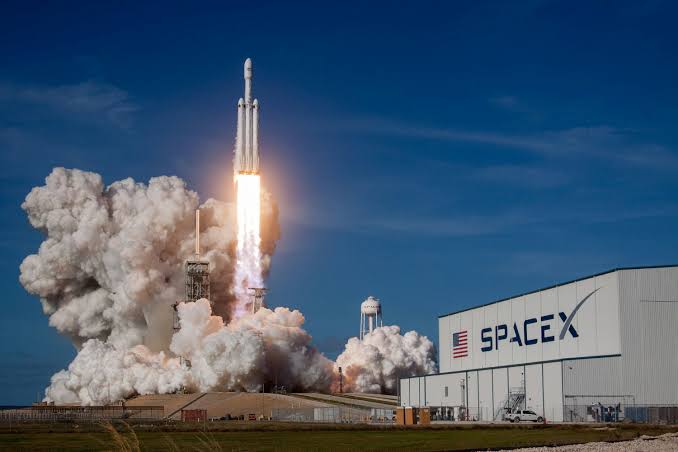
SpaceX (SPCX) faces a probable short-term correction of ≥30% (62-78% probability) from current levels (~$141-146), driven by negative convexity, retail unwind, and liquidity spirals, while long-term (3-10 years) appreciation remains significant.
The company is transitioning from a launch and constellation firm to a multi-planetary spatial infrastructure, data, and AI platform with increasing returns and…
The stablecoin market has crossed a symbolic threshold: a market capitalization of over $315 billion. What was, five years ago, a niche tool for crypto traders has become a cash management infrastructure, for funds, fintechs, corporations, and soon, under the effect of the MiCA regulation, for regulated European institutions. Yet the fundamental question remains unchanged:…
The numbers, first. Tokenized real-world assets crossed $30 billion in early 2026, a 300% year-on-year increase : US Treasury debt ($10.7bn), commodities ($5.1bn), private credit ($2.9bn), institutional alternative funds ($2.2bn) leading the mix. Measured against what is coming, $30bn is a rounding error. The 2030 forecasts, by institution:
Source2030+ forecastScope noteMcKinsey~$2tnExcludes crypto, stablecoins, deposits,…
Analyse de marché
Carbon Credit Market