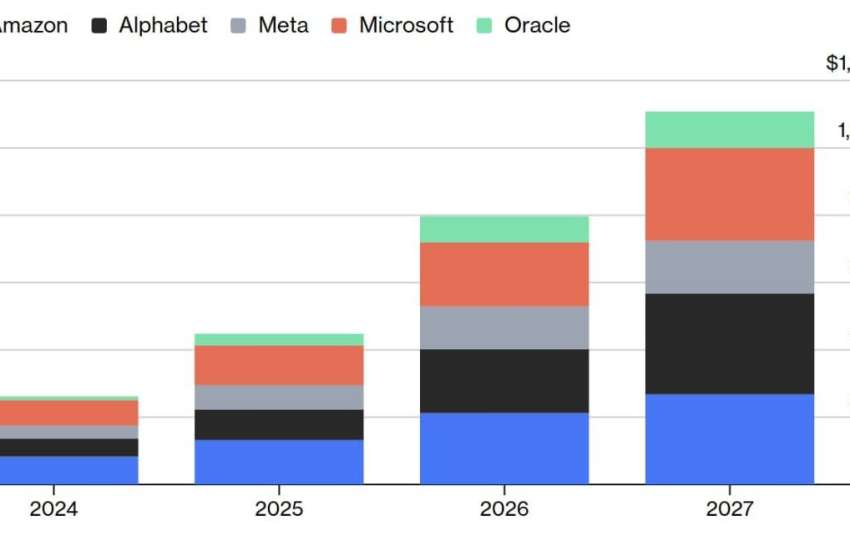
They allow hyperscalers to expand capacity rapidly while keeping the bulk of associated debt off their consolidated balance sheets, converting what would be large capital expenditures into multi-year operating leases or offtake commitments. This creates meaningful “shadow” leverage and interconnected risks.
How the Structures Typically Work
A dedicated vehicle (SPV, joint venture, or variable…
EXECUTIVE SUMMARY. QUANTITATIVE FINANCE
Contagion in AI financing cannot be understood through valuation levels or even growth rates. It is grasped through the counterparty dependency structure and the second derivative of infrastructure spending.
Our cross-analysis shows:
¤ The central risk is not the disappearance of AI demand, but the existence of a…
Circular financing in the AI sector refers to a tightly interlinked system of equity investments, compute commitments, guarantees, and off-balance-sheet structures among chipmakers, hyperscalers, AI labs, and data-center operators. Money and obligations circulate among a small group of counterparties, accelerating infrastructure buildout while amplifying downside risks if end-user monetization falls short.
How It Works.…
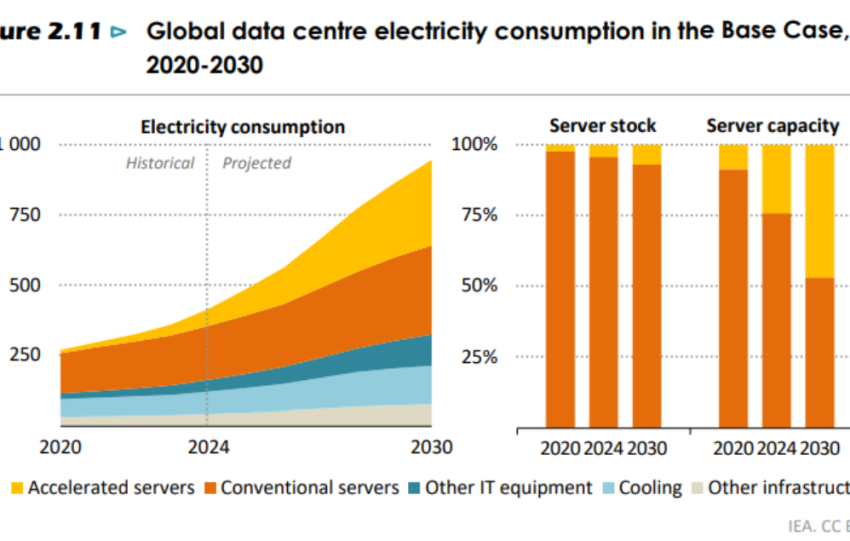
The base case, from the IEA. Global data centres consumed about 415 TWh in 2024, 1.5% of world electricity, roughly Germany plus Austria. By 2030, that doubles to ~945 TWh, just under 3% of global consumption, growing ~15% per year, four times faster than all other sectors combined.
Inside that number, the split is…
Starlink Direct-to-Cell (also called Starlink Mobile or D2C/DTC) is SpaceX’s satellite-to-smartphone service that lets ordinary, unmodified 4G/LTE phones connect directly to Starlink satellites for basic connectivity in areas without terrestrial cell coverage.
As of August 2026, the Direct-to-Cell service has been live since July 2025, commercially launched with T-Mobile in the US. Its constellation comprises…
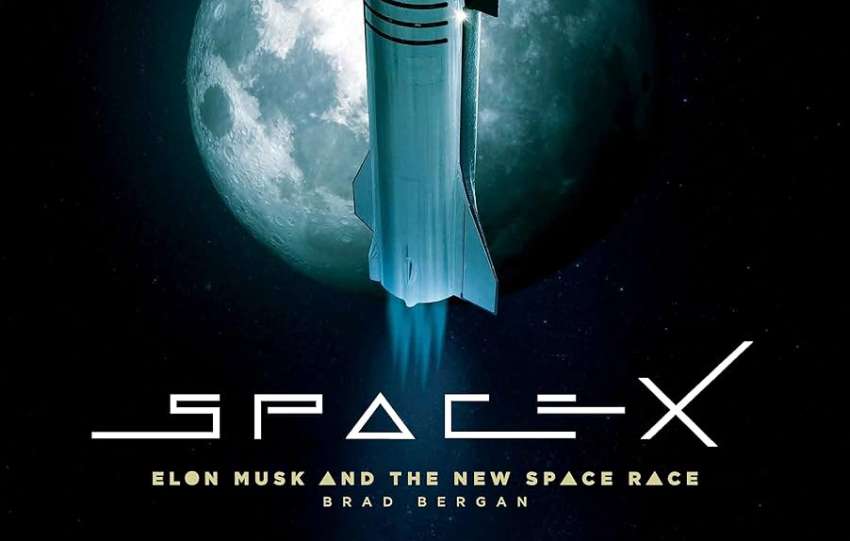
SpaceX is not a blockchain protocol, a crypto cloud, a native DePIN network, or an on-chain payment processor as of August 10, 2026. It is a physical infrastructure platform (launch, Starlink LEO constellation, emerging terrestrial/orbital AI clusters) whose systemic externalities make it the most credible physical layer zero for the decentralized economy, orbital data, resilient…
1. Demand Megatrends FTSE Russell identifies two megatrends: AI and the energy transition. We quantify them as follows:
A. AI Infrastructure: The five hyperscalers (Amazon, Microsoft, Google, Meta, Apple) invested $320 billion in H1 2026, in line with an annual projection of $650 billion. Each 100 MW data center requires approximately 30,000 tons of…
www.steelldy-indices.com
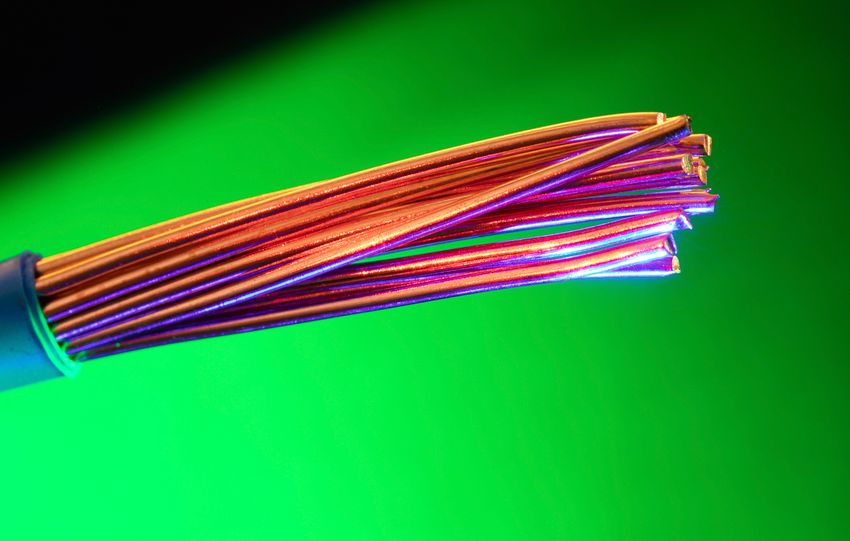
This study analyzes the evolution of the fiber optics industry in the context of the explosion of data centers for artificial intelligence, covering the period 2026-2031. The central thesis we defend is as follows: the transition from copper to optics in data center infrastructure is an irreversible structural trend, based on fundamental physical constraints…
Abstract
The emergence of artificial intelligence as a transformative economic force has catalyzed an unprecedented surge in demand for semiconductor components, creating a phenomenon economists are beginning to term "chipflation." This technical analysis examines the multifaceted impact of AI-driven chip demand on global inflation, market dynamics, and investment opportunities across the semiconductor ecosystem. Through quantitative…
Morgan Stanley warns that accelerating global AI adoption is fueling an unprecedented demand for electricity, potentially leading to a 20% U.S. power shortfall by 2028 if supply doesn't match the exponential growth. Massive U.S. data centers, driven by major tech investments exceeding $400 billion by companies like Microsoft, Google, Amazon, and Meta for compute capacity…
Analyse de marché
Carbon Credit Market