Analyse de marché
The original thesis from December 6-13, 2025, predicting a catastrophic systemic event driven by a Fed-BOJ shock and a $11.5 trillion carry trade unwind within 90 days, was not validated in its magnitude or timing. Observed reality shows USD/JPY peaked around 164 in late July 2026 after coordinated intervention, now near 158. The BOJ hiked gradually to 1.00%, while the Fed stayed at 3.50-3.75%, maintaining a 250-275 bp rate differential.
The carry trade persisted and even rebuilt, with no disorderly unwind. The Fed’s RRP was nearly drained. Markets saw sectoral corrections but no SPX drawdown of -21% to -35%. Japan’s economy struggled with high debt and yields, but no global systemic rupture occurred.
The seven vectors have been re-evaluated.
Vector1, USD liquidity drainage, is confirmed in intensity (RRP nearly exhausted). NLS(t) continued to contract, but markets absorbed this via reserves and other channels. Updated score: 65/100.
Vector2, JPY carry trade (estimated original $11.5T), remains the dominant vector. Exposure is still significant; leverage is high in tiers 1-2. Partial unwinding occurred during JPY spikes, but quick reconstitution followed. Score: 78/100 (high). The ROI mechanism (10x leverage) remains positive as long as the interest rate differential exceeds 200-250 bps and JPY volatility is managed.
Vector3, the Fed-BOJ scissors effect, is materializing progressively (BOJ hikes + Fed holding/hawkish). No explosive simultaneous double shock in December 2025. Score: 70/100.
Vectors4-7 (US regional banks/CRE, spread compression, speculative positioning, accelerated RRP) show pressures (spreads, JGB yields) but no cascade. #USregionalbanks faced CRE stress without a global systemic crisis. Markov regimes (Steelldy 12.4) indicate a transition from “pre-crisis high energy” (Dec 2025) to “persistent divergence + intermittent interventions” (2026). The probability of a “disorderly unwind” regime has been lowered.
The updated Systemic Risk Score is 61-68/100 (elevated but not critical). The 90-day probability of a disorderly event dropped to 28-38% from 72-78%. Containment worked longer than expected due to the persistent rate gap and interventions. Vector re-evaluation: USD liquidity drainage was confirmed (RRP exhausted), score 65/100. The JPY carry trade remains dominant with high leverage, scoring 78/100. The Fed-BOJ scissors effect materialized gradually, score 70/100.
Other vectors (regional banks, spreads, positioning) showed pressure but no cascade. Markov regimes shifted from “high-energy pre-crisis” to “persistent divergence with intermittent interventions.” Quantitative modeling recalibrated the master liquidity-carry equation.
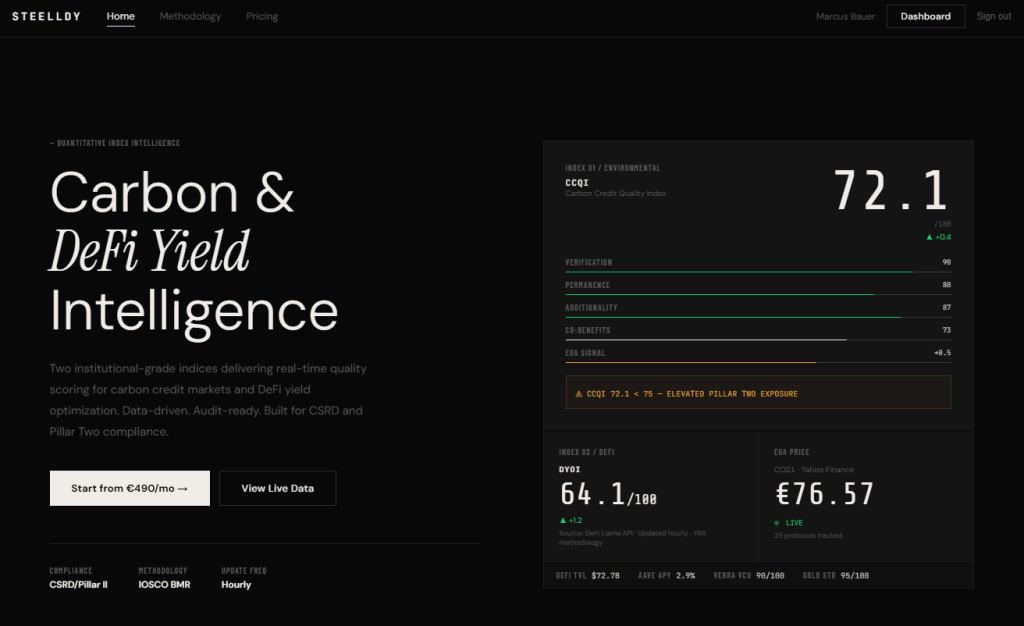
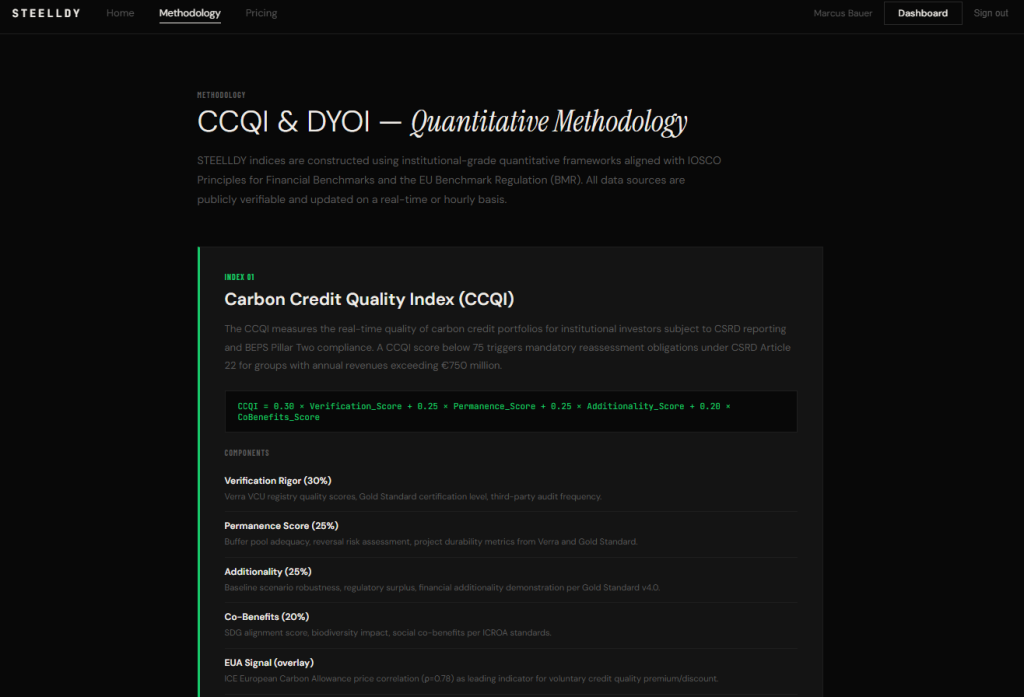
M. C. simulations now show an SPX EV of -4% to -9% over 90 days, with a 5% tail of -18% to -22%, far from the original -25.9%. G. theory suggests a temporary Nash equilibrium where repeated BOJ interventions and gradual hikes sustain the carry until the rate differential narrows to 150-180 bp or JPY volatility exceeds a critical threshold.
Conditional volatility of JPY is high near 160-165, with mean-reversion after interventions. Polymarket/Kalshi odds for a September BOJ hike are ~50%, with low pricing for an immediate systemic crash.
Prospective scenarios for 2026-2027. Managed divergence with intermittent interventions (52%), accelerated orderly unwind (28%), disorderly rupture (15%), and soft normalization (5%). The A. lesson is that the original thesis correctly identified fragilities (carry, liquidity, divergence) but overestimated the probability and speed of a nonlinear rupture. Absorbers like interventions, BOJ communication, and the residual rate gap prolonged metastability.
Japan’s economy suffers under debt, yields, and a weak yen, keeping carry under permanent pressure, but the global system proved more resilient than forecast. Quantitative finance requires constant recalibration. Risk remains high; convexity and liquidity preparation are superior to exact prediction. The current status is orange alert (61-68/100) with intensive monitoring.