Analyse de marché
UBS analysts forecast a significant increase in gold prices, predicting a rise of 20% to reach $6,200 per ounce by the end of 2026, up from current levels. This projection persists despite gold’s subdued performance following the conflict with Iran, where it failed to act as a strong safe-haven asset, contrasting with its 65% surge last year driven by geopolitical risks, lower real interest rates, and debt concerns.
Historically, gold has seen initial spikes during conflicts (like the 15% rise after the Russia-Ukraine conflict began in 2022) followed by declines as central banks raised rates. UBS maintains a positive outlook, projecting prices to hit $5,900 to $6,200 this year. They argue gold primarily shields against broader monetary risks stemming from geopolitical events, such as currency devaluation, rising deficits, and slowing economic growth, rather than direct war threats.
Although short-term factors like high energy prices, inflation fears, a strong US dollar, and potential interest rate hikes negatively impact gold, UBS expects central banks to manage inflation without aggressive rate increases. Prolonged US-Iran conflict increases the risk of negative economic consequences, further boosting gold demand as a hedge.
Long-term, gold is viewed as an inflation hedge, historically correlating positively with inflation. Furthermore, underlying demand remains robust, supported by ongoing central bank purchases, stable investor sentiment in ETFs, and moderate increases in net long positions by hedge funds. Structural demand drivers, including high government debt, central bank diversification away from the US dollar, and rising Asian income driving jewelry demand, will continue to support gold’s appeal. UBS considers gold an effective portfolio diversification tool amidst macroeconomic and political uncertainty.
Previously, UBS predicted a $1,000 ounce increase by June due to geopolitical escalation around Iran and anticipated Federal Reserve rate cuts. They foresee geopolitical risks remaining high, with increased US military presence near Iran suggesting conflict is increasingly likely.
Geopolitical uncertainty, including shifts in US foreign policy under Donald Trump, typically causes short-term volatility, thereby supporting hedging demand, especially for gold. UBS analysts believe several macroeconomic factors will sustain gold prices.
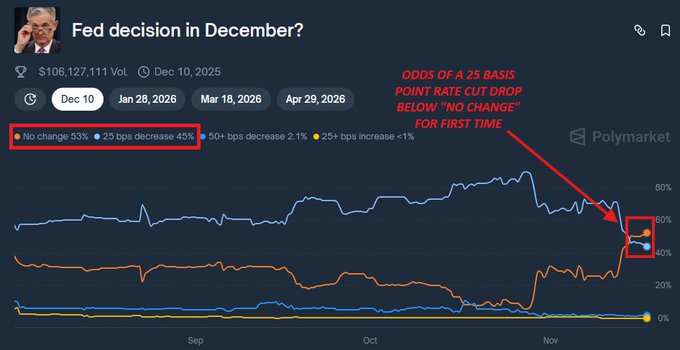
A likely easing of Fed monetary policy, possibly involving two 25 basis point cuts by the end of September due to easing inflation and FOMC personnel changes, will weaken the US dollar and lower real interest rates—conditions historically favorable for gold. Global gold demand surpassed 5,000 metric tons in 2025, a trend expected to continue via investment and central bank buying, alongside long-term demand growth from Asia.
Supply remains constrained, with production plans at 80 mines potentially exhausted by 2028. Dominic Schnider of UBS Wealth Management forecasts gold could reach $6,200 by mid-year, revising up a previous $5,000 target. While gold is key, UBS also notes medium-term potential in copper and aluminum, supported by electrification and expected supply deficits. Other precious metals and commodities saw price increases in January amid uncertainty. For investors without gold exposure, UBS suggests allocating a few percent to this asset for diversification and hedging. Those already heavily allocated to gold might consider diversifying into other commodities like copper, aluminum, and agricultural assets. Overall, commodities are expected to play a larger portfolio role in 2026, offering diversification against supply-demand imbalances, geopolitical risks, and the energy transition, with gold remaining a central hedge.
Global Investment Returns Yearbook
Wood Mackenzie
UBS Wealth Management