Skip to content Skip to sidebar Skip to footer

Tag: Tether

Bitcoin coin placed over US dollar note symbolizes digital vs traditional currency.

Dollar-backed stablecoins, neo-mercantilist regime, and energy constraints. Implications for digital assets and investment strategies

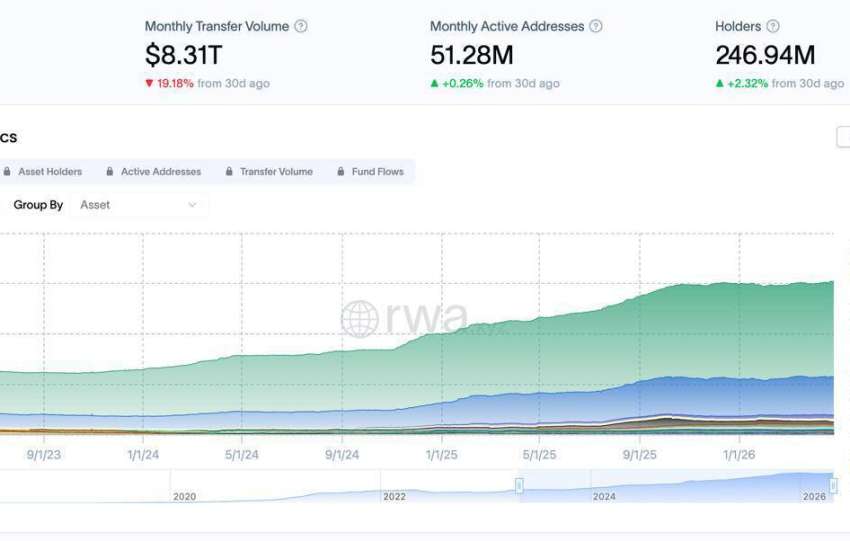
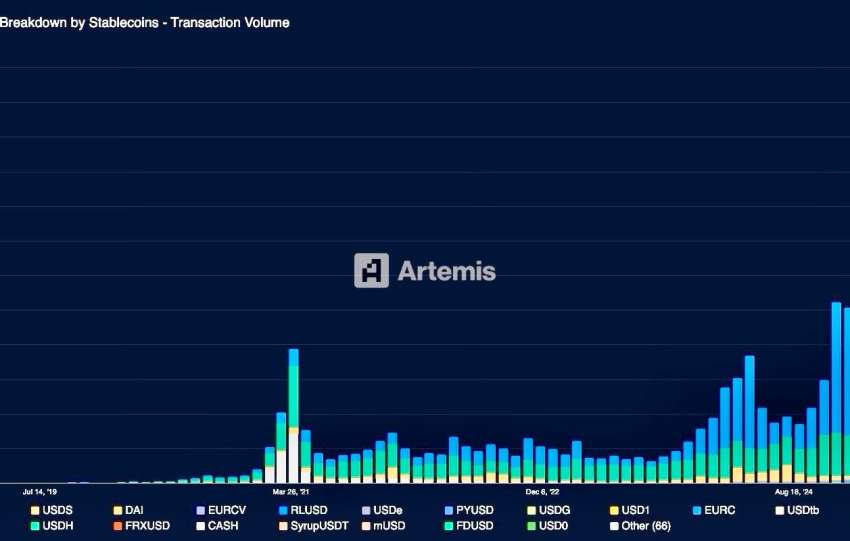
Dollar-backed stablecoins have become a dual-use instrument of U.S. economic power, extending the dollar's reach into markets where correspondent banking is weak or blocked while giving Washington new control points over issuers, reserves, and token freezes. Key data shows 90-98% of the stablecoin market is dollar-denominated, with Tether holding ~$141 billion in U.S. Treasury exposure,…

Read more

The “New Dilemma”: Mathematical Formalization of the Triffin Paradox 2.0

The original Triffin Dilemma (Bretton Woods I) pitted the issuance of international liquidity (USD) against the necessary convertibility into gold, creating a tension between domestic objectives (avoiding inflation) and international objectives (providing reserves). In the Bretton Woods 2.0 framework, the form of this dilemma is rewritten based on strict collateral rules imposed by the GENIUS…

Read more

Étude de la dislocation du “basis” or numérique vs or spot. Diagnostic de rupture de la parité et inférence de prix réel

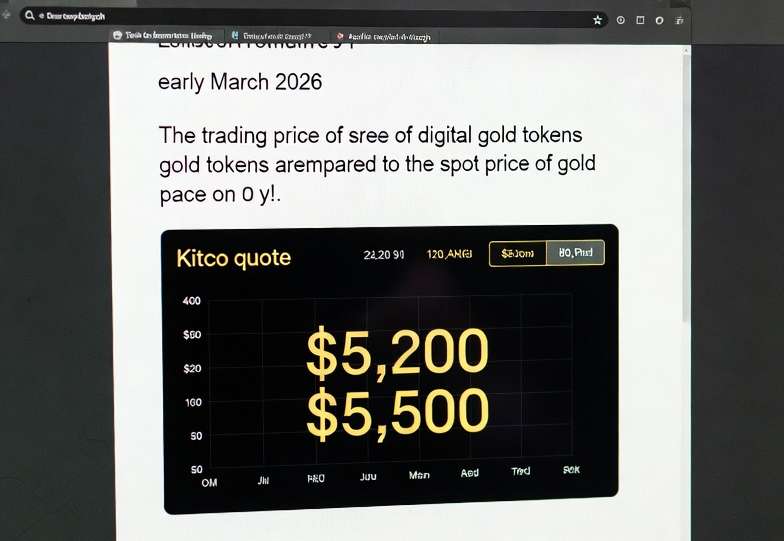
Peter Reagan a noté qu'en début de semaine, les tokens d'or numérique se négociaient au-dessus de 5 500 dollars l'once, selon la cryptomonnaie spécifique. ... à propos de l'or numérique Il se trouve que j'ai vu le prix de l'or tokenisé avant le prix au comptant aujourd'hui. Et je me suis dit : L'or est-il…

Read more

Contraction des stablecoins, capitulation minière et interconnexions multi-actifs

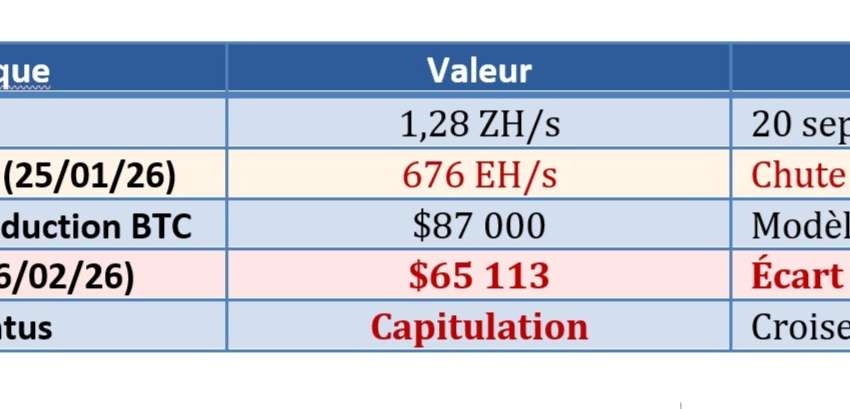
Le marché des actifs numériques subit un resserrement structurel de liquidité, rappelant les crises de FTX (novembre 2022) et le débouclage du carry trade JPY (août 2024). Une modélisation quantitative révèle trois vecteurs de transmission systémique simultanés, une première depuis 2021. Les constats majeurs incluent : une contraction monétaire crypto, avec une baisse de 7,1…

Read more

Analyse post-crash : validation technique du narratif “contraction des stablecoins et mur de liquidité”

L'analyse croisée de nos modélisations et des métriques internes (ratio d'inventaire de liquidité, flux d'échanges) confirme la véracité structurelle et la pertinence macro-économique du texte. Il décrit précisément ce qui est techniquement qualifié de "crise de liquidité inter-marché". 1. Le canal du Shadow Banking Les stablecoins comme USDT et USDC forment la base monétaire…

Read more

The Bearish synchronization on the global markets of January 30, 2026. The DeFi Volatility Amplifier and Crypto-FX Beta Modeling

Our analysis confirms the DeFi amplifier hypothesis: the decentralized finance system functions as a pro-cyclical leverage multiplier, amplifying an FX shock (JPY appreciation) into a crypto liquidity crisis with contagion to traditional markets. The observed correlation, a BTC/USDJPY beta of -3.5x, reveals a three-step transmission mechanism: the unwinding of the carry trade, the collapse of…

Read more

Mechanism of Transmission of the Japanese Bond Crisis to Digital Assets (BTC). Analysis of Financing Liquidity and the Impact of Stablecoins

An unprecedented channel of systemic risk is emerging between Japanese Government Bonds (JGBs) and cryptocurrencies. The rapid normalization of JGB rates leads to a sharp appreciation of the Yen (JPY), triggering a global "Margin Call." This situation is aggravated by the collapse of the JPY carry trade, the flight of liquidity from Japanese platforms, and…

Read more