Analyse de marché
Silver, a unique hybrid asset (monetary, industrial, speculative, linked to energy transition), exhibits higher volatility than gold. Its price is influenced by monetary demand, industrial demand, physical supply, and real interest rates.
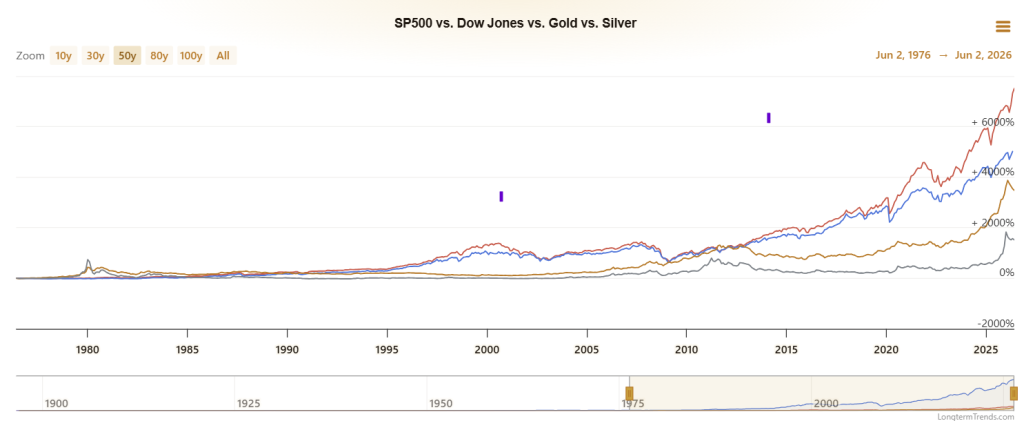
The primary driver, monetary demand, is linked to real interest rates (nominal rates minus inflation). When real rates are negative, the opportunity cost of holding silver decreases, boosting its demand and price. Financial repression, where real rates are lower than nominal growth, also favors silver. Historically, silver often outperforms gold in these phases. Silver acts as a parallel currency, with a high beta to gold, indicating that a rise in gold’s price leads to a proportionally larger increase in silver’s price.
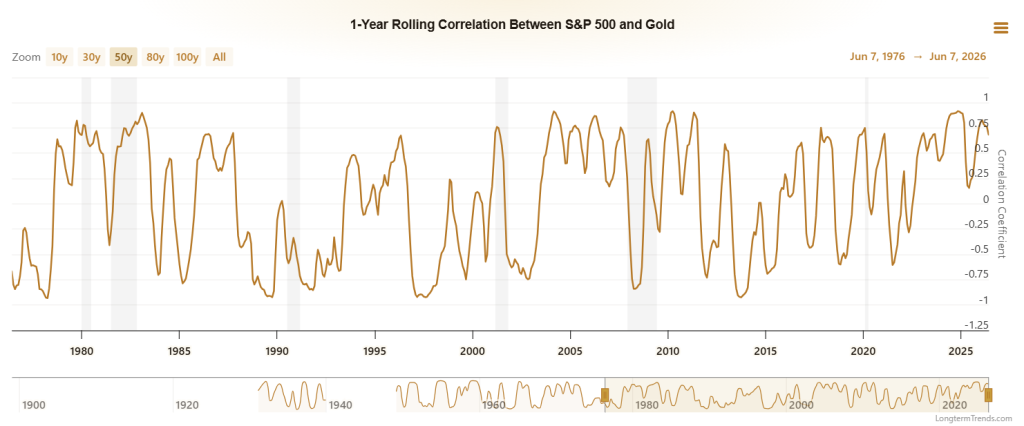
The second driver, industrial demand, is structural in the 2020s. Photovoltaics have become the largest industrial consumer, offsetting the decrease in silver intensity per panel with growth in installations. Data centers linked to AI, due to their increased need for components with excellent electrical conductivity (a key property of silver), represent a new demand driver.
Electric vehicles, consuming more silver than internal combustion engine vehicles, also contribute to this demand. A critical analysis nuances these points. The thesis that the Fed is “trapped” is inaccurate, as it has several tools to manage real rates. The idea that industrial demand never declines is false; it is sensitive to recessions and credit crises.
Finally, a physical deficit does not automatically imply a price increase, as inventories and other financial mechanisms absorb imbalances. The true quantitative model for silver’s price integrates real rates, the US dollar (DXY), ETFs, photovoltaic (PV) demand, electric vehicles (EVs), AI, inventories, mining, and momentum. The scenario matrix shows that silver excels in stagflationary environments, often outperforming gold. However, during extreme liquidity crises (2008, March 2020), silver can fall more sharply than gold. The gold-to-silver ratio (GSR) is a key indicator: a falling ratio signals silver outperformance, while a rising ratio indicates gold outperformance. A long-term equilibrium model suggests that silver demand in 2030 will exceed supply in most scenarios, notably due to the growth in photovoltaic demand, AI infrastructure, electrification, and mining deficits. The key question is not whether there will be a deficit, but what price will be required to balance supply and demand.
In conclusion, the “two drivers” thesis (monetary and industrial) is fundamentally sound. Silver is a hybrid asset offering interesting asymmetric potential, combining an option on debt monetization and on electrification. Its future performance will depend on the evolution of real rates, the gold-to-silver ratio, investments in energy and digital sectors, and the elasticity of its mine supply. It is this complex architecture, rather than simple inflation, that forms the core of its upside potential.