Skip to content Skip to sidebar Skip to footer

Tech

Tech

Artificial intelligence, Semiconductors, Cyber Security, Social Media

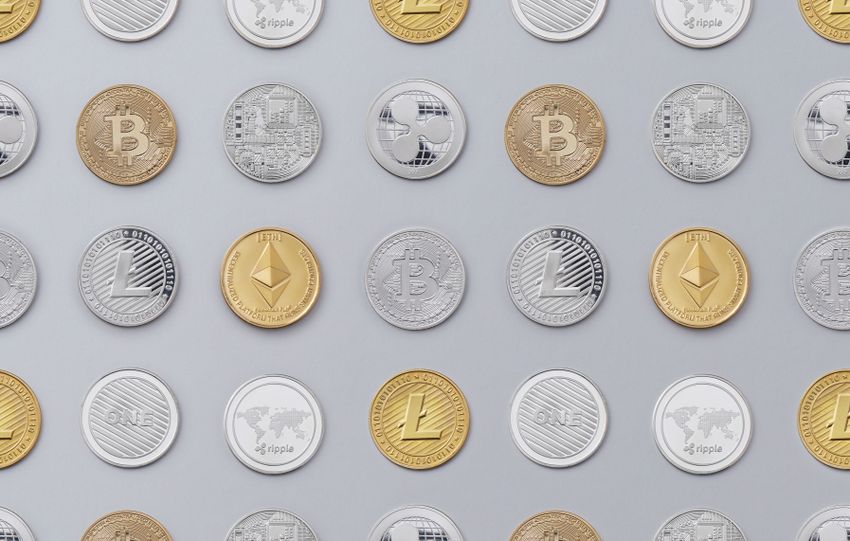
Colorful display of Zcash, Litecoin, and Bitcoin coins on gradient background.

Stablecoins: $315 billion in circulation, zero dynamic reserve ratings. Why this must change

Price is the last indicator to move The stablecoin market has reached a new milestone: over $315 billion in total market capitalization, serving as the backbone of on-chain settlements, with adoption now extending far beyond the crypto ecosystem alone cross-border payments, corporate treasuries, and collateral for tokenized finance. Yet a massive, under-discussed anomaly persists:…

Read more

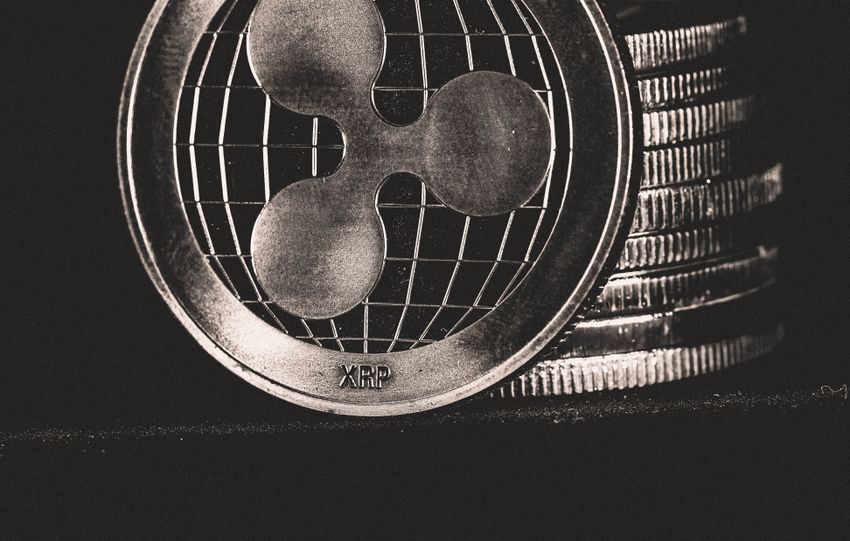
Monochrome image of Ripple coins stacked vertically, symbolizing digital currency.

$315 billion stablecoins: why “trust me” is no longer a reserve policy

The stablecoin market has crossed a symbolic threshold: a market capitalization of over $315 billion. What was, five years ago, a niche tool for crypto traders has become a cash management infrastructure, for funds, fintechs, corporations, and soon, under the effect of the MiCA regulation, for regulated European institutions. Yet the fundamental question remains unchanged:…

Read more

The $16 Trillion Question: Who Measures Tokenization?

The numbers, first. Tokenized real-world assets crossed $30 billion in early 2026, a 300% year-on-year increase : US Treasury debt ($10.7bn), commodities ($5.1bn), private credit ($2.9bn), institutional alternative funds ($2.2bn) leading the mix. Measured against what is coming, $30bn is a rounding error. The 2030 forecasts, by institution: Source2030+ forecastScope noteMcKinsey~$2tnExcludes crypto, stablecoins, deposits,…

Read more

Vector image representing online money transfer going in circles among people on green background

Tokenized Municipal Micro-Bonds

Tokenized Municipal Micro-Bonds. We use the XRPL infrastructure to issue tokenized bonds funded by urban tolls… and local property taxes from specific neighborhoods. Steelldy provides the Risk Engine to rate these micro-bonds in real time via local OSINT. The shift from appreciation tokens to yield structures represents the true institutional inflection point for RWAs. It…

Read more

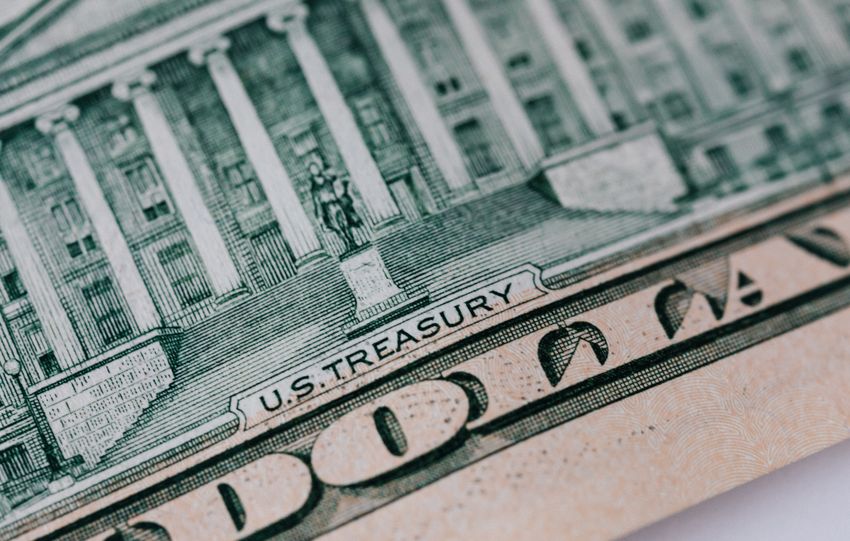
From above ten dollar banknote with inscription and United States treasury building placed on table

RWA Treasuries: The High-Stability, High-Yield Foundation for Modern Crypto Strategies

RWA Treasuries (Sharpe 1.0-1.3 | Volatility 2-3%). Asset representing the tokenization of U.S. Treasury bills (e.g., BUIDL, OUSG). The high Sharpe ratio (1.0-1.3) with negligible volatility (2-3%) makes it the ideal foundation for "Cash-and-Carry" strategies and collateral for HFT strategies. On-Chain Infrastructure and Regulation: The integration of the BIS (tokenization on a unified ledger)…

Read more

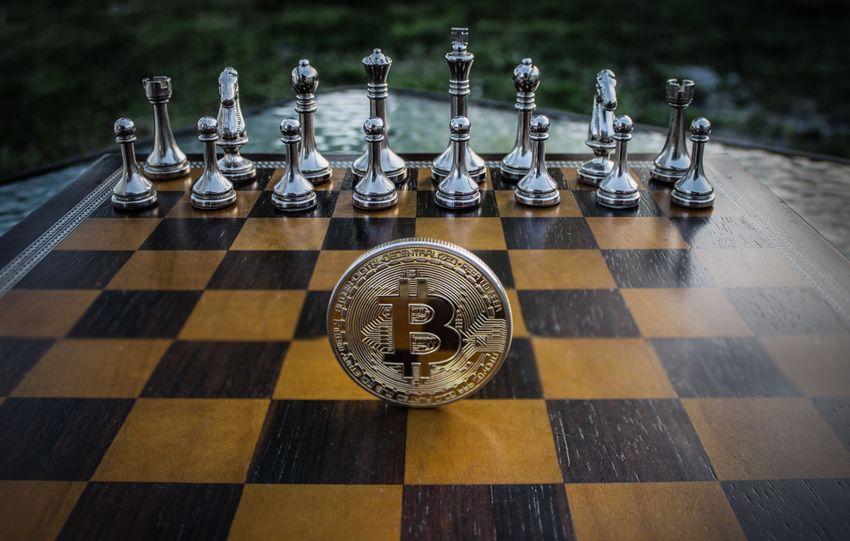
Bitcoin coin standing on a chessboard with silver and brass chess pieces. Concept of strategic digital currency investment.

Beyond the Sharpe Ratio: Why Tail-Risk Hedging Is Essential in Bitcoin’s Fat-Tailed Markets

A long-only Bitcoin strategy with a target Sharpe ratio of 0.8–1.2 and 60–70% volatility is an inherently risky proposition. The asset is high-beta with extreme negative skew and fat tails. While the elevated Sharpe suggests a high risk premium, this masks a pathological risk of ruin during retail capitulation events. The market's inefficiency stems…

Read more

China’s Domestic Immersion DUV Lithography Mass Production

On July 27-28, 2026, The Information and then Reuters confirmed the start of volume production of domestic Chinese deep ultraviolet (DUV) immersion lithography tools by Shanghai Aishengna Electronic Technology Group (a state-owned entity created in 2023, with a capital of approximately 7 billion CNY, integrating teams from Yuliangsheng/SiCarrier-Huawei and SMEE). Target: approximately 5 machines…

Read more

Vertical shot of a modern apartment building with lush terrace gardens and clear sky.

L’IMMOBILIER COGNITIF. SCOREGEX

Un quartier peut générer du G.A.V. par la densité de publicités anxiogènes, le bruit, la pollution, l'insécurité perçue, un manque d'espaces verts et une connectivité excessive. À l'inverse, un quartier « anti-GAV » propose des zones de silence, de nature et de convivialité, réduisant les stimulations négatives. Les nouveaux indices GAV pour Scoregex incluent l’IGE…

Read more