Skip to content Skip to sidebar Skip to footer

Tag: UAE

From above ten dollar banknote with inscription and United States treasury building placed on table

Foreign state and institutional holdings of US Treasuries since the escalation of the Iranian conflict

We use exclusively verifiable public data, collected and processed by our Steelldy Risk Engine 3.4 infrastructure and Bloomberg Intelligence modules: - Treasury International Capital (TIC): Monthly and annual reports, raw and adjusted data for valuation and hedging effects, broken down by country and maturity (source: Treasury.gov). - Official reserve flows: IMF COFER (Currency…

Read more

Oil Market Faces Billion-Barrel Deficit Amid Strait Crisis, Reserves Struggle to Compensate

Estimated losses in the oil market reached 800 million barrels in March-April, growing to 1 billion barrels by mid-May, according to the IEA. This compares to a cumulative intervention of 400 million barrels, including the US. Before the conflict, global observable reserves in February stood at 8,185 million barrels; however, a significant portion is operational,…

Read more

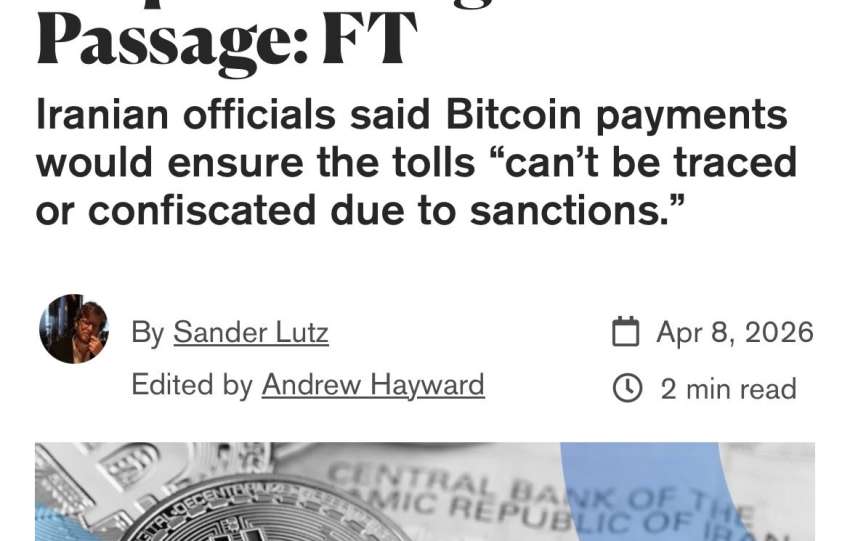
De Facto Tolls Solidify: Iran Moves to Formalize Strait of Hormuz Fees and Transit Bans

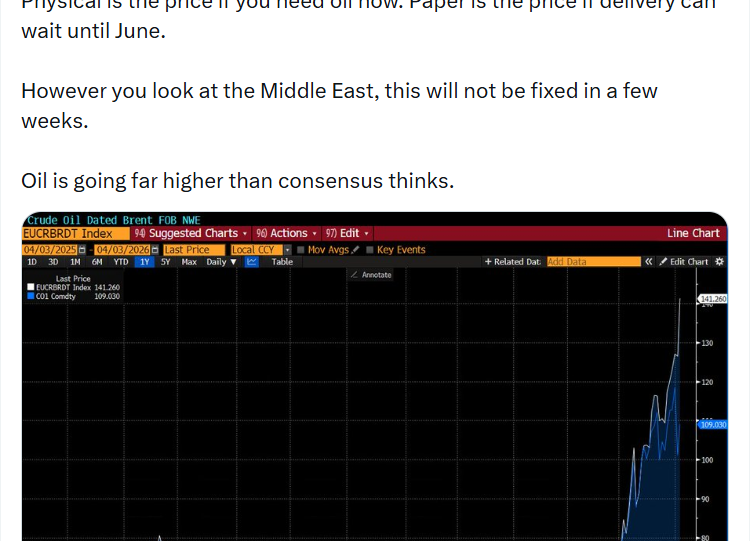
The Brent oil market shows an extreme divergence between the paper price (futures contracts) at $109 and the physical price (spot) at $141, a $32 gap reflecting a strong "backwardation." Normally, future prices are higher than spot prices (contango) due to storage costs; this inversion signals an immediate scarcity of physical oil. The $141 price…

Read more

Explication détaillée du calcul de l’impact du taux de change EUR/USD sur le prix du gazole

L'impact chiffré de €0,08/L attribué à l'effet de change dans notre étude du 2 avril 2026 se réfère à la période de référence 27 février 2026 (pré-crise, T-35 jours) au 1er avril 2026 (T). Ce calcul repose sur une décomposition rigoureuse des composantes du prix à la pompe, isolant la variation du taux de change EUR/USD toutes choses…

Read more

Le cadre réglementaire et fiscale global des stablecoins de pays G20

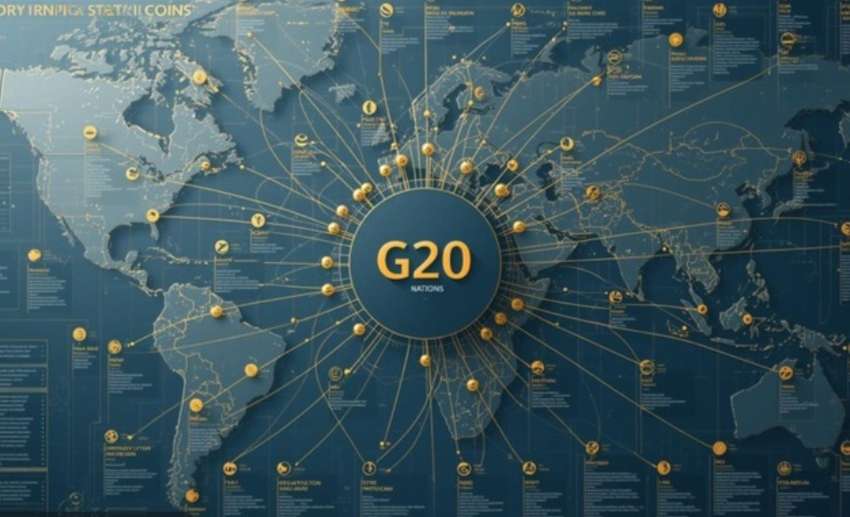
I. RÉSUMÉ EXÉCUTIF. FRAGMENTATION RÉGLEMENTAIRE GLOBALE A. Configuration systémique La fragmentation réglementaire mondiale persiste, car l'absence d'un cadre unifié G20, malgré les recommandations du FSB de 2023, engendre un arbitrage réglementaire transfrontalier massif et des risques systémiques. Les données de la feuille de route FSB/FMI (publiée entre octobre 2024 et octobre 2025) confirment…

Read more