Skip to content Skip to sidebar Skip to footer

Tag: Strait of Hormuz

Modeling the Systemic Consequences of a U.S. Ground Intervention in Iran (Post-March 23-28, 2026)

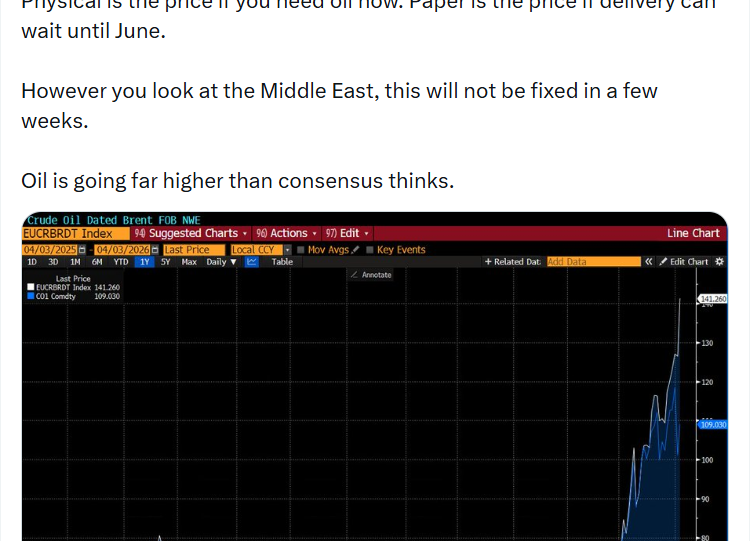
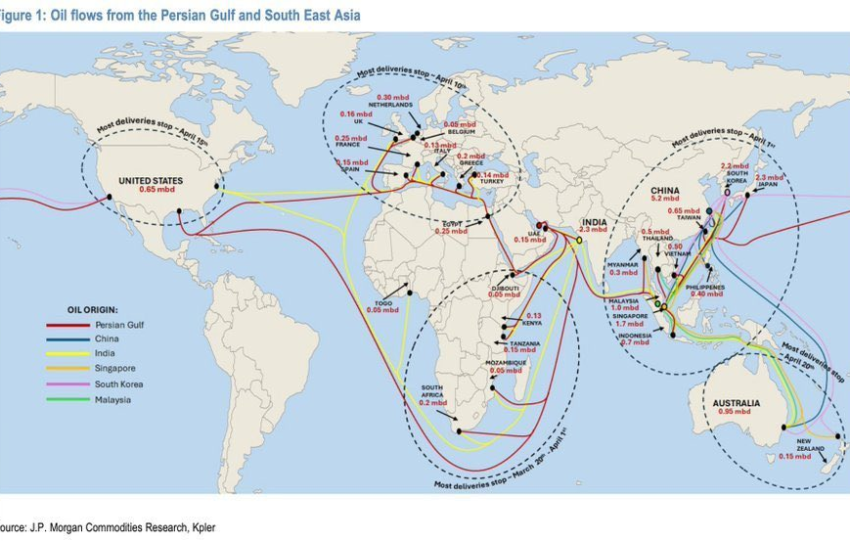
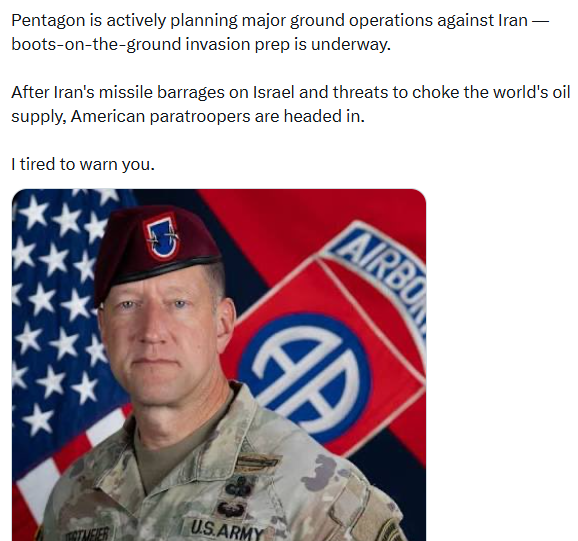
The integration of our analytical data and market signals into our Steelldy-Gotham architecture reveals an imminent regime shift. The US ground intervention in Iran, following the failure of negotiations (March 23-28, 2026), is not a simple military event. It is the final detonator that: (a) Permanently closes the Iranian “Shadow Loop”: Iranian energy credits…

Read more

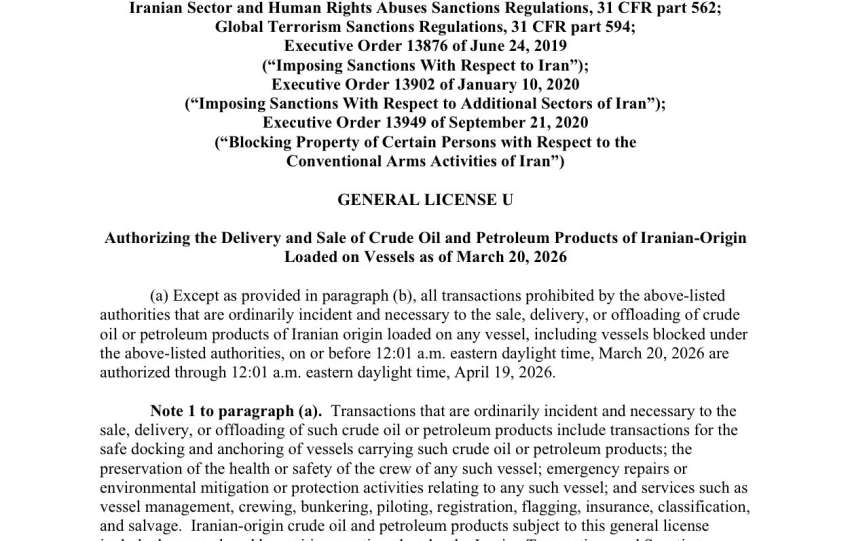
The U.S. Treasury temporarily lifts nearly all sanctions on Iranian oil tankers, allowing exports loaded March 20 – April 19, 2026, signaling a major shift in Iran policy

The U.S. Treasury's General License U (issued March 20, 2026) is explicitly designed to exert downward pressure on oil prices by flooding the market with additional supply at a time when prices have surged over 50% since the U.S.-Israeli conflict with Iran began in late February. Why It Targets Prices The license authorizes the…

Read more

The US Treasury announcement on 03/13/2026 temporarily lifts restrictions on Russian oil

The US Treasury issued a temporary waiver on restrictions for certain stranded Russian oil shipments, announced around March 12-13, 2026, to address global supply disruptions amid escalating tensions with Iran. This 30-day exemption allows countries to purchase and transport Russian crude and petroleum products that were loaded onto ships as of March 12, 2026, with…

Read more

Systemic Revaluation of Tangible Assets: Why Gold and Gold Miners Dominate the Market (“The Great Rotation into Reality”)

The current outperformance of gold (XAU) and mining stocks over the rest of the market (especially technology) is not a temporary anomaly. It results from the "double commoditization" of AI and software, which is destroying the monetization model of intellectual capital. As intelligence becomes a cheap and widely available commodity, the physical resources needed to…

Read more