https://www.steelldy-indices.com
The silver deficit is intensifying, with demand exceeding supply for the sixth consecutive year. According to the Silver Institute, the global market is expected to face a supply deficit of 46.3 million ounces in 2026, bringing the total deficit since 2021 to a staggering 762.1 million ounces. This persistent shortage is notable despite a…
https://www.steelldy-indices.com
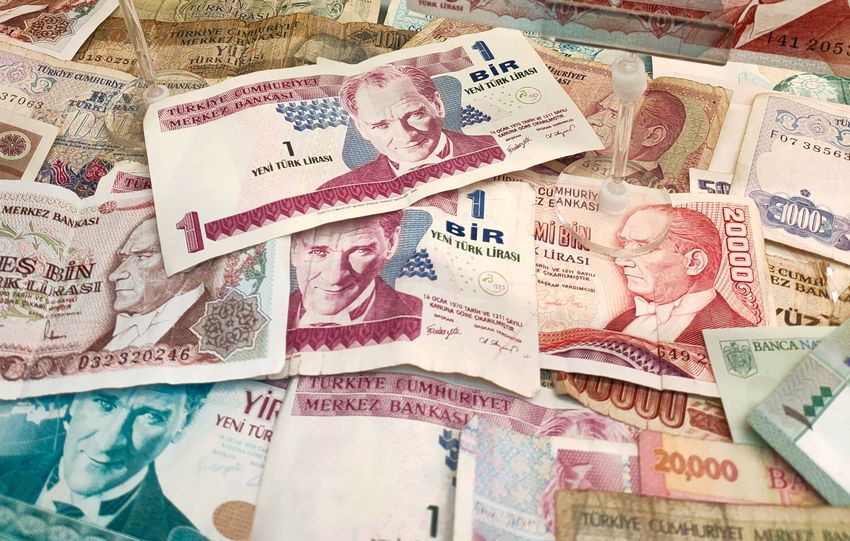
The TRY is no longer a currency; it is an Exotic Option on Credibility. Traditional analysis (GDP, balance of payments) is obsolete. Our framework, based on M. theory and signal processing in "quantitative finance," reclassifies the Turkish Lira not as a currency subject to depreciation, but as a perpetual down-and-out barrier option on the…
https://www.steelldy-indices.com
Over several weeks, financial markets have gradually become convinced that the crisis in the Strait of Hormuz is in the past. Each encouraging statement from the White House is immediately interpreted as evidence that maritime shipping is returning to normal. Algorithms sell oil, short positions strengthen, and there is a consensus that the worst…
Synthetic carbon credit tokens provide derivative exposure to carbon markets (e.g., ICE EUA, voluntary indices) via futures, total return swaps, or oracle-replicated performance, without physical custody or retirement of underlying credits. This delivers operational efficiency (fractionalization, 24/7 liquidity, reduced verification costs) but introduces material counterparty risk (issuer solvency/fulfillment), basis/tracking error risk (deviation from reference index…
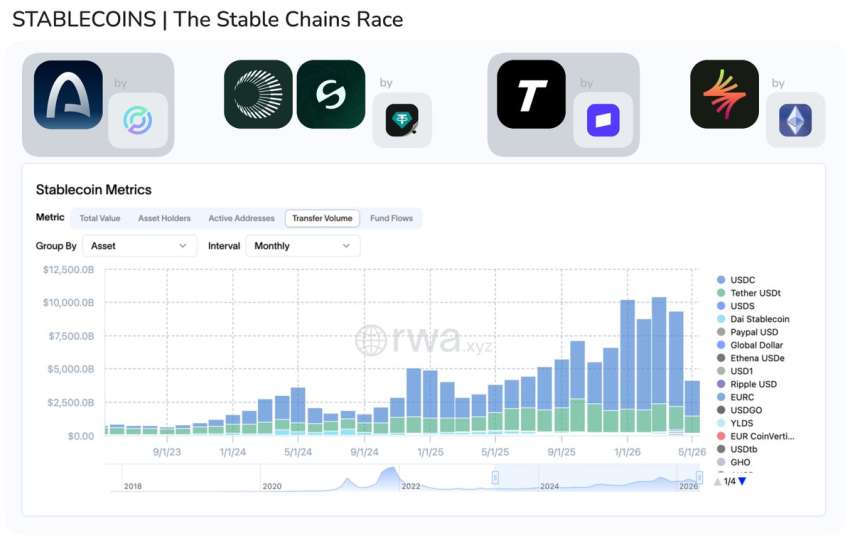
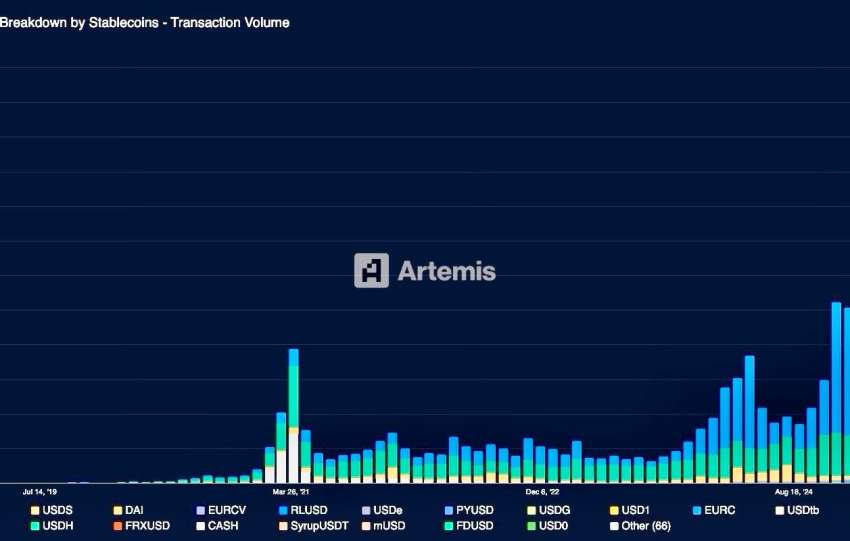
Hedge funds are increasingly adopting new digital currencies, primarily stablecoins, due to enhanced capital efficiency, regulatory clarity, and new yield-generating strategies. 1| Capital Efficiency Unlike traditional prime brokerage where collateral is largely immobilized, stablecoins acting as collateral can simultaneously secure derivative positions (perpetuals, options, futures) and generate yield from underlying assets like T-bills. This "working…
The original Triffin Dilemma (Bretton Woods I) pitted the issuance of international liquidity (USD) against the necessary convertibility into gold, creating a tension between domestic objectives (avoiding inflation) and international objectives (providing reserves). In the Bretton Woods 2.0 framework, the form of this dilemma is rewritten based on strict collateral rules imposed by the GENIUS…
It forms part of the FSB’s broader work on non-bank financial intermediation (NBFI) resilience and assesses structural risks in the repo (repurchase agreement) markets backed by government bonds—the dominant segment of the global repo market.
Market Size and Composition (as of end-2024)
Government bond-backed repo outstanding totaled approximately $16 trillion, representing roughly 80% of…
1. Introduction
L'analyse microstructurelle de l'argent (XAG) en février 2026 révèle une dislocation sans précédent entre les prix "papier" (Futures COMEX) et les marchés de livraison physique (SGE/SHFE). Nous observons une rupture de la loi du prix unique (Law of One Price), induite par une pénurie de stock de catégorie "Investment Grade" et des frictions…
Les récents mouvements de volatilité observés sur les contrats à terme (Futures) de l'or et de l'argent, notamment lors de l'épisode de correction de Janvier 2026, ne sont pas attribuables à des modifications structurelles des fondamentaux de l'offre et de la demande, mais à une dynamique endogène aux marchés dérivés : l'ajustement procyclique des exigences…
L'analyse des flux COMEX (contrats SI pour l'argent et GC pour l'or) signale un changement majeur. Le marché passe d'un instrument de couverture/spéculation à règlement financier vers un modèle basé sur l'inventaire physique. Le ratio η (livraisons / Intérêt Ouvert Max) dépasse des seuils critiques, montrant que les acteurs utilisent désormais le contrat futur non…
Analyse de marché