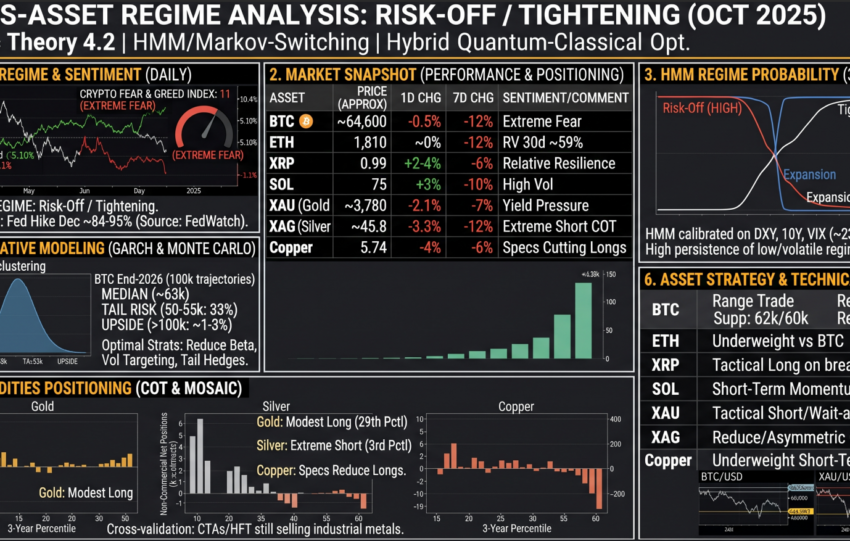
Our report describes a pronounced risk-off, higher-for-longer macroeconomic regime on 21 November 2026, driven by hawkish Federal Reserve expectations, elevated inflation and real yields, falling equities, and a VIX of ~36. Extreme crypto fear and synchronized pressure on precious and industrial metals reinforce the unfavorable environment for non-yielding assets.
Risk-Off Market Regime and Trading Strategies…
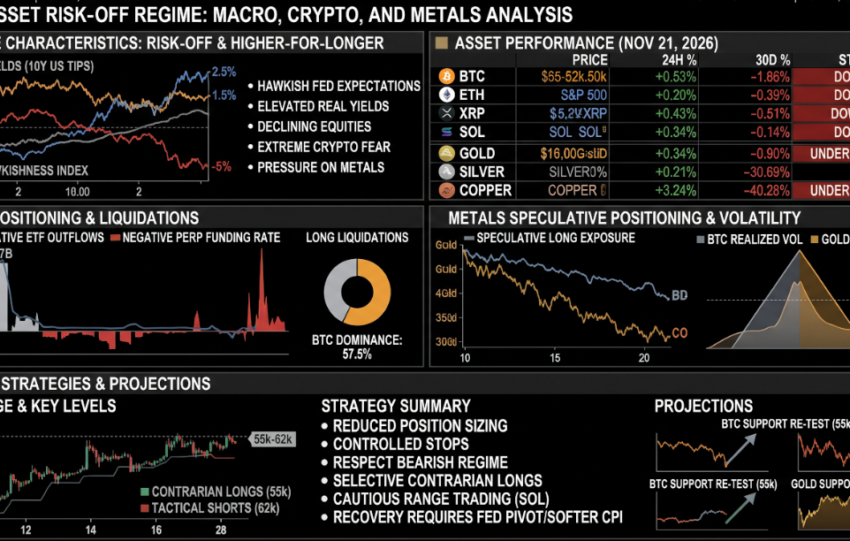
The dominant macro regime is risk-off with rising real rates: DXY is strong, 10Y US yields are around 5.10%, and December Fed hike expectations are high at roughly 84-95% per prediction markets and FedWatch. Crypto is in Extreme Fear (Fear & Greed index ~11) with a major drawdown from 2025 highs. Precious metals and copper…
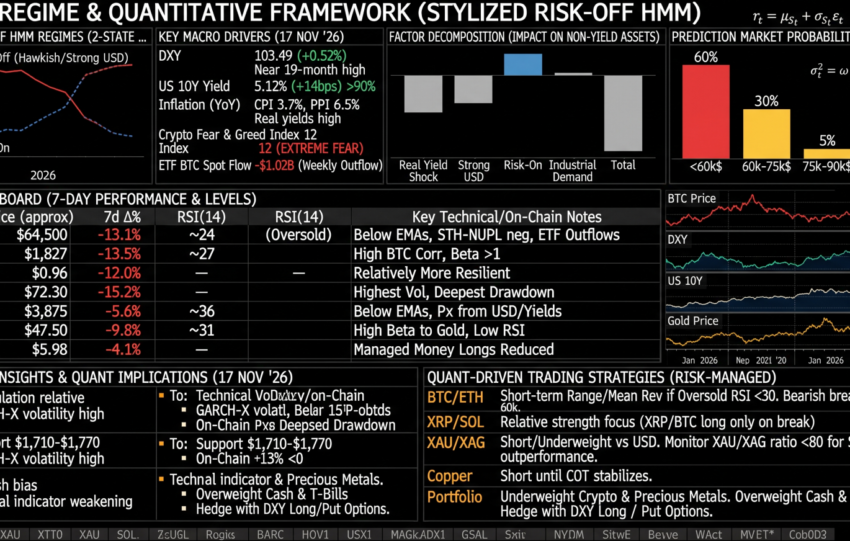
The current macro regime (17 Nov. 2026) and its implications for crypto assets (BTC, ETH, XRP, SOL) and metals (XAU, XAG, copper), with quantitative modeling and ... strategies. Methods Regime identification: Markov-switching HMM with 2–3 states (Risk-On / Risk-Off), using DXY, US 10Y yields, Fed rate hike probability >90% (CME FedWatch), CPI ~3.7%, PPI ~6.5%…
The framework is a two-regime Markov model with observable states, not a calibrated HMM
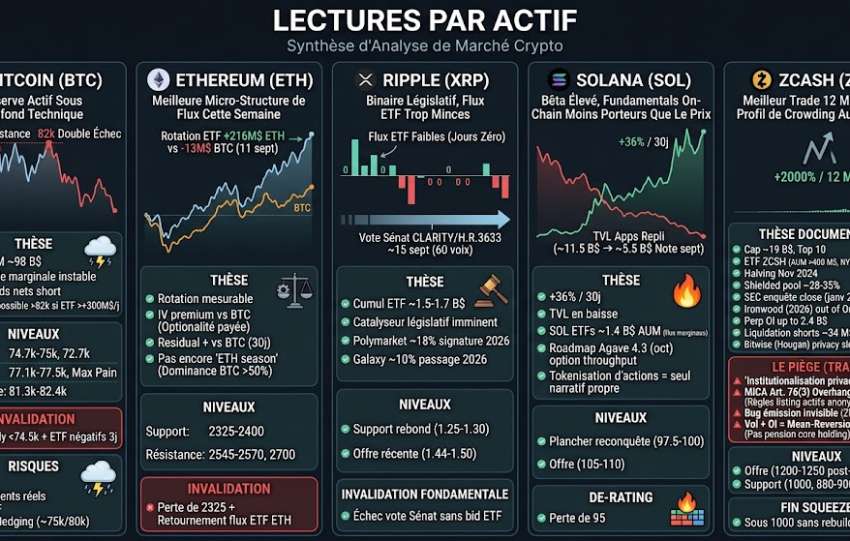
Regime 1 (Liquidity risk-on) is indicated by positive 5-day net $BTC / $ETH ETF flows, declining $DXY, funding below 0.03% per 8 hours, and BTC above 77.1k then 81.3k.
It implies overweighting ETH/ $SOL relative to BTC, with only reduced $ZEC…
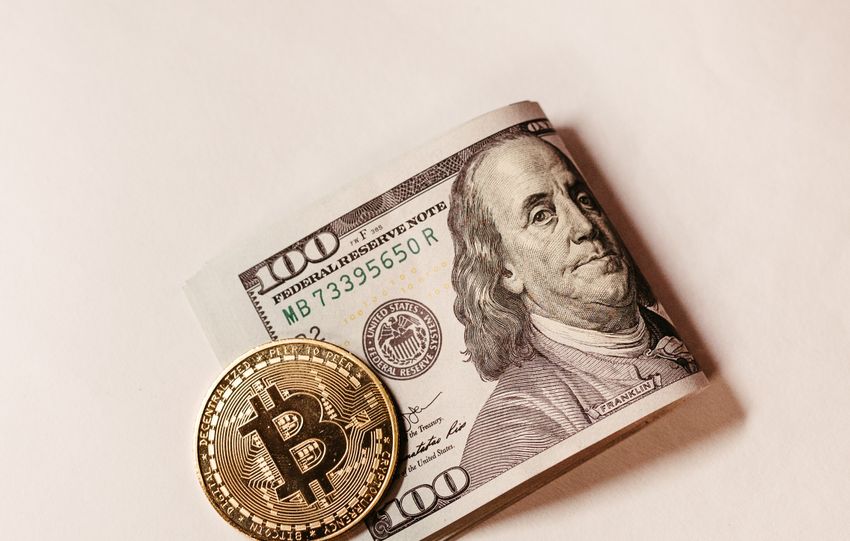
Dollar-backed stablecoins have become a dual-use instrument of U.S. economic power, extending the dollar's reach into markets where correspondent banking is weak or blocked while giving Washington new control points over issuers, reserves, and token freezes. Key data shows 90-98% of the stablecoin market is dollar-denominated, with Tether holding ~$141 billion in U.S. Treasury exposure,…
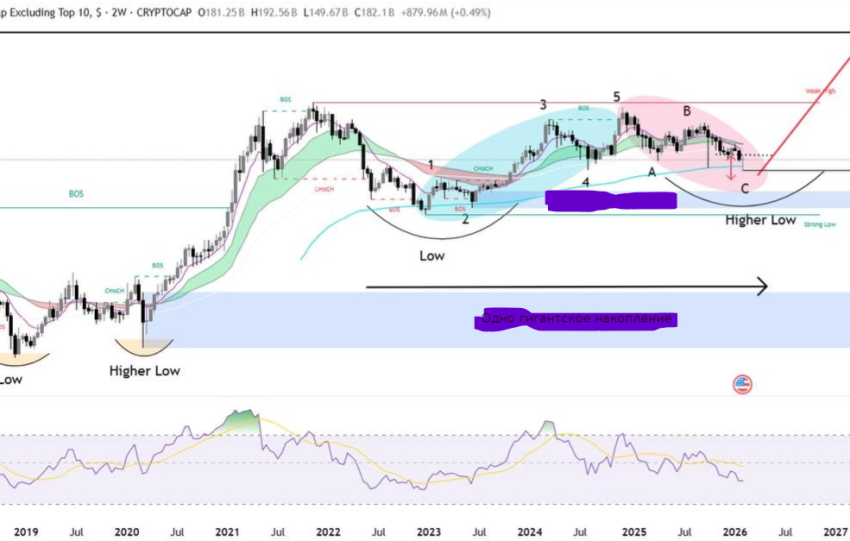
Cette étude analyse la dynamique structurelle du marché des altcoins (capitalisation totale excluant le top 10) à travers le prisme de la théorie de Wyckoff et de la modélisation des régimes de marché. Notre analyse technique et quantitative révèle une phase d'accumulation institutionnelle de plus de 24 mois, caractérisée par une série de Higher Lows…
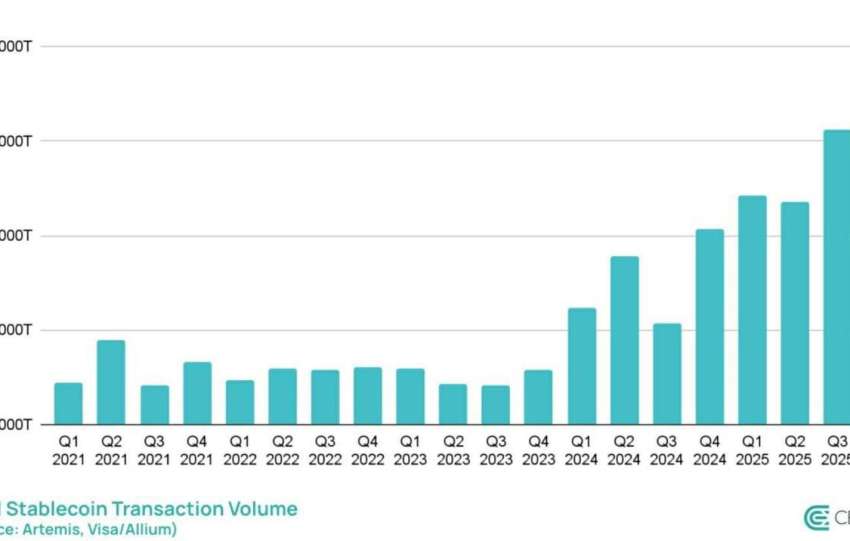
Au troisième trimestre 2025, le volume des échanges de stablecoins a grimpé à un niveau sans précédent de 15,6 billion de dollars, avec 71% de ces transactions attribuées aux robots de trading. Néanmoins, les experts estiment que l'usage des stablecoins par les investisseurs individuels se dirige vers une année qui pourrait être la plus significative…
Analyse de marché