Skip to content Skip to sidebar Skip to footer

Tag: RWA tokenization

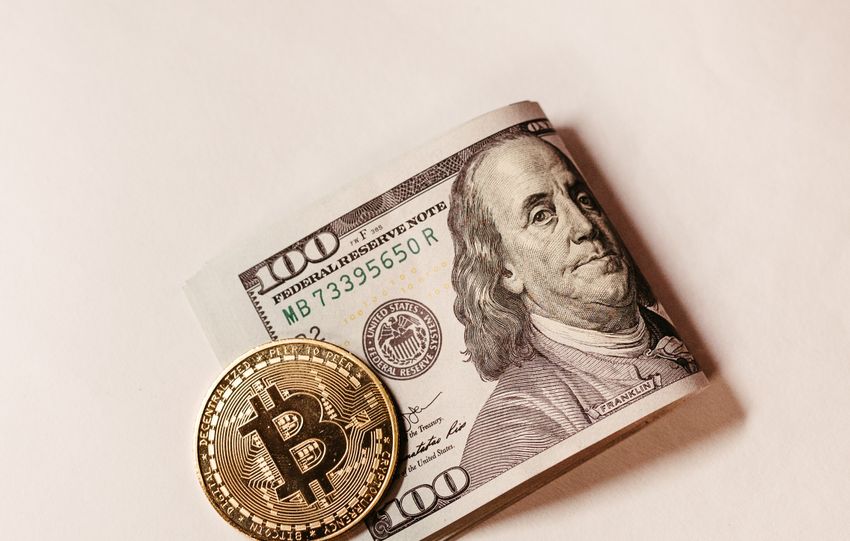
Bitcoin coin placed over US dollar note symbolizes digital vs traditional currency.

Dollar-backed stablecoins, neo-mercantilist regime, and energy constraints. Implications for digital assets and investment strategies

Dollar-backed stablecoins have become a dual-use instrument of U.S. economic power, extending the dollar's reach into markets where correspondent banking is weak or blocked while giving Washington new control points over issuers, reserves, and token freezes. Key data shows 90-98% of the stablecoin market is dollar-denominated, with Tether holding ~$141 billion in U.S. Treasury exposure,…
Read more

Smoke billows from factory chimneys in Konin, Poland, highlighting pollution and environmental impact.

Navigating the Nuances: Synthetic Carbon Credits and Their Hidden Dangers

Synthetic carbon credit tokens provide derivative exposure to carbon markets (e.g., ICE EUA, voluntary indices) via futures, total return swaps, or oracle-replicated performance, without physical custody or retirement of underlying credits. This delivers operational efficiency (fractionalization, 24/7 liquidity, reduced verification costs) but introduces material counterparty risk (issuer solvency/fulfillment), basis/tracking error risk (deviation from reference index…

Read more

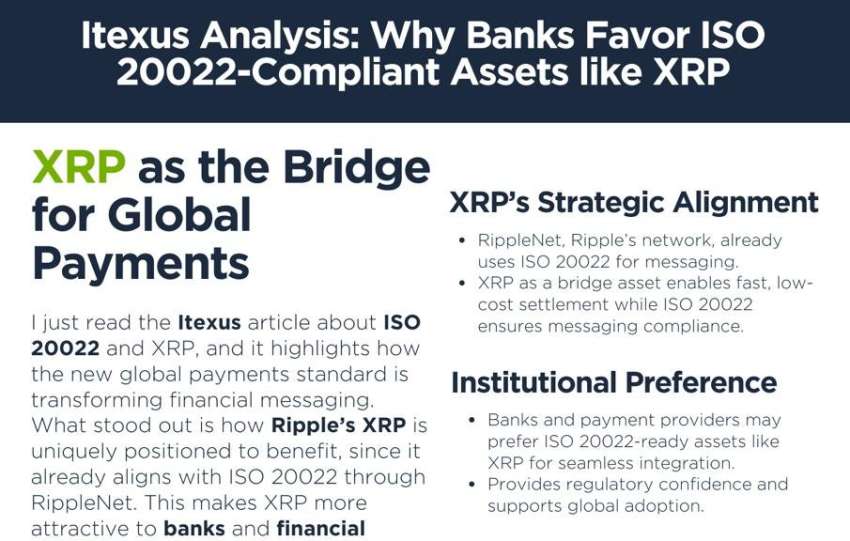
Interoperable Tokens (XRP/QNT/COTI), RWA Tokenization, and Gold-Backed Stablecoins

(1) XRP — Settlement Layer and Liquidity Bridge XRP serves as a neutral liquidity bridge between different fiat currencies and tokenized assets. The arrival of seven US spot XRP ETFs (approximately $1 billion in AUM) signals progressive institutionalization. Demand for XRP structurally stems from the volume of transactional flows, which creates continuous buying pressure…

Read more