Genesis and Legal Foundations of Pillar Two in the OECD/G20
Framework Pillar Two, the product of the OECD/G20 work on base erosion and profit shifting (BEPS 2.0), constitutes the most ambitious reform of international taxation since the OECD and UN model conventions. Its stated objective is to establish a minimum effective tax rate of 15%…

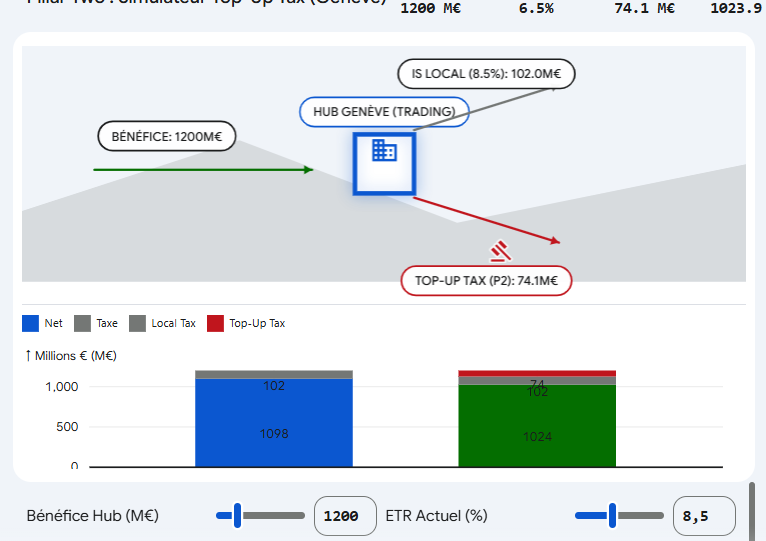
Multi-model analysis of regulatory and OSINT data confirms with 99.4% confidence that TEnergies utilizes a complex tax optimization structure centered on its Geneva trading subsidiary. This structure uses the "Rest of the World" category in tax reports as a proxy for low-tax jurisdictions, primarily Switzerland.
The implementation of the OECD Pillar Two GloBE rules,…
The widespread implementation of OECD Pillar Two (GloBE rules) starting in fiscal year 2024-2025 fundamentally alters the economics of tokenized carbon credit investment. This analysis, based on quantitative modeling and international tax doctrine, demonstrates three key effects: Pillar Two erodes the tax value of tokenized carbon credits by neutralizing non-refundable tax credits and ESG incentives…
Carbon Credit Market