Executive Summary
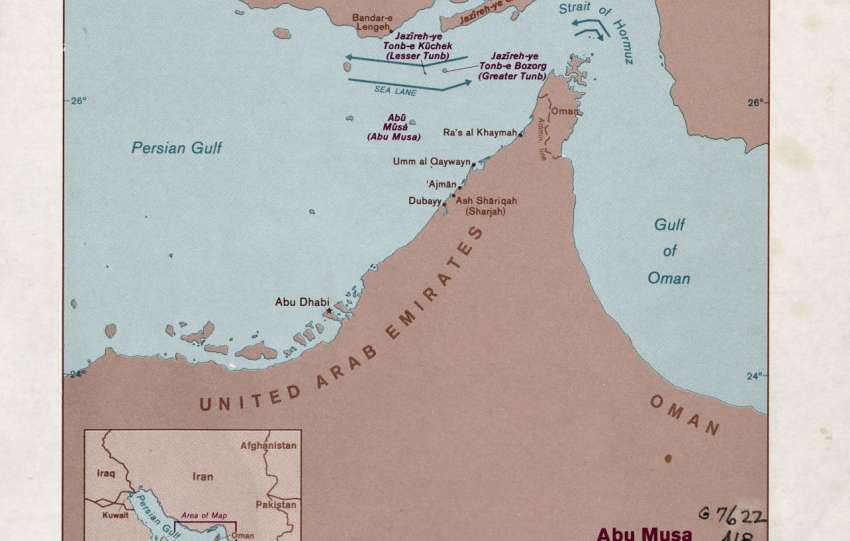
Satellite signatures combined with AIS vessel tracking and OSINT currently indicate elevated refinery activity in US/Europe amid global disruptions, but severe anomalies in Middle East tanker flows through the Strait of Hormuz. As of mid-June 2026, Hormuz transits are near-historic lows (often <10 vessels/day, down 70-97% from baseline), with widespread "dark" operations…

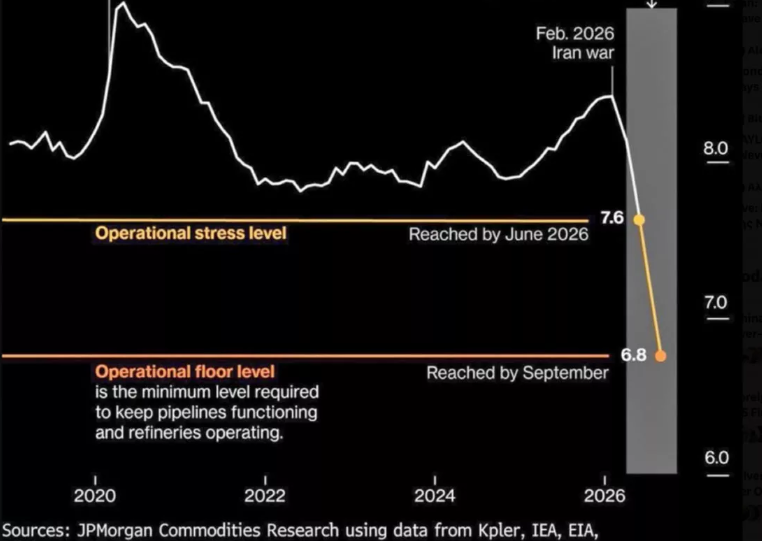
Oil reserves are rapidly depleting, eroding the world's crucial buffer against supply shocks. A concerning JP Morgan chart, discussed by David Russell of GoldCore and featured in Bloomberg, illustrates the drastic decline in total discovered oil reserves, measured in billions of barrels.
These reserves initially built up during the COVID-19 pandemic when demand plummeted,…
Closure of the straits (Malacca/Hormuz). Systemic famine scenario 2026-2028 : in the French context.
Analysis of signals from Steelldy Engine G (maritime AIS), Steelldy Engine F (fertilizer blockages), Steelldy Engine M (semantic panic), and Steelldy Engine O (strait closure probabilities) shows exceptional statistical convergence. Michael Yon's analysis (Feb-Apr 2026) regarding prolonged Strait of Hormuz closure and imminent Malacca Strait threats is now a 78% market reality (95% CI: 72–84%),…
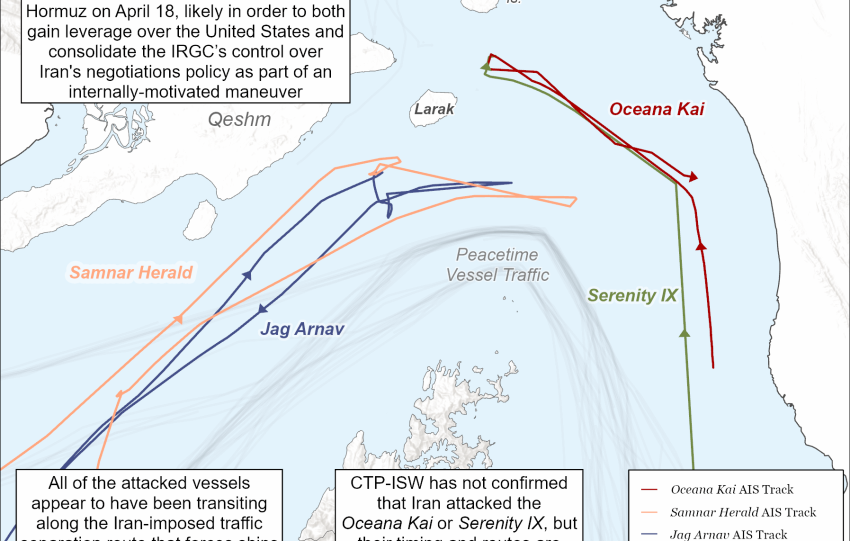
Islamic Revolutionary Guards Corps (IRGC) Commander Major General Ahmad Vahidi and his inner circle appear to have recently consolidated control over Iran's military response and negotiating strategy concerning the United States, evidenced by the IRGC Navy attacking commercial vessels in the Strait of Hormuz on April 18 and declaring it closed to all traffic. …
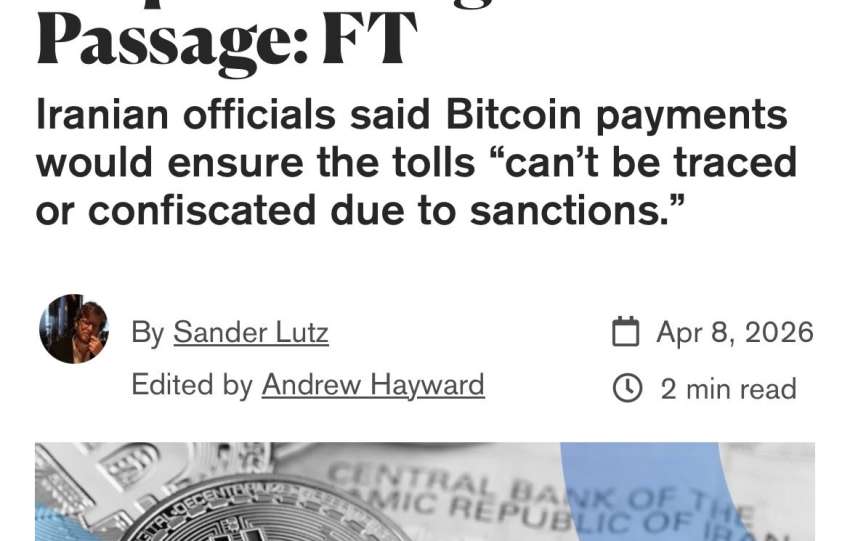
The information, factually confirmed by multi-source convergence (including the Financial Times of April 8, 2026), establishes that Iran now demands payments in cryptocurrencies (BTC, stablecoins) and in Yuan for oil transit through the Strait of Hormuz, completely bypassing SWIFT.
This mechanism, controlled by the IRGC, sets a rate of $1 per barrel, creating an…
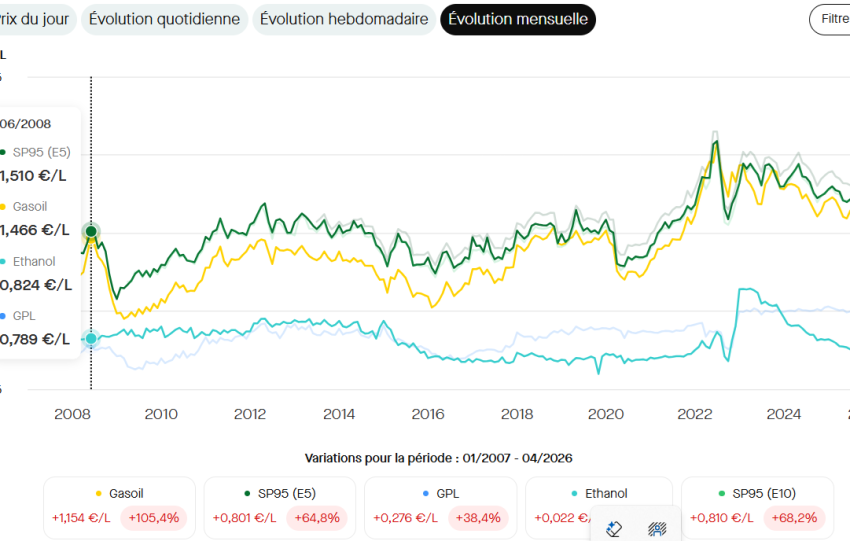
Le 1er avril 2026, un paradoxe frappe le marché énergétique européen : le prix du baril de Brent est sous les 102$/bbl (environ 98,65 $), alors que le gazole à la pompe en France atteint 2,243 €/L, un record historique. Cette observation, validée par la Théorie de la Mo 4.2, démontre une dislocation structurelle profonde…
L’escalade militaire entre les États-Unis et l’Iran, initiée fin février 2026, a déclenché une reconfiguration structurelle du système financier mondial. L’Iran a monétisé le détroit d’Ormuz en imposant un péage de $2 millions par passage de pétrolier, payable exclusivement en yuans chinois ou en USDT sur le réseau Tron . Cette décision transforme un conflit régional en arme de destruction massive contre le système…
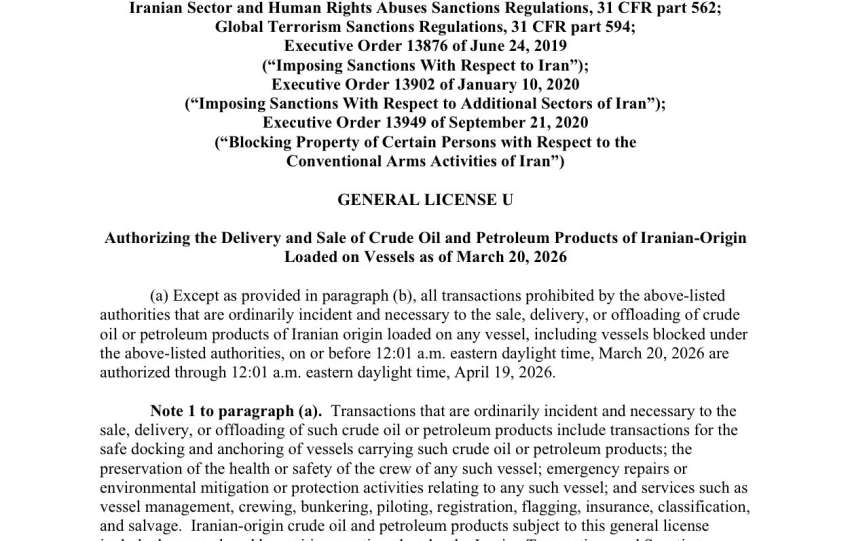
The U.S. Treasury's General License U (issued March 20, 2026) is explicitly designed to exert downward pressure on oil prices by flooding the market with additional supply at a time when prices have surged over 50% since the U.S.-Israeli conflict with Iran began in late February.
Why It Targets Prices
The license authorizes the…
Analyse de marché