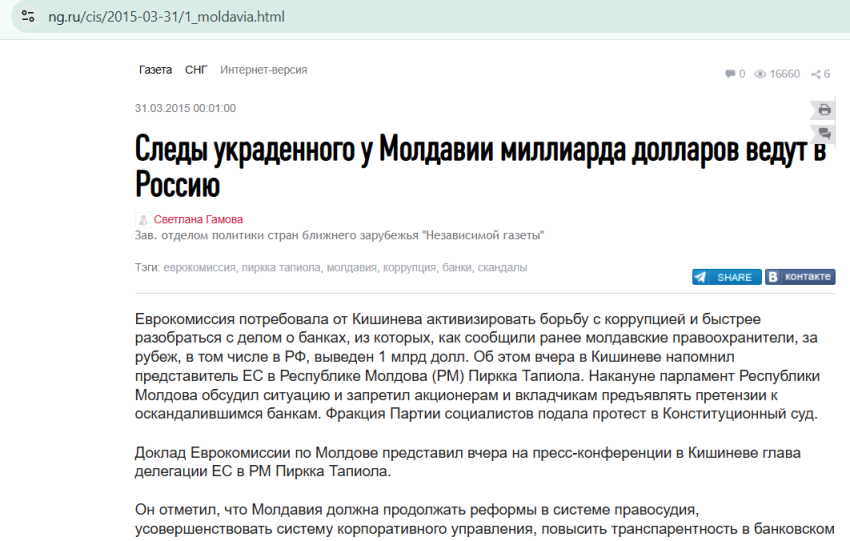
Les trois banques russes Gazprombank, Alef Bank et Interprombank (Алеф-Банк, АКБ «ИНТЕРПРОМБАНК» и Газпромбанк) n’ont pas "volé" le milliard moldave, mais elles ont facilité techniquement le mécanisme de fraude en fournissant des dépôts overnight (dépôts à vue d’un jour, sans intérêt) aux trois banques moldaves impliquées (Banca de Economii, Unibank, Banca Socială), ce qui a…
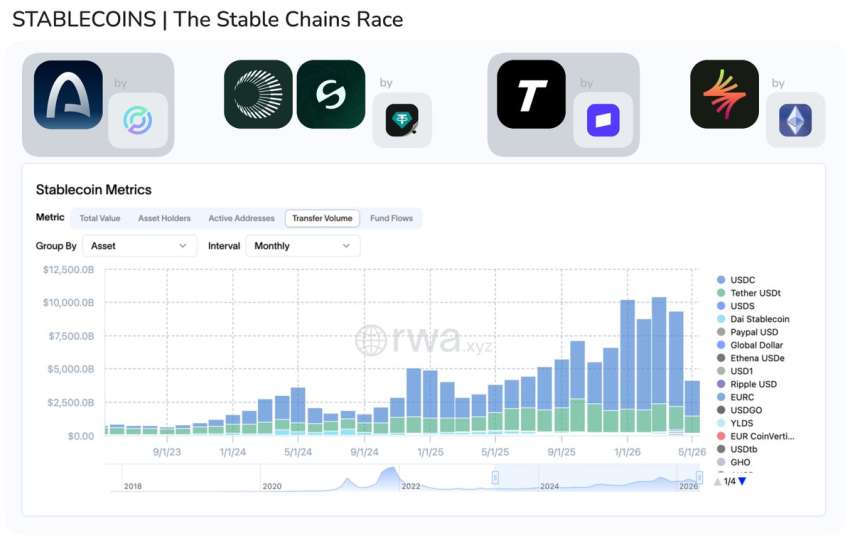
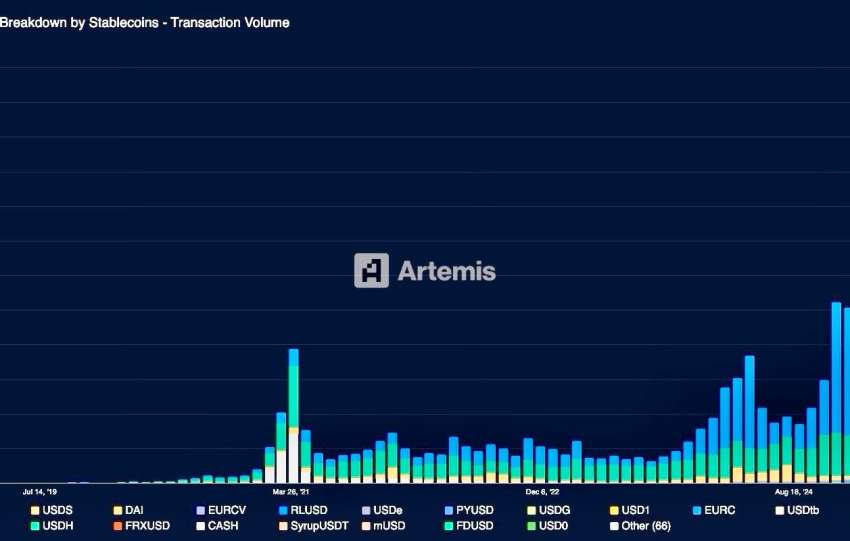
Dollar-backed stablecoins have become a dual-use instrument of U.S. economic power, extending the dollar's reach into markets where correspondent banking is weak or blocked while giving Washington new control points over issuers, reserves, and token freezes. Key data shows 90-98% of the stablecoin market is dollar-denominated, with Tether holding ~$141 billion in U.S. Treasury exposure,…
Private credit funds face significant 2026 risks from two AI-related channels: disruption to software borrowers and demand shortfalls in AI infrastructure. These are compounded by liquidity mismatches, sector concentration, and ties to insurers and pensions. Non-bank direct lending, via vehicles like BDCs, has heavily expanded into both areas, heightening vulnerability.
Two Primary AI-Related Risk…
EXECUTIVE SUMMARY. QUANTITATIVE FINANCE
Contagion in AI financing cannot be understood through valuation levels or even growth rates. It is grasped through the counterparty dependency structure and the second derivative of infrastructure spending.
Our cross-analysis shows:
¤ The central risk is not the disappearance of AI demand, but the existence of a…
X Money, operated by X Payments LLC, is not a bank but a licensed money transmitter. It partners with Cross River Bank for deposits and banking services. While many state licensing barriers are cleared, it faces ongoing scrutiny of its banking partner, political and consumer-protection pressures, and structural risks from its social-media integration and Banking-as-a-Service…
Hedge funds are increasingly adopting new digital currencies, primarily stablecoins, due to enhanced capital efficiency, regulatory clarity, and new yield-generating strategies. 1| Capital Efficiency Unlike traditional prime brokerage where collateral is largely immobilized, stablecoins acting as collateral can simultaneously secure derivative positions (perpetuals, options, futures) and generate yield from underlying assets like T-bills. This "working…
The GENIUS Act mandates stablecoin issuers to hold 100% reserves in cash or T-bills with maturity ≤ 93 days. This creates a mechanical demand for T-bills, making them the collateral commodity for the new system.
By mid-2025, Tether and Circle held $160 billion in T-bills, exceeding most sovereign nations' holdings, which mechanically compresses short-term…
The original Triffin Dilemma (Bretton Woods I) pitted the issuance of international liquidity (USD) against the necessary convertibility into gold, creating a tension between domestic objectives (avoiding inflation) and international objectives (providing reserves). In the Bretton Woods 2.0 framework, the form of this dilemma is rewritten based on strict collateral rules imposed by the GENIUS…
1. Cadre conceptuel. L’interopérabilité stablecoins-RWA comme condition sine qua non du scaling de la finance parallèle
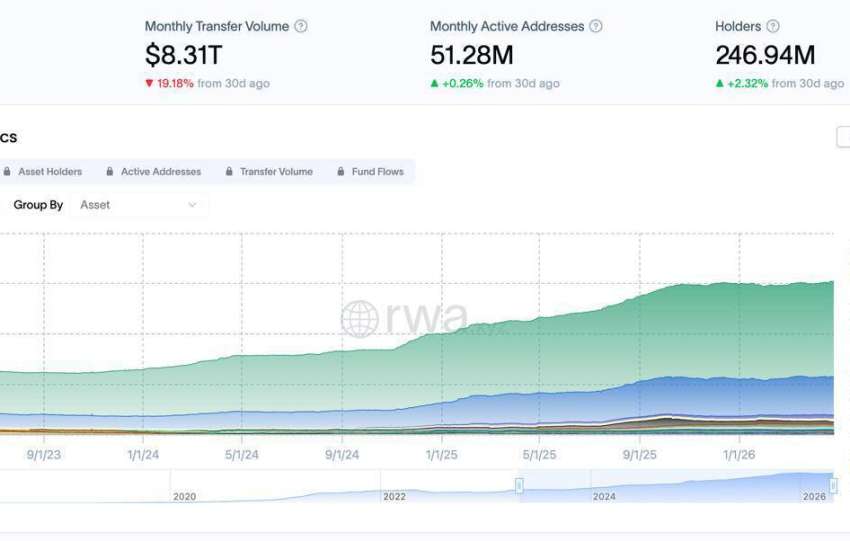
L’interopérabilité entre stablecoins (USDT/USDC dominance >85 % du marché, MC ~300 Md$ au 27/03/2026) et RWA tokenisés (TVL distribuée ~26,63 Md$ ex-stablecoins, rwa.xyz) constitue le pont programmable entre liquidité fiat-native et actifs réels fractionnables. Elle transforme les stablecoins…
1. RÉSUMÉ EXÉCUTIF
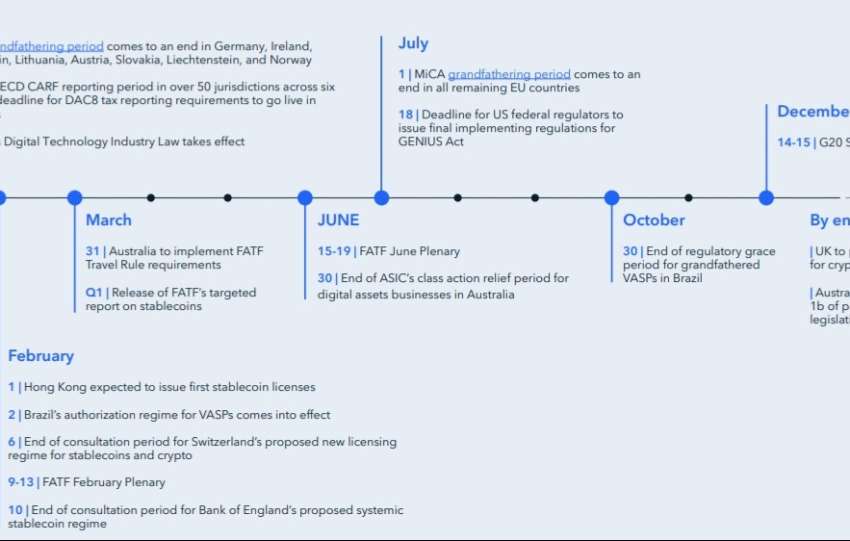
L'année 2026 représente un tournant majeur pour les actifs numériques avec la finalisation des cadres réglementaires clés (MiCA, GENIUS Act) et l'application uniforme des règles mondiales (OCDE CARF, FATF Travel Rule). Cela engendre un système régulatoire dual : les juridictions matures (UE, UK, etc.) passent à une surveillance continue, avec un risque…