Synthetic carbon credit tokens, as derivative instruments replicating reference indices (ICE EUA, voluntary composites) via futures, total return swaps (TRS), or oracle-based smart contracts, diverge fundamentally from physical credits in fiscal characterization. Physical credits are generally treated as intangible property (capital assets under IRC analogies or inventory), while synthetics lean toward Section 1256 contracts (mark-to-market,…

Synthetic carbon credit tokens provide derivative exposure to carbon markets (e.g., ICE EUA, voluntary indices) via futures, total return swaps, or oracle-replicated performance, without physical custody or retirement of underlying credits. This delivers operational efficiency (fractionalization, 24/7 liquidity, reduced verification costs) but introduces material counterparty risk (issuer solvency/fulfillment), basis/tracking error risk (deviation from reference index…
This study details an advanced quantitative modeling of a conditional hedge for a crypto-exposed portfolio, employing Micro E-mini Nasdaq-100 (MNQ) futures contracts as the hedging instrument. The calibration is based on a dynamic conditional beta of BTC/Nasdaq at 0.45, estimated using a multivariate DCC-GARCH(1,1) model with Markov regime switching. Key Findings:
¤ Minimum Variance Hedge…
1. Introduction
L'analyse microstructurelle de l'argent (XAG) en février 2026 révèle une dislocation sans précédent entre les prix "papier" (Futures COMEX) et les marchés de livraison physique (SGE/SHFE). Nous observons une rupture de la loi du prix unique (Law of One Price), induite par une pénurie de stock de catégorie "Investment Grade" et des frictions…
Is the era of paper gold over?
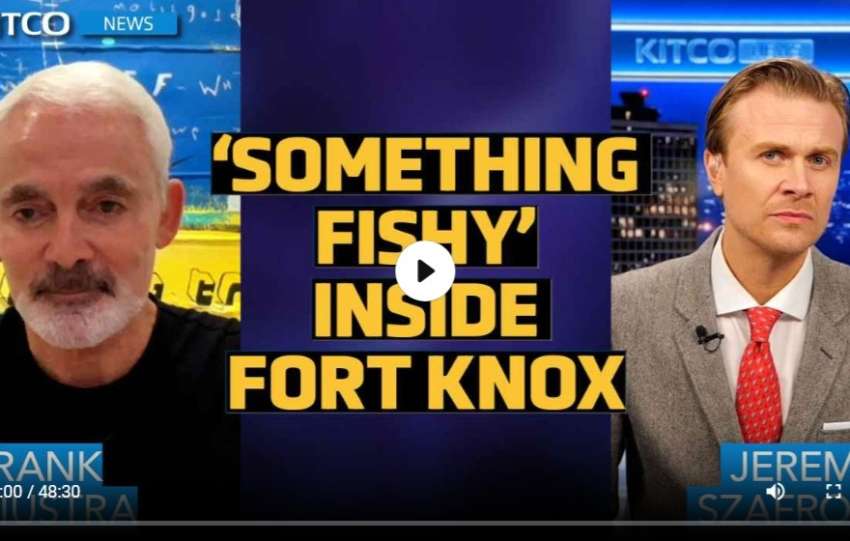
The massive sell-off that shook the precious metals markets last week was not a standard correction, but a planned "liquidity event" and a "crash," according to mining magnate Frank Giustra, who warns that the 50-year dominance of "paper gold" prices is coming to a chaotic end. …
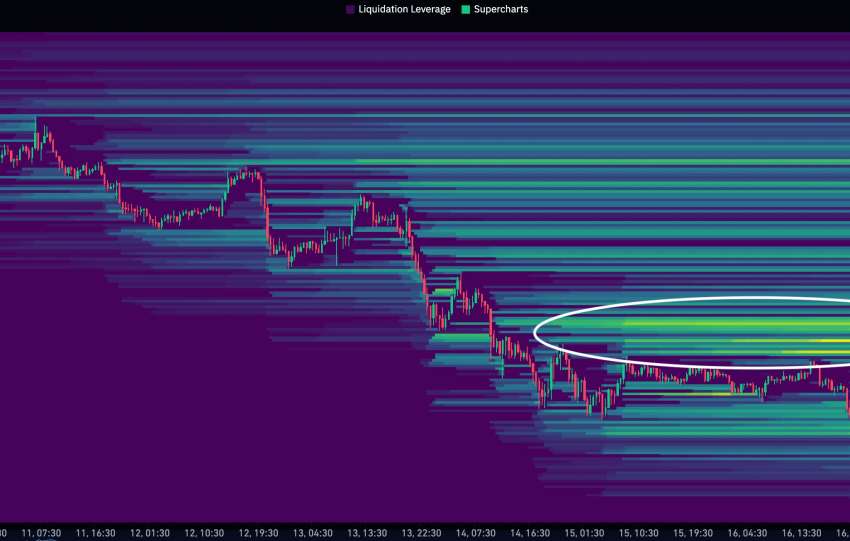
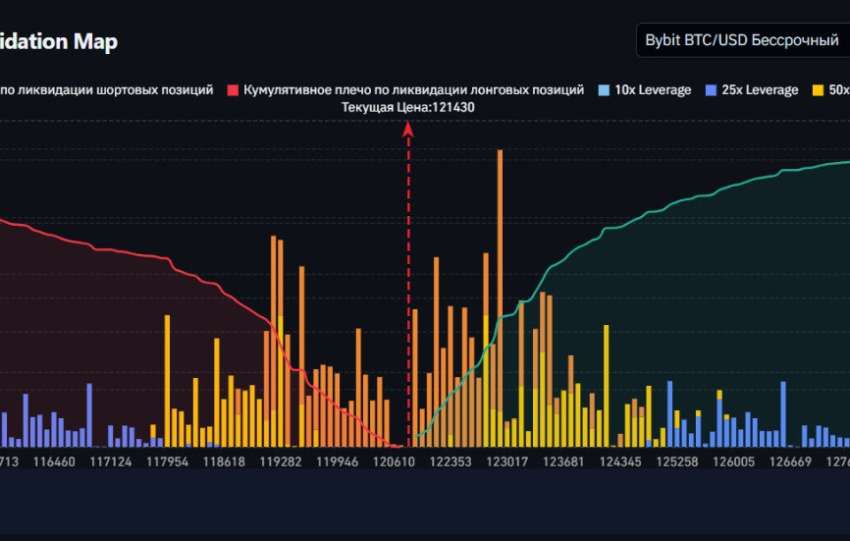
Le Bitcoin a testé ce matin $89 426, son plus bas depuis avril 2025 avant de rebondir à $91 205. Cette action de prix s'inscrit dans un contexte de short squeeze imminent, confirmé par :
¤ Liquidity grab massif dans la zone $89–92K ¤ Accumulation institutionnelle : +3,8 % par les whales sur 60…
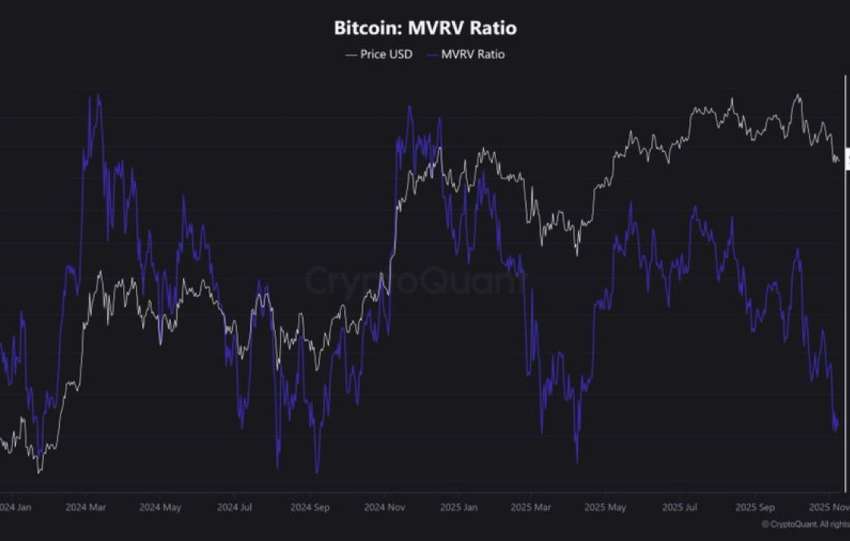
The MVRV ratio of 1.80 at $99,906 USD is a strong buy signal, but it must be interpreted in the context of a systemic liquidity crisis and a structural market transformation. It is a tactical trading opportunity, not a long-term investment signal without caution.
I. TECHNICAL DECRYPTING: MVRV AT 1.80 IS A BUY SIGNAL, BUT…
La cassure du support $120K invalide la tactique d'entrée immédiate ($120K−122K) et la timeline "48-96h", tout en validant la nécessité d'une purge que nous avions anticipée dans notre scénario de Correction & Continuation.
Le marché a fait le "Long Sweep" brutal que nous redoutions. Le prix actuel de $117,822 nous place en pleine zone de…
❶ Le droit fiscal suisse autorise les holdings détenant ≥10 % de participation ou ≥1 M CHF de valeur comptable. Elles profitent d’une exonération quasi‑totale des dividendes et plus‑values (art. 28 LIFD) dès qu’elles possèdent une substance réelle (personnel, bureau, comptabilité). ❷ Le trading actif est permis ; les bénéfices sont imposés à l’impôt cantonal (12‑15 %) sans requalification en BIC,…
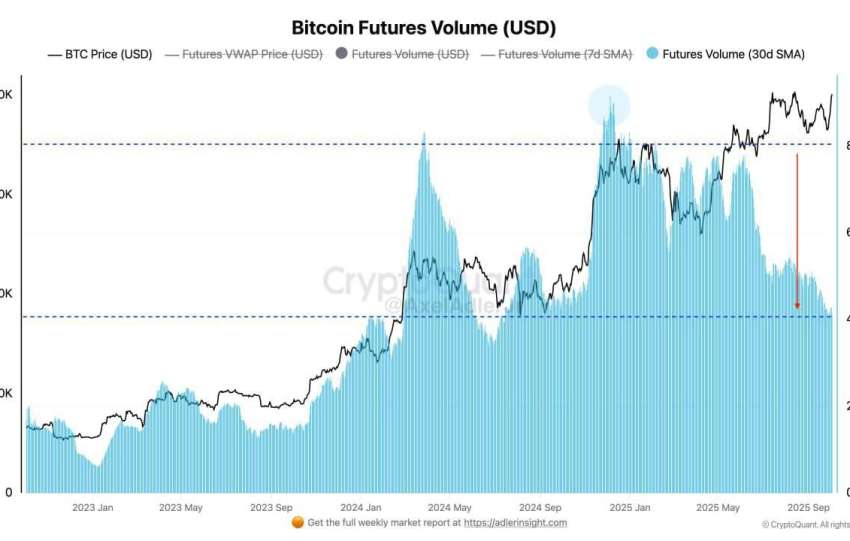
Les investisseurs institutionnels abandonnent massivement les futures CEX au profit des ETF spot.
Changement de profil d'investisseur
Ancienne ère (pré-2024) :
-Traders retail sur CEX
-Leverage 10x-100x
-Spéculation court terme
-Volume futures gigantesque
Nouvelle ère (2024-2025) :
-Investisseurs institutionnels via ETF
-Exposition spot (pas de leverage)
-Horizon long terme (hold)
- Volume futures en déclin
La visualisation comparative de…
Carbon Credit Market
Analyse de marché