Executive Summary
The 3:2:1 crack spread serves as a primary proxy for gross refining margins, calculated as:
3:2:1 Crack Spread=2×PGasoline (bbl)+1×PDistillate/Heating Oil (bbl)−3×PCrude (bbl)3\text{3:2:1 Crack Spread} = \frac{2 \times P_{\text{Gasoline (bbl)}} + 1 \times P_{\text{Distillate/Heating Oil (bbl)}} - 3 \times P_{\text{Crude (bbl)}}}{3}
where prices are typically futures-settled (e.g., WTI/RBOB/NYH HO for USGC benchmarks; Brent equivalents or regional baskets for Europe).…
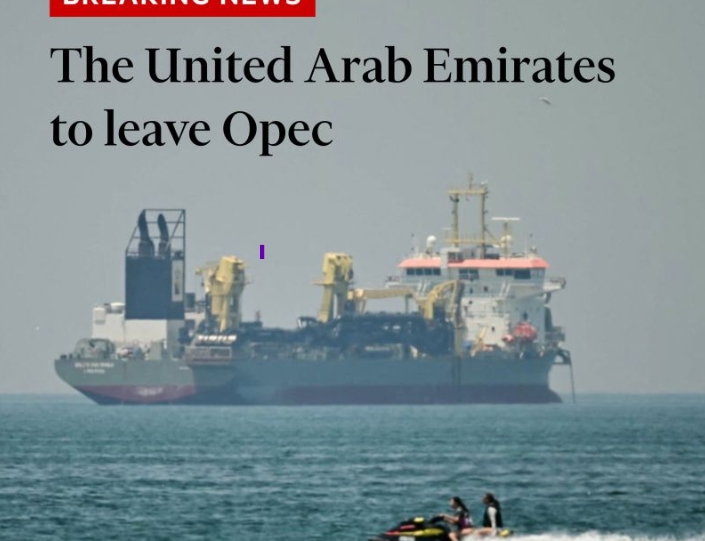
The simultaneous withdrawal declaration of Saudi Arabia and the United Arab Emirates from OPEC and OPEC+ (April 28-29, 2026) constitutes the most severe institutional rupture in the oil market since 1985-1986. This study demonstrates that this exit is not a purely bearish signal but rather the prelude to a two-speed structural dislocation:
…
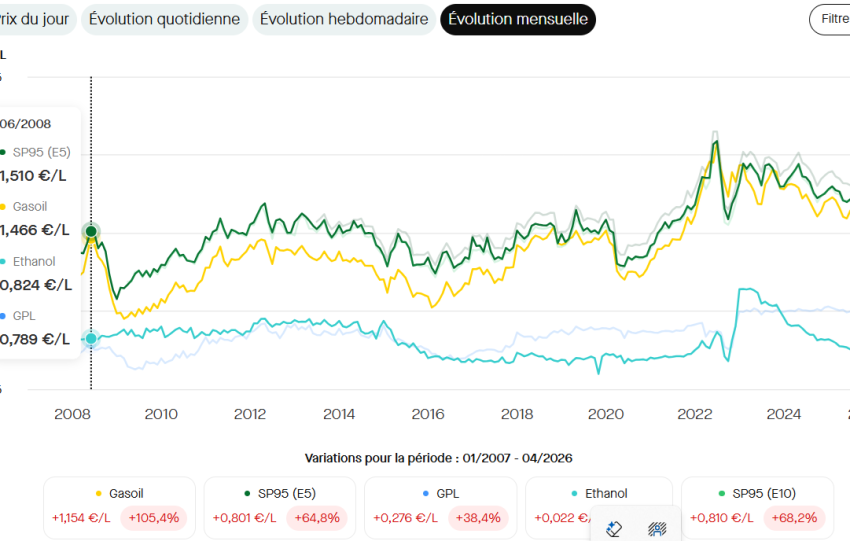
Le 1er avril 2026, un paradoxe frappe le marché énergétique européen : le prix du baril de Brent est sous les 102$/bbl (environ 98,65 $), alors que le gazole à la pompe en France atteint 2,243 €/L, un record historique. Cette observation, validée par la Théorie de la Mo 4.2, démontre une dislocation structurelle profonde…
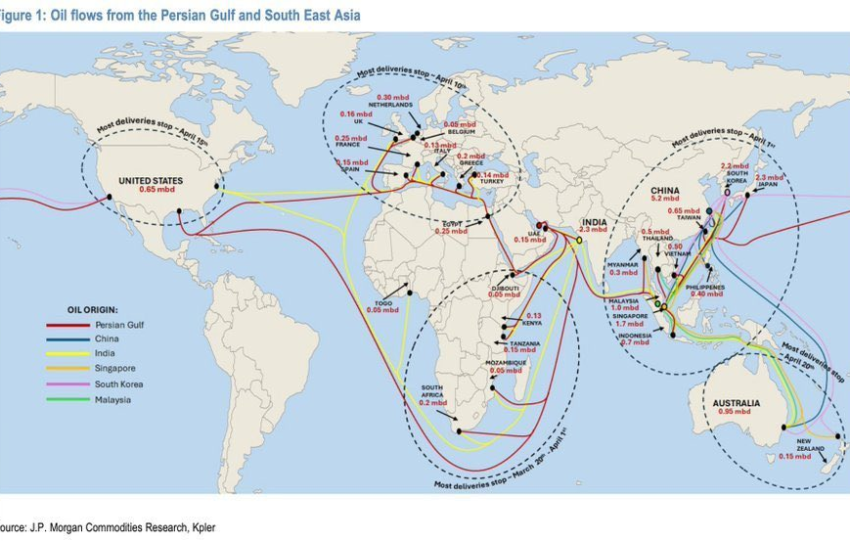
Multi-engine analysis suggests that the closure of the Strait of Hormuz, leading to a supply shock of 20 Mb/d (20% of world consumption), has established a regime of "structural energy constraint." This regime is characterized by a high conditional probability of activating restrictive measures on mobility ("energy lockdown"), estimated at 81.3% for 03/31/26, according to…
Analyse de marché