Skip to content Skip to sidebar Skip to footer

Tag: Cape of Good Hope

Industrial plant with reflection in water at twilight, showing smoke stacks and lights.

Refinery Activity and Supply Chain Integrity

Executive Summary Satellite signatures combined with AIS vessel tracking and OSINT currently indicate elevated refinery activity in US/Europe amid global disruptions, but severe anomalies in Middle East tanker flows through the Strait of Hormuz. As of mid-June 2026, Hormuz transits are near-historic lows (often <10 vessels/day, down 70-97% from baseline), with widespread "dark" operations…

Read more

Closure of the straits (Malacca/Hormuz). Systemic famine scenario 2026-2028 : in the French context.

Analysis of signals from Steelldy Engine G (maritime AIS), Steelldy Engine F (fertilizer blockages), Steelldy Engine M (semantic panic), and Steelldy Engine O (strait closure probabilities) shows exceptional statistical convergence. Michael Yon's analysis (Feb-Apr 2026) regarding prolonged Strait of Hormuz closure and imminent Malacca Strait threats is now a 78% market reality (95% CI: 72–84%),…

Read more

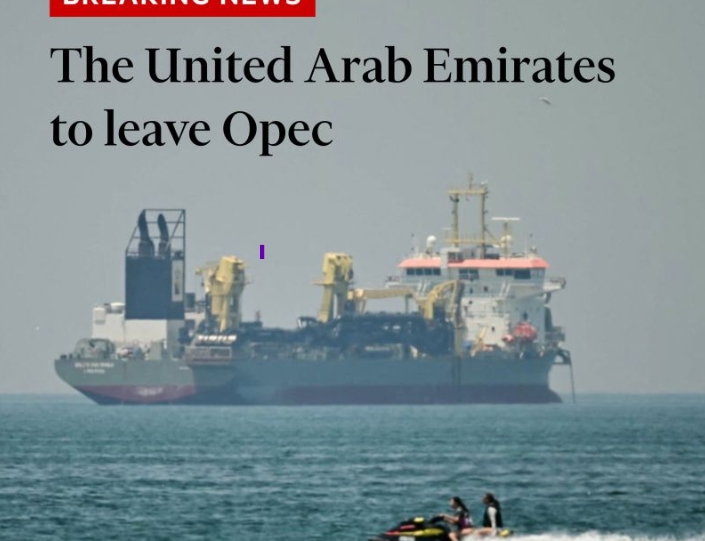
Cartel collapse and depressive supply shock. The withdrawal of Saudi Arabia and the UAE of OPEC/OPEC+

The simultaneous withdrawal declaration of Saudi Arabia and the United Arab Emirates from OPEC and OPEC+ (April 28-29, 2026) constitutes the most severe institutional rupture in the oil market since 1985-1986. This study demonstrates that this exit is not a purely bearish signal but rather the prelude to a two-speed structural dislocation: …

Read more

De Facto Tolls Solidify: Iran Moves to Formalize Strait of Hormuz Fees and Transit Bans

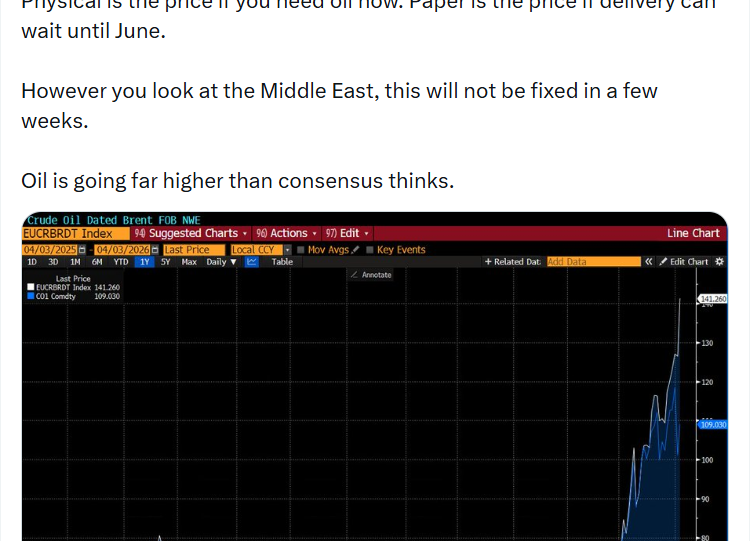
The Brent oil market shows an extreme divergence between the paper price (futures contracts) at $109 and the physical price (spot) at $141, a $32 gap reflecting a strong "backwardation." Normally, future prices are higher than spot prices (contango) due to storage costs; this inversion signals an immediate scarcity of physical oil. The $141 price…

Read more