AI bubble risks are elevated as of mid-to-late 2026, driven by an unprecedented capital expenditure boom outpacing near-term monetization, high valuations, circular financing, and competitive pressure from low-cost Chinese open models. Official warnings from institutions like the Bank for International Settlements highlight parallels to historical overinvestment cycles, while real technological progress and strong current revenues at key suppliers provide partial offsets. Outcomes remain uncertain in timing and severity. Hyperscalers, primarily Microsoft, Amazon, Alphabet, Meta, and Oracle, are guiding for roughly $700 billion or more in combined 2026 capital expenditures, with broader estimates exceeding $1 trillion including related AI infrastructure. Global AI-related investment is running around $850 billion to over $1 trillion in 2026.
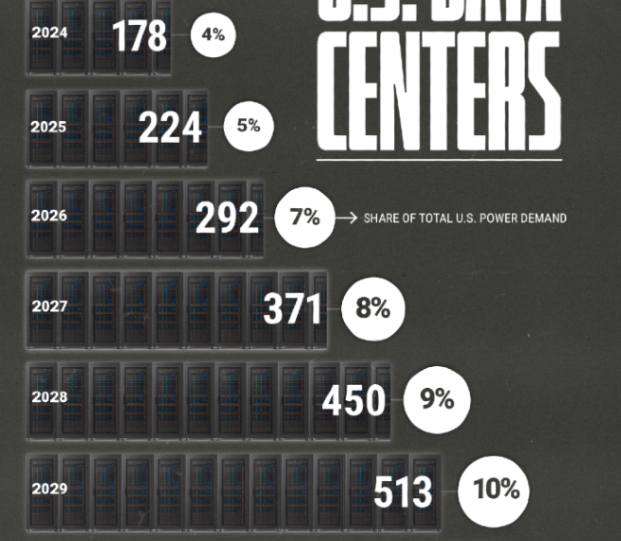
OpenAI’s ~$852B valuation, based on a $24B revenue run-rate, reflects extreme price-to-sales multiples typical of a bubble, with equity markets heavily concentrated in AI names and cyclically adjusted valuations near prior peaks. Returns lag behind massive investments, as much “guaranteed” revenue relies on unprofitable model providers, risking a capex boom turning into a bust if adoption or pricing falters. Financing vulnerabilities are amplified by rising debt, private credit, and off-balance-sheet vehicles; the BIS warns that disappointment could trigger a sudden stop, impacting financial conditions and the real economy. Chinese and open models (e.g., Kimi K3, DeepSeek, Qwen) match US performance at far lower costs, eroding high-margin revenue growth and threatening infrastructure spend justification, as seen in market reactions to the “DeepSeek/Kimi moment.” Physical constraints power grids, chip availability and political or regulatory pushback add friction, with capex intensity rising faster than prior cycles like housing or telecom.
The Bank for International Settlements (BIS) and others compare the current AI boom to past technological breakthroughs like the British railway mania, 1920s electrification, and the late-1990s dot-com bubble, which ended in investment reversals and recessions. AI’s heavy reliance on physical infrastructure and debt makes any correction potentially more damaging than the equity-focused dot-com crash. Some analysts foresee “rolling bubbles” across the value chain (models, infrastructure, applications) rather than a single collapse. Despite these risks, AI is generating measurable revenue growth in cloud, coding, and enterprise tools. Hyperscalers maintain strong core businesses, and residual value exists in data centers and chips. Long-term productivity gains could justify the spending, but timing a correction is difficult. Key indicators to watch include hyperscaler free-cash-flow trends, AI model revenue growth, Chinese/open-model adoption, power grid bottlenecks, and debt market conditions.