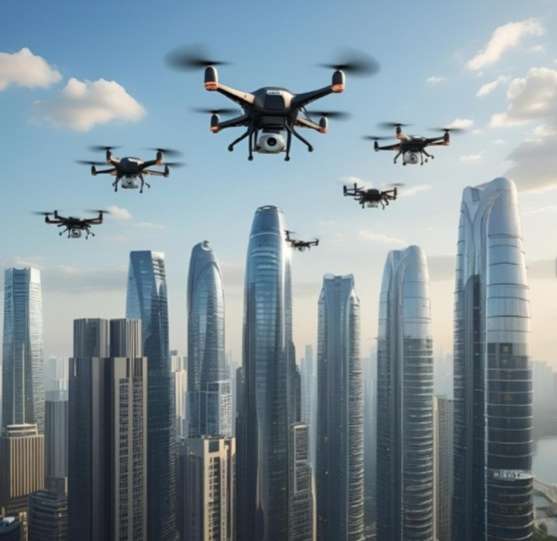
Thesis. Not all technological revolutions are equal as investment themes, they are equal as cost curves. Three curves collapse simultaneously in 2026-2030, the cost of AI inference, the cost of physical action (humanoid robotics and logistics), the cost of biological reading/writing (sequencing, synthesis) and their convergence creates the decade’s markets: instrumented smart cities, personalized health, physical labor automation. For the allocator, this is the first supercycle since the internet whose three legs are self-reinforcing.
Key Data (Framework). The financial leg of the supercycle is already measurable: AI has driven the majority of global technology capex growth since 2024; humanoid robotics moves in 2026-2027 from demonstration to pilot mass production (automotive and logistics factories); computational biotech (MANBRIC: the wave where biology becomes data science) reduces the cost of computational drug design by orders of magnitude; smart cities deploy sensor infrastructure whose data themselves become assets potentially tokenizable (infrastructure RWA: tolls, data, distributed energy).
Quantitative analysis. Three allocation rules for the supercycle:
1. Buy cost curves, not narratives. For each theme: is the unit cost decreasing by >20%/year? AI inference: yes. Robotic manipulation: yes (edge of the curve). Sequencing: yes for the past 15 years. Smart city deployment: depends on public funding, selective by jurisdiction (Gulf, East Asia > Europe).
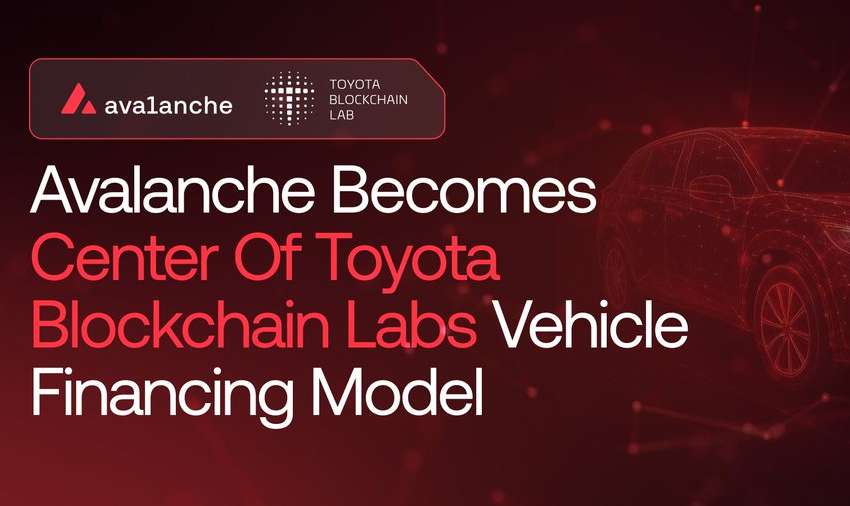
2. Returns will come from “picks and shovels”: compute, sensors, actuators, proprietary training data, and this is the bridge with our studies 1-4 the financing and settlement infrastructure for these physical assets: a robot fleet or an urban sensor network is a cash-flow-generating asset (subscriptions, pay-per-use), thus tokenizable, financeable via programmable private credit, and index-scorable. The technological supercycle and the RWA paradigm from study 1 converge: the rentier economy finances the physical economy.
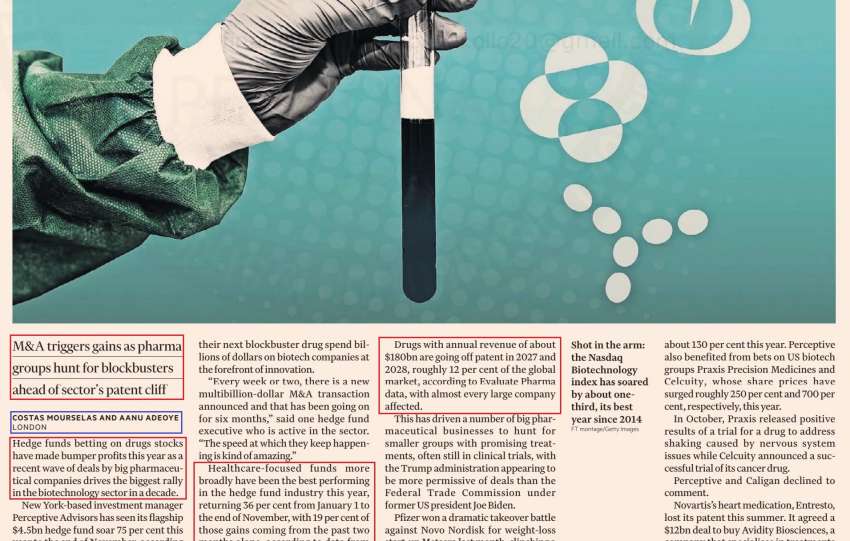
3. Biotech/MANBRIC is the decade’s asymmetry: long duration, low correlation to macro cycles, venture-style convexity profile. In a portfolio: 5-10% of the thematic allocation in vehicles with appropriate duration, never in daily liquidity.
Positioning. Long infrastructure AI (compute, energy, cooling), long “boring” robotics (logistics, inspection, agritech) ahead of consumer-grade humanoid robots, long computational biotech platforms with proprietary data, selective smart cities (only jurisdictions with committed public funding and clarified data ownership). For the family office: a “cost curve” basket reviewed annually, with weights determined by the unit deflation rate of each curve, a simple rule that outperforms narrative-driven stock-picking.
Risks. Valuation: the AI leg already prices in a lot; Energy: the electricity constraint for data centers is the real bottleneck; Biotech regulation: ethics govern the speed of commercialization; Geopolitics: robotics and biotech value chains are Sino-American, the risk of decoupling is ever-present.
Verdict. Structurally overweight, enter via flow-based infrastructure, fund innovation through programmable private credit rather than late-stage equity. The annuity of the 21st century finances the robots that produce it.