The simultaneous withdrawal declaration of Saudi Arabia and the United Arab Emirates from OPEC and OPEC+ (April 28-29, 2026) constitutes the most severe institutional rupture in the oil market since 1985-1986. This study demonstrates that this exit is not a purely bearish signal but rather the prelude to a two-speed structural dislocation:
…
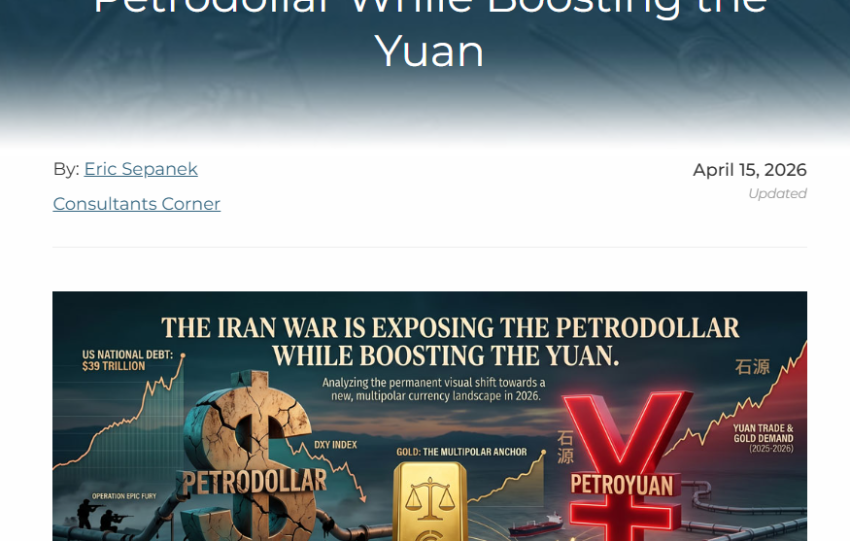
Analysis and summary based on the article "The Iran War Is Exposing the Petrodollar While Boosting the Yuan" by Eric Sepanek
The conflict involving Iran is challenging the U.S. dollar's dominance in the global financial system, despite an initial spike in the dollar's value (DXY) following the outbreak of war, which primarily reflects immediate…
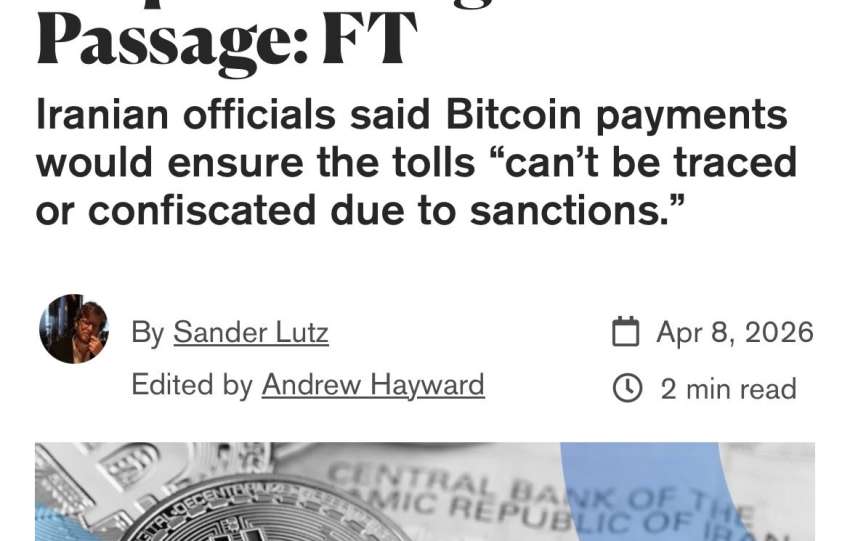
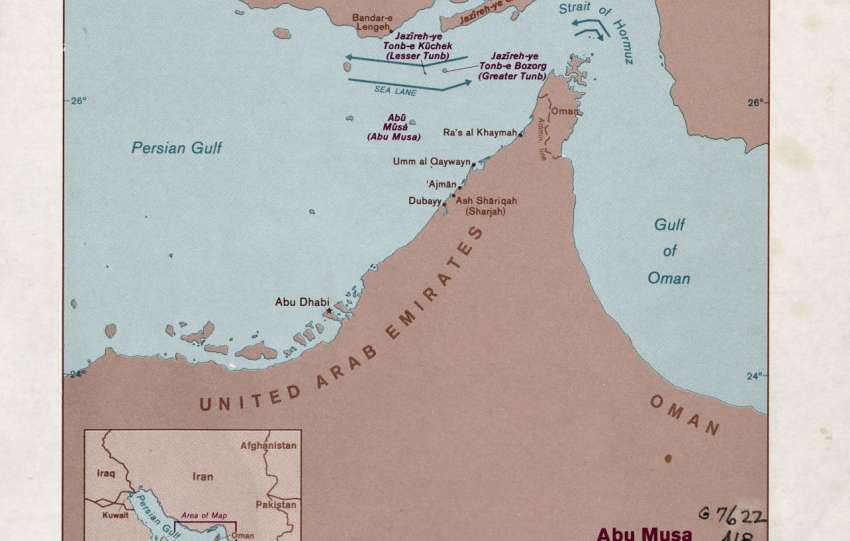
The information, factually confirmed by multi-source convergence (including the Financial Times of April 8, 2026), establishes that Iran now demands payments in cryptocurrencies (BTC, stablecoins) and in Yuan for oil transit through the Strait of Hormuz, completely bypassing SWIFT.
This mechanism, controlled by the IRGC, sets a rate of $1 per barrel, creating an…
L’escalade militaire entre les États-Unis et l’Iran, initiée fin février 2026, a déclenché une reconfiguration structurelle du système financier mondial. L’Iran a monétisé le détroit d’Ormuz en imposant un péage de $2 millions par passage de pétrolier, payable exclusivement en yuans chinois ou en USDT sur le réseau Tron . Cette décision transforme un conflit régional en arme de destruction massive contre le système…
1. La thèse principale soutient que la dédollarisation est une transition structurelle de 10 à 20 ans, entraînant une réallocation massive des capitaux des actifs libellés en USD (Trésors, crédit) vers des actifs réels sans contrepartie (or, Bitcoin) et des infrastructures monétaires alternatives (mBridge, CBDC, stablecoins).
2. Pour 2025-2030, une allocation défensive prudente est…
Analyse de marché