Analyse de marché
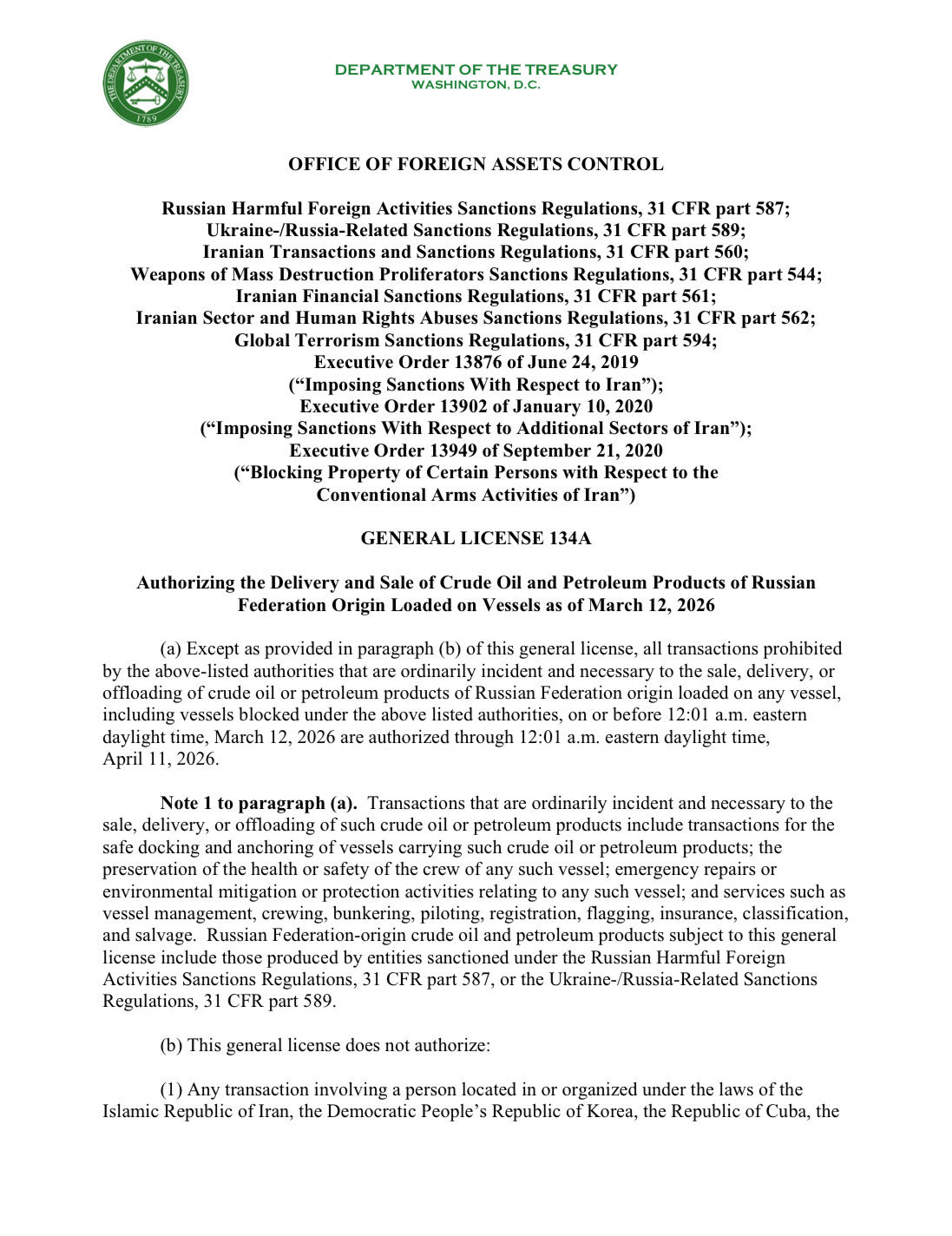
The “return of Russian oil” refers to the U.S. Treasury’s series of short-term General Licenses (GL 133 issued March 5, followed by GL 134 on March 12 and updated GL 134A on March 19, 2026) that authorize the sale, delivery, and offloading of sanctioned Russian-origin crude oil and petroleum products already loaded on vessels. (ww.reuters.com)
These were the first moves in the current wave of waivers (preceding the Iranian General License U issued March 20), unlocking roughly 100 million barrels of previously stranded Russian oil—equivalent to nearly one day of global output. (reuters.com)
Why It Was Issued and How It Targets Prices
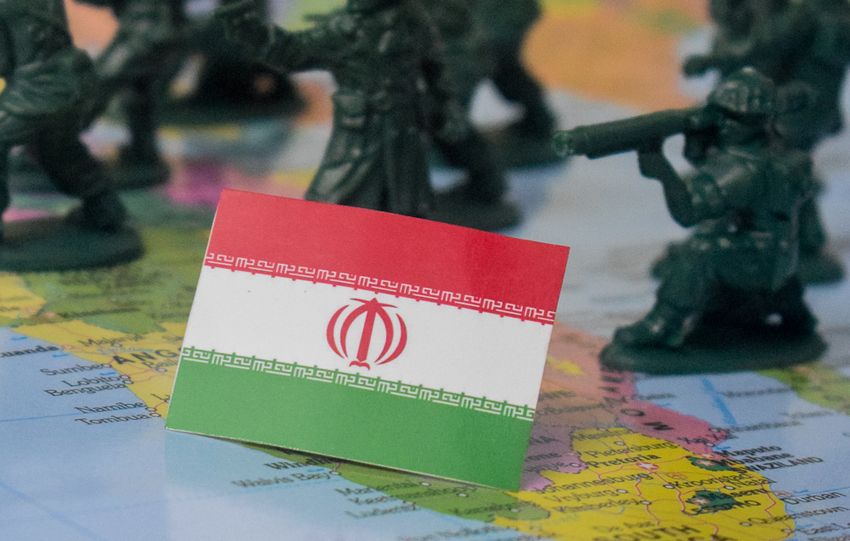
Treasury Secretary Scott Bessent framed the action as a “narrowly tailored, short-term measure” to add quick supply and stabilize energy markets roiled by the U.S.-Israeli conflict with Iran and the effective blockade of the Strait of Hormuz. (atlanticcouncil.org)
- Oil loaded by the March 12 cutoff can reach buyers (initially focused on India, then broadened) in days via existing tankers.
- The explicit goal: counteract ~6+ million bbl/day Middle East supply disruptions and prevent worse price spikes.
- GL 134A tightened exclusions for Cuba, North Korea, and Crimea but left the core authorization intact through April 11.
This mirrors the Iranian waiver exactly—using “stranded” sanctioned barrels against the crisis without lifting broader sanctions or enabling new Russian production.Market Reaction and Impact on Oil Prices
- Immediate relief: Prices eased in the days after the March 12 announcement (e.g., Brent dropped in early Asian trading on March 13–14). reuters.com
- Limited overall effect: Brent crude has stayed elevated above $100/bbl (near multi-year highs), with WTI following. Markets largely “shrugged off” the waiver amid ongoing war volatility, Hormuz risks, and attacks on infrastructure. edition.cnn.com +1
- The ~100 million barrels provide a modest buffer (roughly 5–6 days of normal Strait of Hormuz-equivalent flow), helping moderate the surge but not reversing it. Analysts note it offsets only a fraction of the total supply crunch.
Limitations and Outlook
- Temporary and narrow: Applies only to pre-loaded cargoes; no new Russian exports or full sanctions rollback. Russia gains limited extra revenue (most comes from extraction taxes, per Treasury).
- Part of a pattern: This was step one of the “scattergun” U.S. approach—followed by expansions and the Iranian waiver—signaling aggressive short-term supply boosts to cap prices.
- Consumer downstream: Helps slow the pass-through to gasoline/diesel (U.S. pump prices already at 4-year highs), but retail effects lag and depend on refining margins.
In short, the return of Russian oil is a clear near-term bearish catalyst—adding fast barrels precisely to blunt war-driven spikes and keep prices from exploding higher—but its impact has been modest and time-limited. Prices remain ~50–60% above pre-conflict levels, highly sensitive to any escalation or further waivers. This is stabilization triage, not a market reset. Markets will continue watching Hormuz developments and any additional U.S. moves.