Intel 18A is not a new x86 processor architecture, but rather a 2nm-class manufacturing process node where Intel will fabricate future CPUs, SoCs, and potentially chips for external clients. This process technology is highly anticipated, as it is central to Intel's strategy to overcome nearly five years of problems, aiming to mark a significant "before…

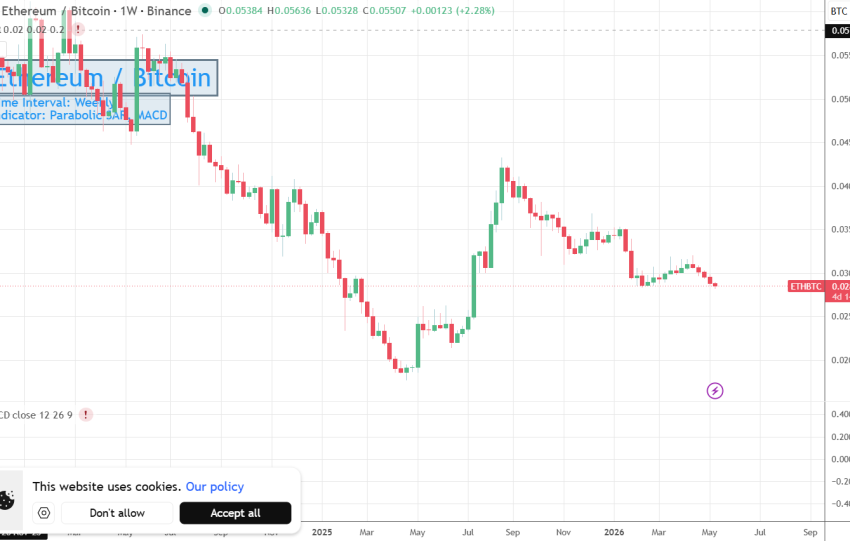
ETH/BTC est le prix relatif de deux systèmes distribués en concurrence. Ses déterminants principaux sont :
Prime de contrat intelligent : capitalisation sur l’écosystème DeFi et les dApps.
Concurrence des "ETH Killers" : Solana, Avalanche, Sui, Aptos, etc., qui érodent la part de marché d’Ethereum.
Mécanisme de destruction EIP‑1559 et frais de gaz : l’activité réseau alimente l’accumulation…
1.1 Adaptation of the Merton Model: Adjustment of the Probability of Default (PD) using the CCQI Index
The integration of the CCQI Index into credit risk models relies on adapting the structural framework of Merton (1974), where a borrower's Probability of Default (PD) is determined by the distance between the value of their assets and…
CCQI index and characterization of TCMs: Tracking Tokenization of RWAs and Carbon Credits
1.1 Methodology for the STEELLDY CCQI (Climate Credit Quality Index)
1.1.1 Definition and Objectives of the Index: Carbon Credit Quality Benchmark for the Voluntary Market
The Climate Credit Quality Index (CCQI), developed by STEELLDY, is a proprietary benchmark for the quality of…
The Core Carbon Principles (CCP), established by the Integrity Council for the Voluntary Carbon Market (ICVCM), constitute the most stringent quality benchmark in the carbon market. CCP-qualified credits must satisfy three fundamental criteria: additionality (the emission reductions would not have occurred without the financial incentive of the carbon credit), permanence (the reductions are irreversible over…
The tokenization of carbon credits is based on a layered technological architecture that ensures interoperability between traditional carbon credit registries and blockchain infrastructures. The typical protocol involves: (i) the verification and custody of carbon credits in a traditional registry account; (ii) the issuance of representative tokens on a public or permissioned blockchain, with a 1:1…
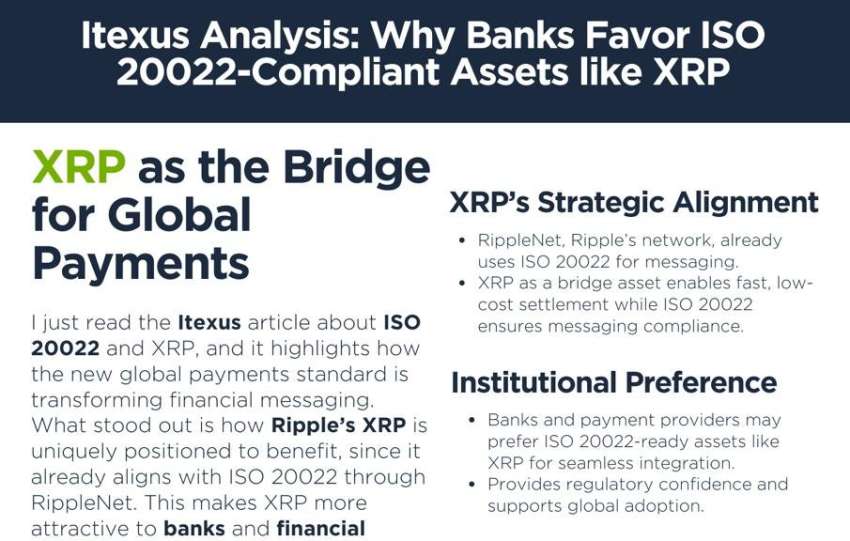
(1) XRP — Settlement Layer and Liquidity Bridge
XRP serves as a neutral liquidity bridge between different fiat currencies and tokenized assets. The arrival of seven US spot XRP ETFs (approximately $1 billion in AUM) signals progressive institutionalization. Demand for XRP structurally stems from the volume of transactional flows, which creates continuous buying pressure…
The gradual shift of the XRP Ledger (XRPL) from a simple payment network to a true institutional settlement layer (RWA, tokenization, interbank cross-border settlements) is empirically observable.
J.P Morgan recently revealed its utilization of the XRPL.✅ Up next? 🙇♂️ Goldman Sachs and Citi.😏💨 https://t.co/nCu062uXxz — SMQKE (@SMQKEDQG) May 9, 2026
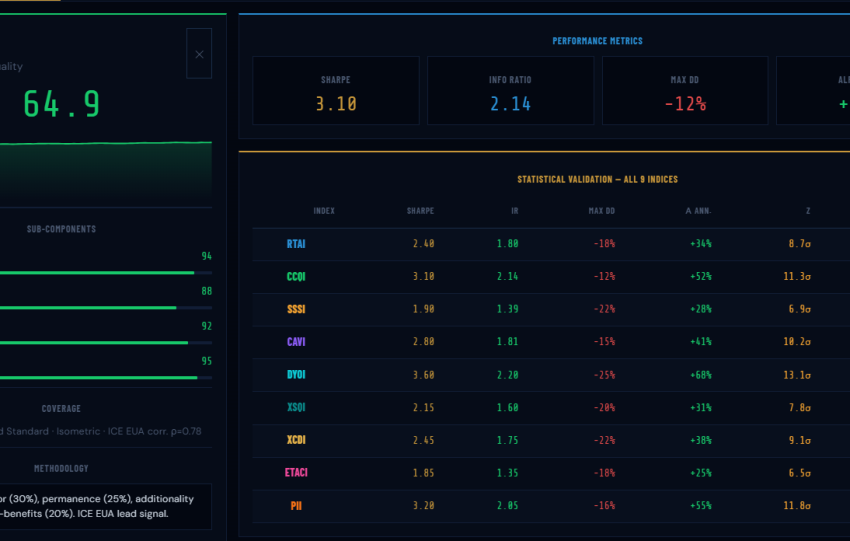
Quantitative Validation Elements …
Intel experienced a massive surge in market capitalization, growing 3.2 times (221%) between March 30 and May 8, 2026, representing one of the strongest percentage gains for any company valued over $200 billion in a 28-day period.
Over the past year, since its lows in April 2025, the company's valuation has increased 7.5 times.…
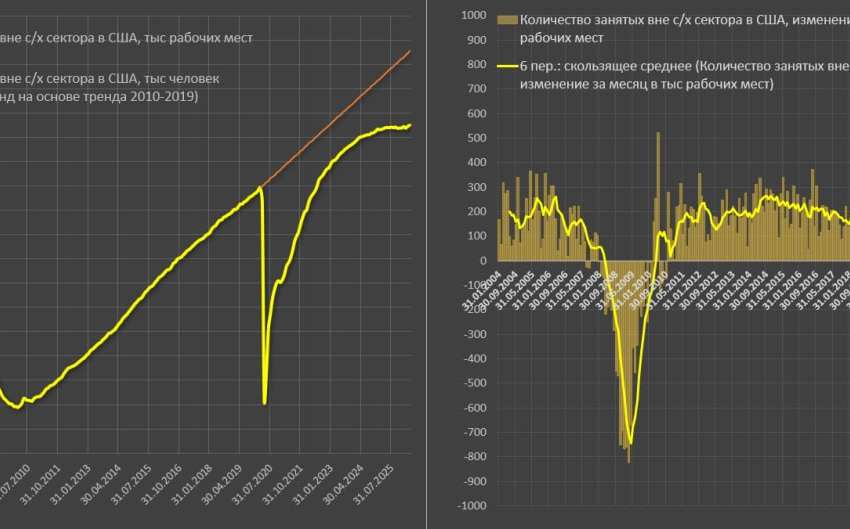
The US labor market appears stagnant.
Job creation in April was 115,000, following 185,000 in March and a 156,000 loss in February. However, these figures should be viewed cautiously due to annual restatements that typically eliminate 0.8-1.2 million jobs, equivalent to about 100,000 in average monthly additions historically. This pattern often creates an illusion…
Analyse de marché
Décarbonisation