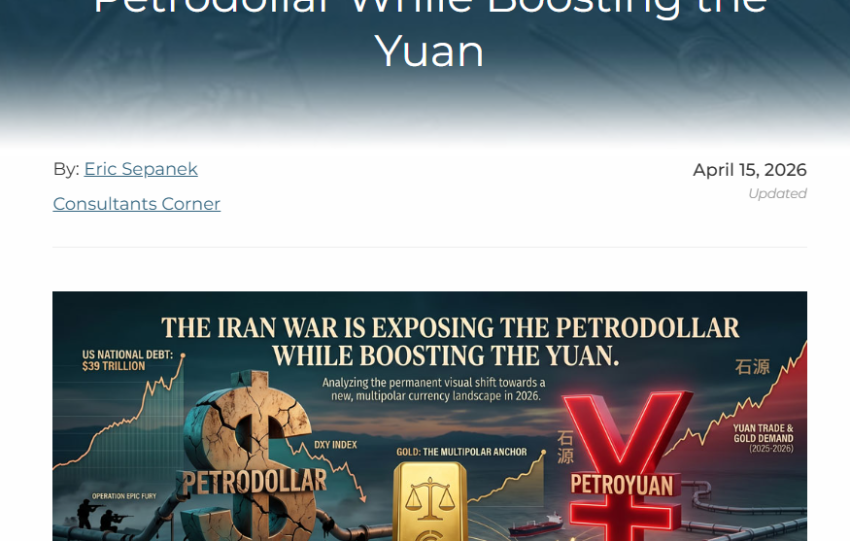
Analysis and summary based on the article "The Iran War Is Exposing the Petrodollar While Boosting the Yuan" by Eric Sepanek
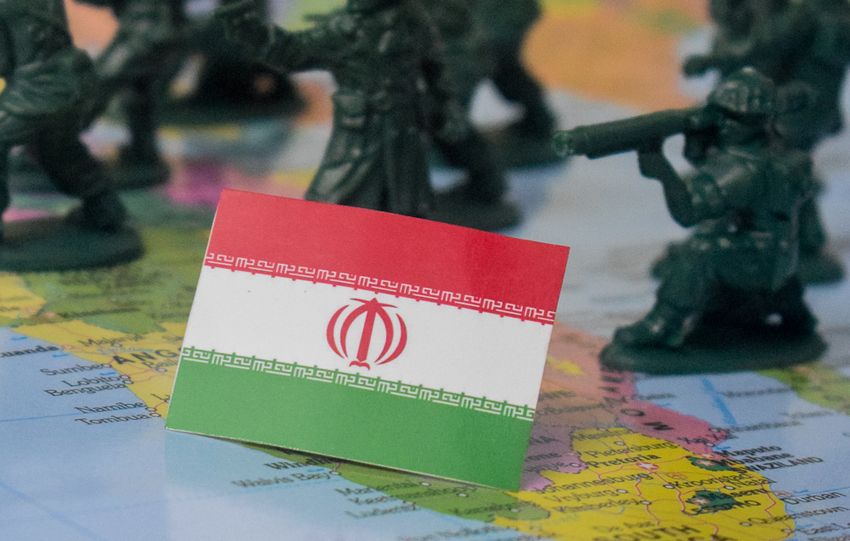
The conflict involving Iran is challenging the U.S. dollar's dominance in the global financial system, despite an initial spike in the dollar's value (DXY) following the outbreak of war, which primarily reflects immediate…
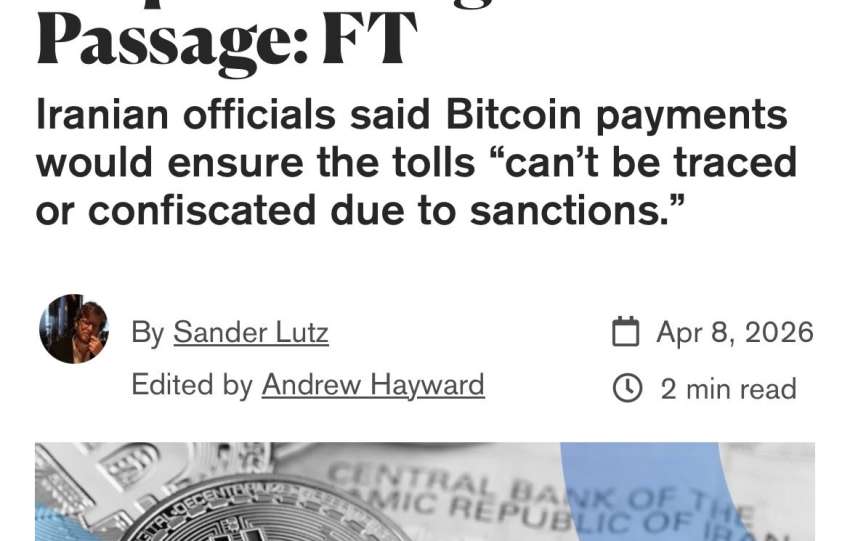
The information, factually confirmed by multi-source convergence (including the Financial Times of April 8, 2026), establishes that Iran now demands payments in cryptocurrencies (BTC, stablecoins) and in Yuan for oil transit through the Strait of Hormuz, completely bypassing SWIFT.
This mechanism, controlled by the IRGC, sets a rate of $1 per barrel, creating an…
Historical Context: The Great Treasury Unwind
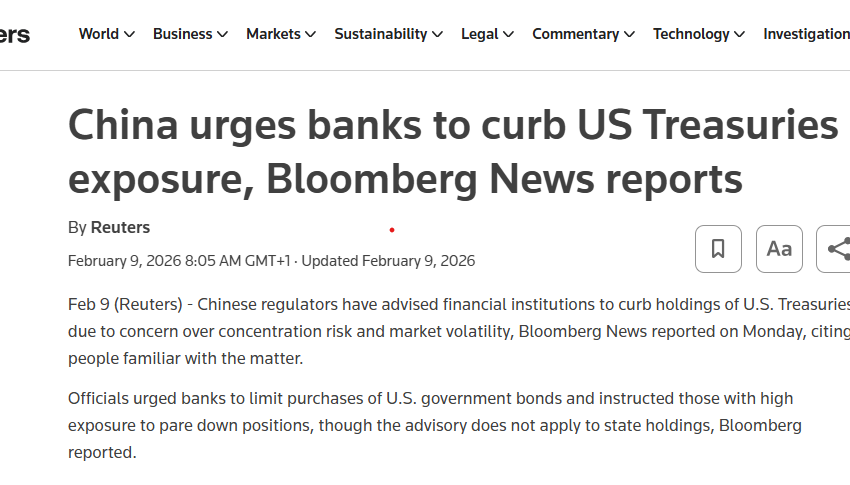
China's US Treasury holdings have undergone 'systematic liquidation' over 12+ years:
PeriodHoldings ($B)Δ vs PeakDriversMarket ImpactNov 2013 (Peak)$1,320—Accumulation phase: China recycles trade surplus into TreasuriesNone (buying)2014-2016$1,250-5.3%First diversification: Silk Road infrastructure, A-shares supportMinimal2017-2019$1,120-15.2%Trade War I: Trump tariffs, retaliation via Treasury sales10Y yield +50bp2020-2022$980-25.8%COVID, SWIFT weaponization fears (Russia precedent)Offset by…
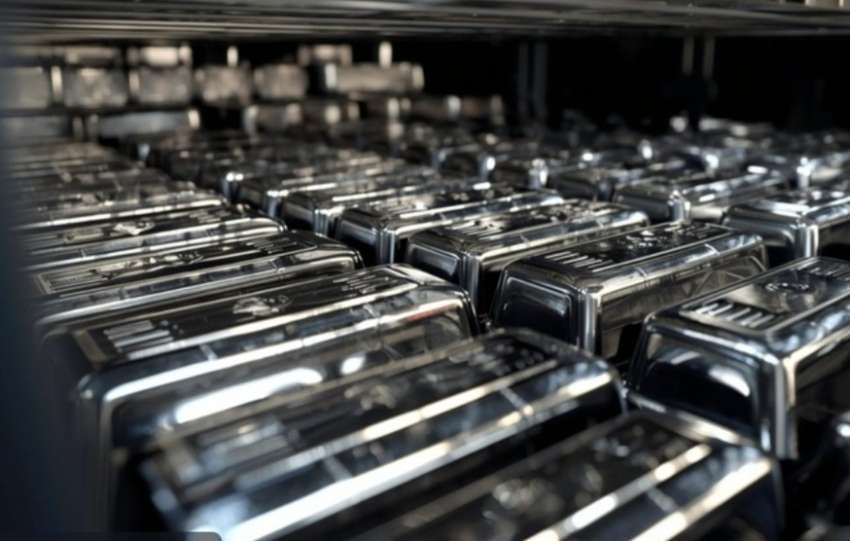
On February 12, 2026, the publication of a Kremlin memorandum suggesting Russia might return to US dollar settlements triggered a severe, rapid sell-off in precious metals, with silver futures dropping 9.2% and gold shedding 2.53% within 47 minutes.
This event, classified by Steelldy risk engine as an extreme geopolitical repricing event (score 91/100), signaled…
Economie