Analyse de marché
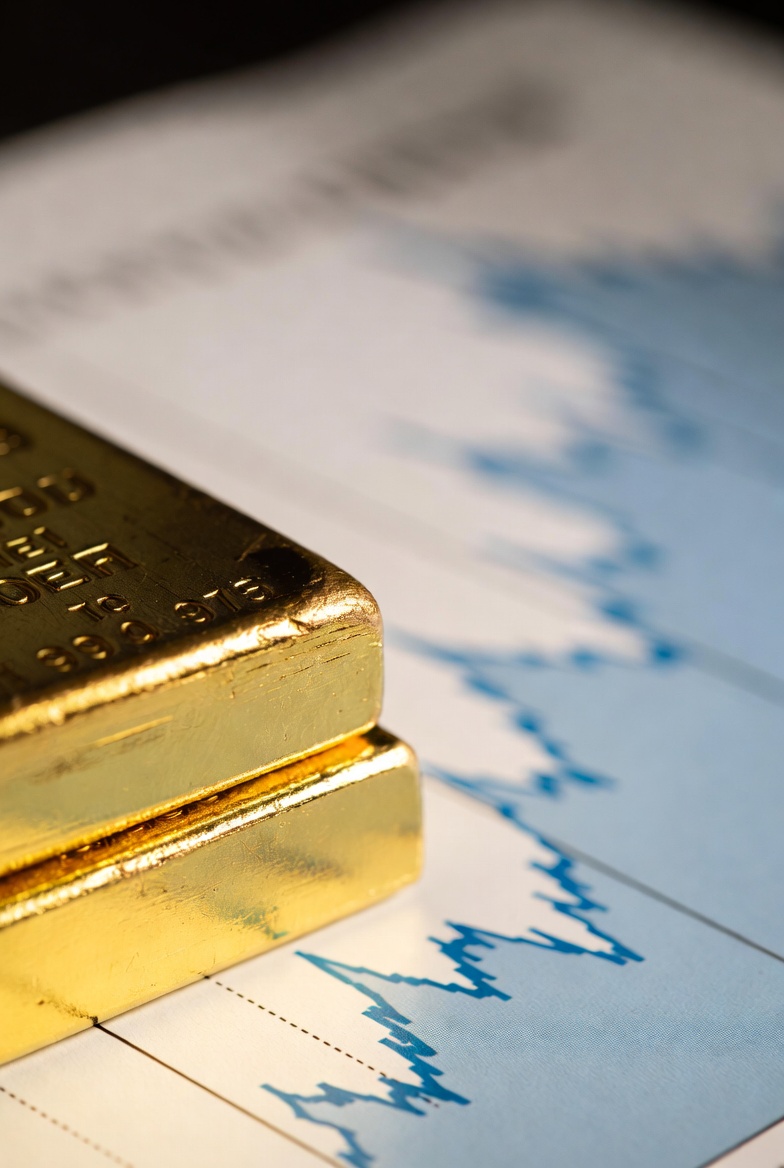
On Tuesday, May 12, 2026, gold prices dropped by 1.5% to $4,665 despite the US Bureau of Labor Statistics reporting the April Consumer Price Index (CPI) at 3.8% year-over-year, the highest since May 2023. This counterintuitive movement occurs because high inflation data first influences the Federal Reserve’s expectations, which then drives market reactions, often moving gold prices inversely.
When inflation surpasses expectations, traders rapidly reassess the Fed’s next move. Following the CPI release, CME FedWatch figures indicated a sharp shift towards anticipating interest rate hikes by December 2026 (around 30% probability) and exceeding 70% by April 2027, a significant reassessment within hours. This anticipation of a “hawkish” Fed response strengthens the US Dollar Index (DXY).
Since gold is dollar-denominated, a stronger dollar typically leads to a gold sell-off. Thus, the chain reaction is: high CPI → expectation of hawkish Fed action → dollar strengthening → gold selling. This reflects short-term futures market positioning rather than undermining gold’s long-term role as an inflation hedge. The recent inflation surge is notable: CPI rose to 3.3% in March and 2.4% in February, totaling a 1.4 percentage point increase over two months, heavily driven by a 28.4% annual rise in gasoline prices. Housing costs also increased. JPMorgan Global Research anticipates inflation staying above 3% into early 2027, and Bank of America Research pushed their expected first rate cut to the second half of 2027. The Fed is effectively trapped, unable to cut rates with inflation far above the 2% target, yet hesitant to hike due to existing pressure on economic growth. This leaves real wages negative and savings depreciating by 3.8% annually. Gold traditionally preserves purchasing power over decades, but its short-term movement is governed by real yields—Treasury yields adjusted for inflation. A sudden inflation spike causes nominal yields to rise faster than inflation expectations, increasing real yields. This makes dollar-denominated assets more attractive, leading to gold sales, exactly as occurred on Tuesday.
Therefore, a single CPI print can temporarily push gold down even if the long-term inflation outlook favors the metal; this reflects different time horizons. The current gold decline signals a positional adjustment triggered by the “hawkish” reassessment following the CPI data, impacting traders holding long positions. The underlying signals—3.8% accelerating inflation, negative real wages, Fed inaction, soaring gas prices, and geopolitical uncertainty—suggest ongoing dollar purchasing power erosion that the Fed is unlikely to halt without collateral damage.
Gold fell due to revised interest rate expectations, not diminished inflation concerns. Confusing these two factors unnecessarily drives long-term gold investors from the market. Investors should watch the upcoming Personal Consumption Expenditures (PCE) index, the Fed’s preferred inflation gauge. A PCE figure above 3% would reinforce expectations of no rate cuts in 2026 and likely elevate future rate hike expectations on FedWatch.
Currently, $4,600 serves as short-term support for gold, while DXY movements will signal the immediate future direction of the dollar-gold relationship.