We use exclusively verifiable public data, collected and processed by our Steelldy Risk Engine 3.4 infrastructure and Bloomberg Intelligence modules:
- Treasury International Capital (TIC): Monthly and annual reports, raw and adjusted data for valuation and hedging effects, broken down by country and maturity (source: Treasury.gov).
- Official reserve flows: IMF COFER (Currency…
Estimated losses in the oil market reached 800 million barrels in March-April, growing to 1 billion barrels by mid-May, according to the IEA. This compares to a cumulative intervention of 400 million barrels, including the US. Before the conflict, global observable reserves in February stood at 8,185 million barrels; however, a significant portion is operational,…
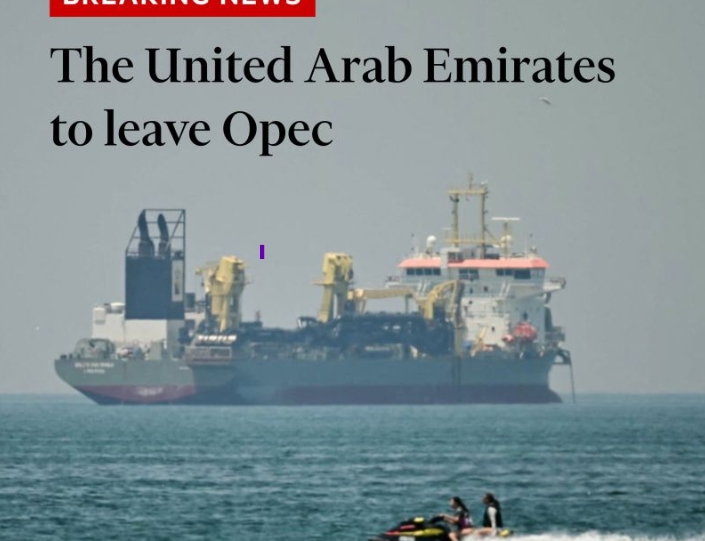
The simultaneous withdrawal declaration of Saudi Arabia and the United Arab Emirates from OPEC and OPEC+ (April 28-29, 2026) constitutes the most severe institutional rupture in the oil market since 1985-1986. This study demonstrates that this exit is not a purely bearish signal but rather the prelude to a two-speed structural dislocation:
…
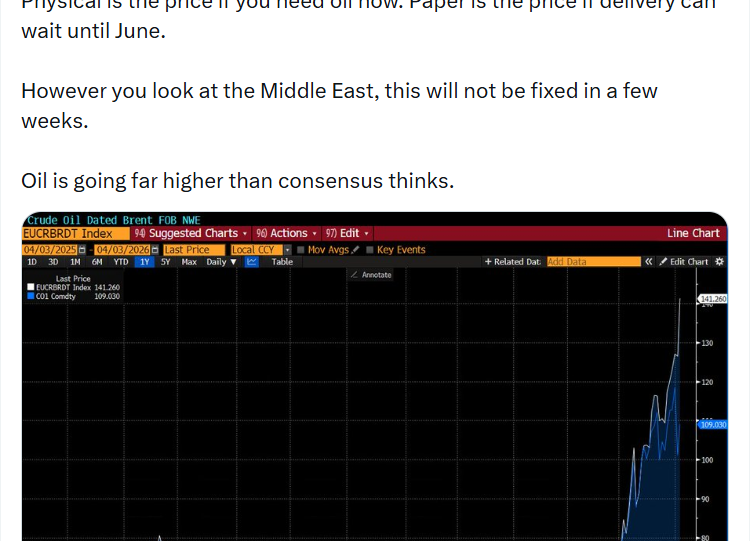
The Brent oil market shows an extreme divergence between the paper price (futures contracts) at $109 and the physical price (spot) at $141, a $32 gap reflecting a strong "backwardation." Normally, future prices are higher than spot prices (contango) due to storage costs; this inversion signals an immediate scarcity of physical oil. The $141 price…
The US Treasury issued a temporary waiver on restrictions for certain stranded Russian oil shipments, announced around March 12-13, 2026, to address global supply disruptions amid escalating tensions with Iran.
This 30-day exemption allows countries to purchase and transport Russian crude and petroleum products that were loaded onto ships as of March 12, 2026, with…
Ritatis et quasi architecto beatae vitae dicta sunt explicabo emo enim ipsam.
Analyse de marché