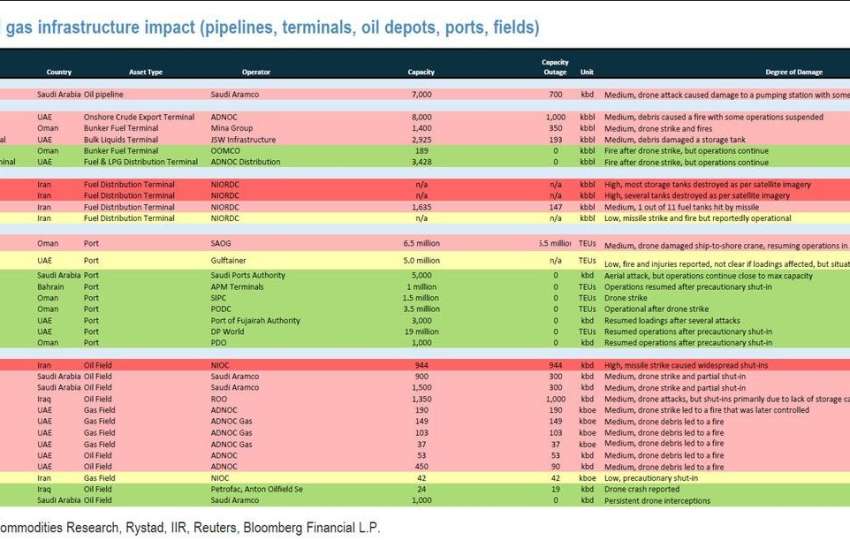
A JP Morgan Commodities Research table listing specific oil and gas assets hit across the Middle East, including pipelines, terminals, ports, depots, and fields in Saudi Arabia, UAE, Iran, Iraq, and Oman. The table details drone strikes, missile attacks, and fires causing capacity outages, with examples like partial shutdowns at Saudi East-West pipeline, full disruptions…
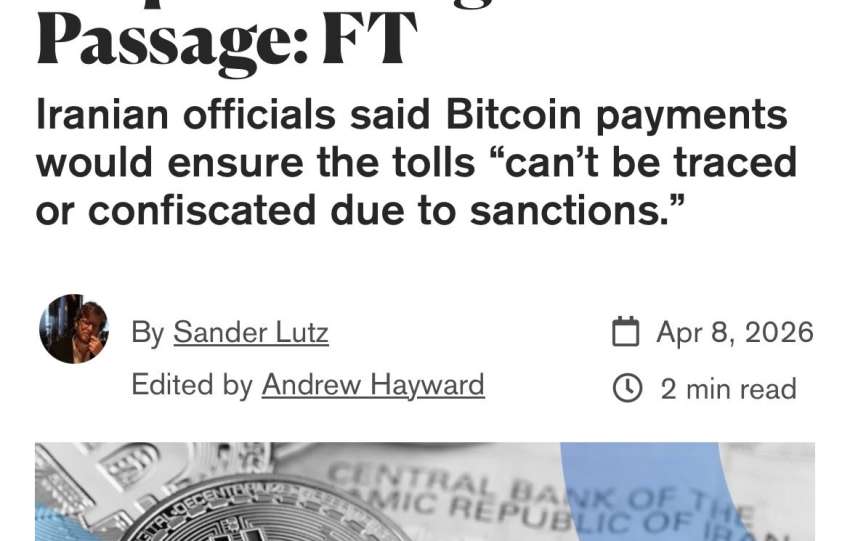
The information, factually confirmed by multi-source convergence (including the Financial Times of April 8, 2026), establishes that Iran now demands payments in cryptocurrencies (BTC, stablecoins) and in Yuan for oil transit through the Strait of Hormuz, completely bypassing SWIFT.
This mechanism, controlled by the IRGC, sets a rate of $1 per barrel, creating an…
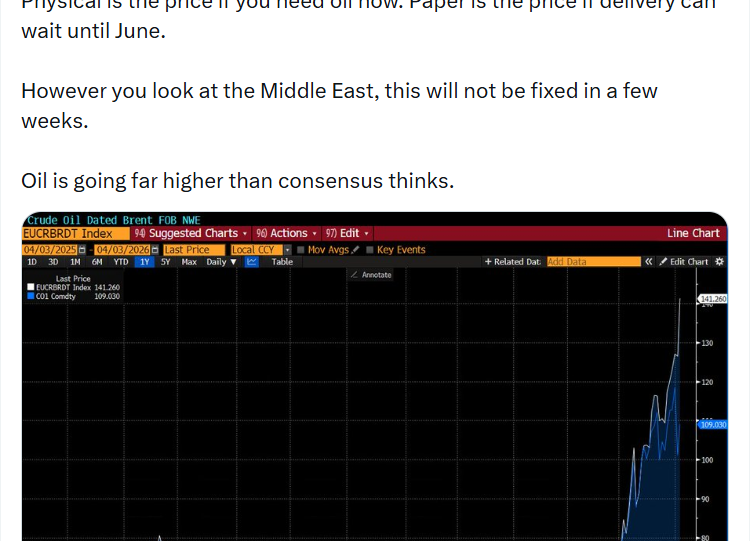
The Brent oil market shows an extreme divergence between the paper price (futures contracts) at $109 and the physical price (spot) at $141, a $32 gap reflecting a strong "backwardation." Normally, future prices are higher than spot prices (contango) due to storage costs; this inversion signals an immediate scarcity of physical oil. The $141 price…
L'impact chiffré de €0,08/L attribué à l'effet de change dans notre étude du 2 avril 2026 se réfère à la période de référence 27 février 2026 (pré-crise, T-35 jours) au 1er avril 2026 (T). Ce calcul repose sur une décomposition rigoureuse des composantes du prix à la pompe, isolant la variation du taux de change EUR/USD toutes choses…
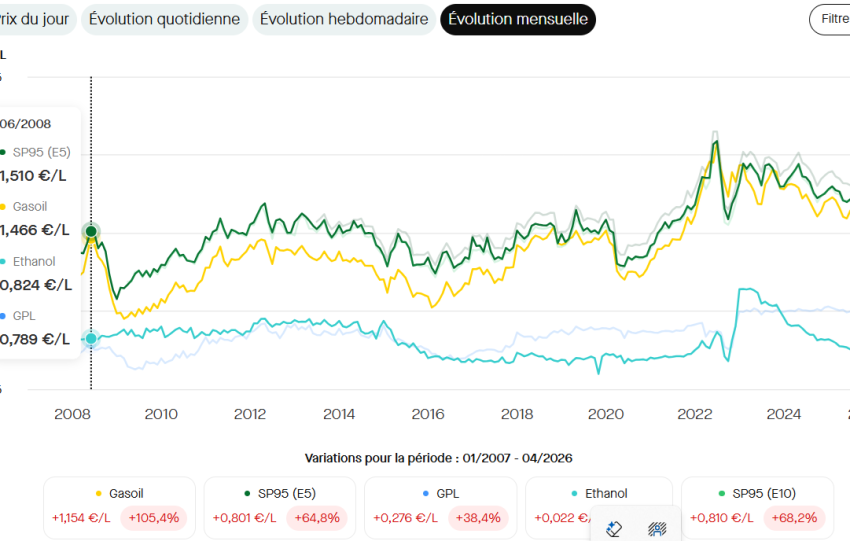
Le 1er avril 2026, un paradoxe frappe le marché énergétique européen : le prix du baril de Brent est sous les 102$/bbl (environ 98,65 $), alors que le gazole à la pompe en France atteint 2,243 €/L, un record historique. Cette observation, validée par la Théorie de la Mo 4.2, démontre une dislocation structurelle profonde…
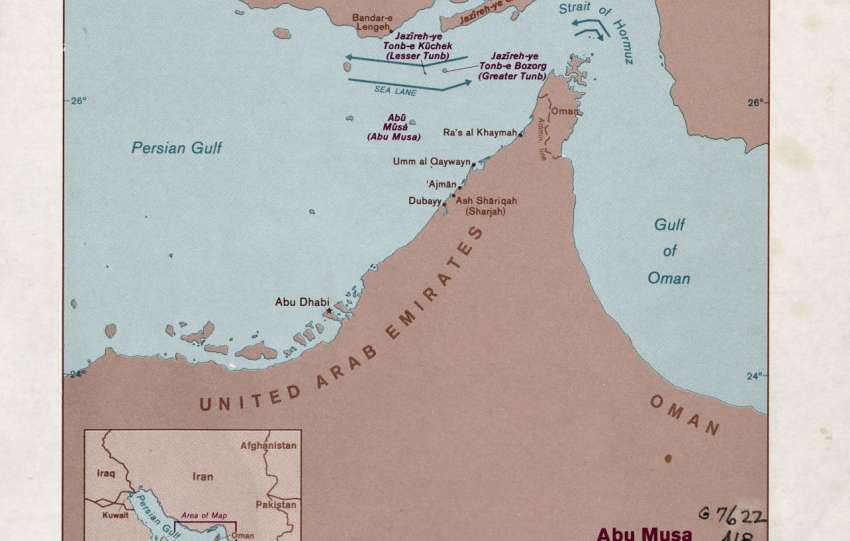
L’escalade militaire entre les États-Unis et l’Iran, initiée fin février 2026, a déclenché une reconfiguration structurelle du système financier mondial. L’Iran a monétisé le détroit d’Ormuz en imposant un péage de $2 millions par passage de pétrolier, payable exclusivement en yuans chinois ou en USDT sur le réseau Tron . Cette décision transforme un conflit régional en arme de destruction massive contre le système…
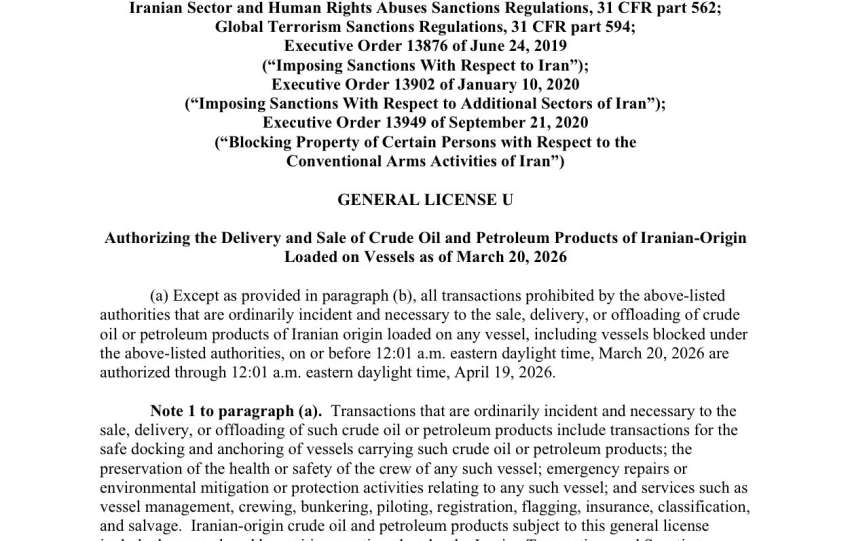
The U.S. Treasury's General License U (issued March 20, 2026) is explicitly designed to exert downward pressure on oil prices by flooding the market with additional supply at a time when prices have surged over 50% since the U.S.-Israeli conflict with Iran began in late February.
Why It Targets Prices
The license authorizes the…
In a podcast discussion, Mike Maharrey of Money Metals interviewed Brian Lundin, President and CEO of Jefferson Financial, regarding factors influencing the gold and silver markets. Lundin argued that long-term monetary trends, rather than short-term geopolitical events, fundamentally drive metal prices.
While global conflicts like tensions involving Iran caused brief spikes in gold prices…
The US Treasury issued a temporary waiver on restrictions for certain stranded Russian oil shipments, announced around March 12-13, 2026, to address global supply disruptions amid escalating tensions with Iran.
This 30-day exemption allows countries to purchase and transport Russian crude and petroleum products that were loaded onto ships as of March 12, 2026, with…
L'activation d'une campagne militaire soutenue par les États-Unis contre l'Iran durant la fermeture des marchés occidentaux constitue un événement de type "Tail Risk" (risque de queue) à probabilité d'occurrence faible mais à impact systémique maximal. Le choix du timing (vendredi soir) suggère une volonté de contenir la volatilité immédiate tout en permettant une purge de…
Analyse de marché