Analyse de marché
The perceived political resolution, described as « co-ordinated social media posts » rather than a genuine US-Iranian ceasefire, has failed to stabilize the energy market, leading to deepening fallout. European and Asian refineries scrambling for oil cargoes have driven North Sea prices to record highs, with Forties Blend nearing $147 a barrel, surpassing 2008 levels, indicating severe market anxiety over trapped oil volumes in the Gulf.
Physical North Sea barrels are trading significantly above the $97 Brent benchmark for June delivery, signaling fears of impending shortages, despite assurances from leaders like Donald Trump regarding the Strait of Hormuz reopening.
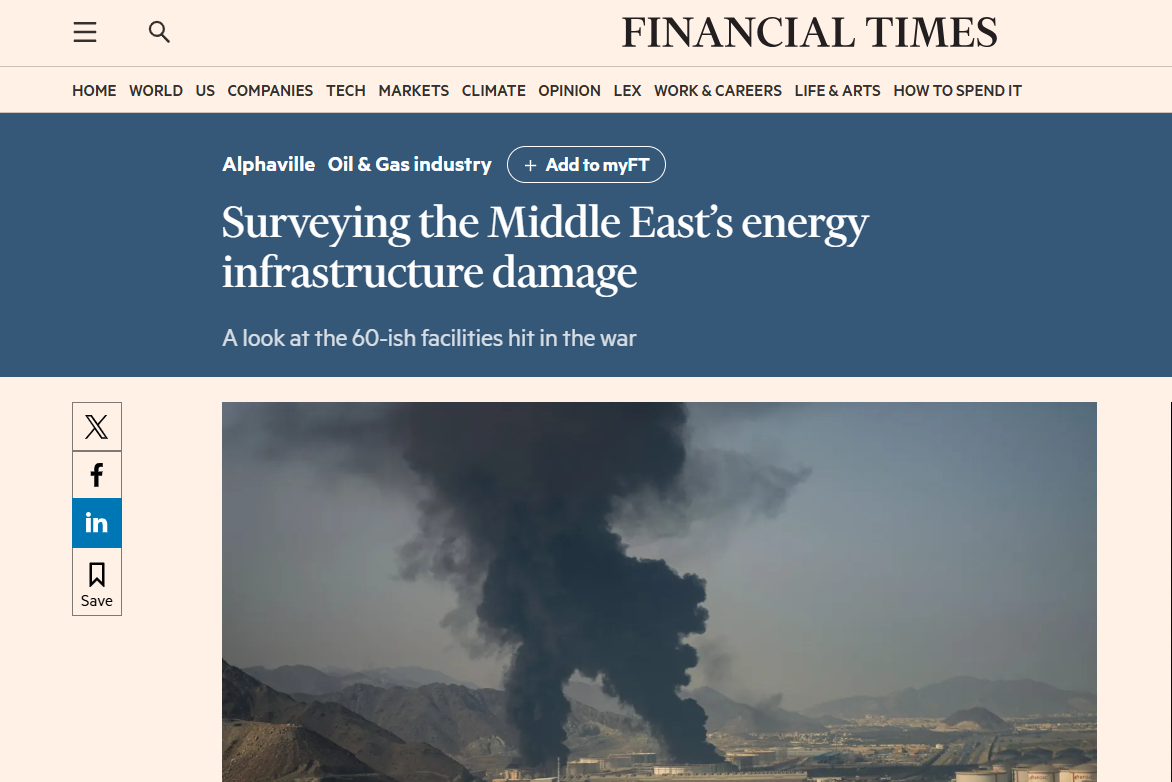
The market stress persists because the reality of Iran’s control over the Strait of Hormuz is now established, and significant energy infrastructure damage across the region will require extended repair times, even if a ceasefire holds. JPMorgan analysts estimate that over 60 energy infrastructure assets in the Gulf have been affected by drone and missile strikes since the conflict began, with around 50 sustaining damage.
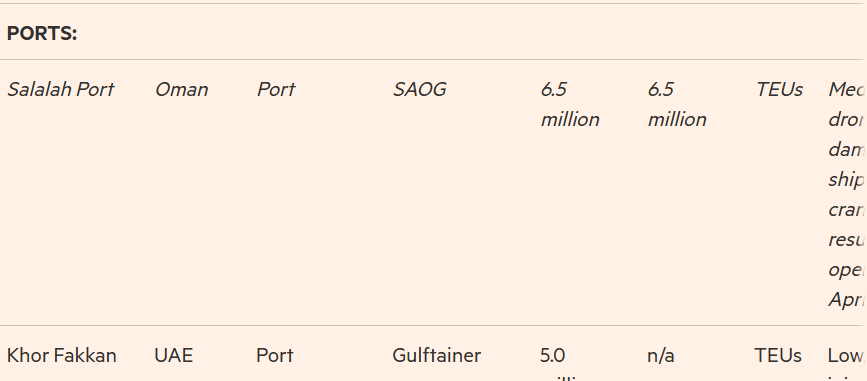
While most disruptions are expected to be short-term, at least eight assets are severely impacted, such as Qatar’s Ras Laffan complex, which may need years to restore 17% of its damaged capacity, and Bahrain’s Sitra refinery, which was struck twice. Oil refining has been heavily affected, with an estimated 2.4 million barrels per day (mbd) of capacity shut down across 20 plants. While some capacity could return soon, the longer repairs needed for facilities like Bahrain’s Sitra refinery and Iran’s Tehran refinery represent lasting reductions.
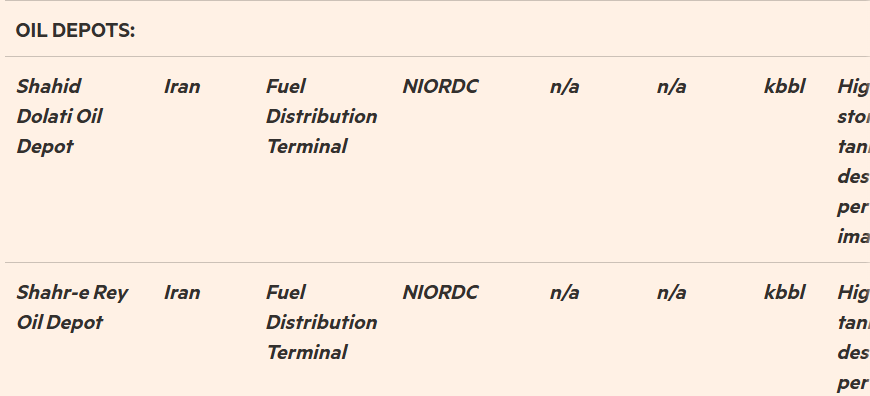
Further compounding the issue, Saudi Arabia reported recent attacks hitting upstream, midstream, and downstream infrastructure, including key refineries and export sites.
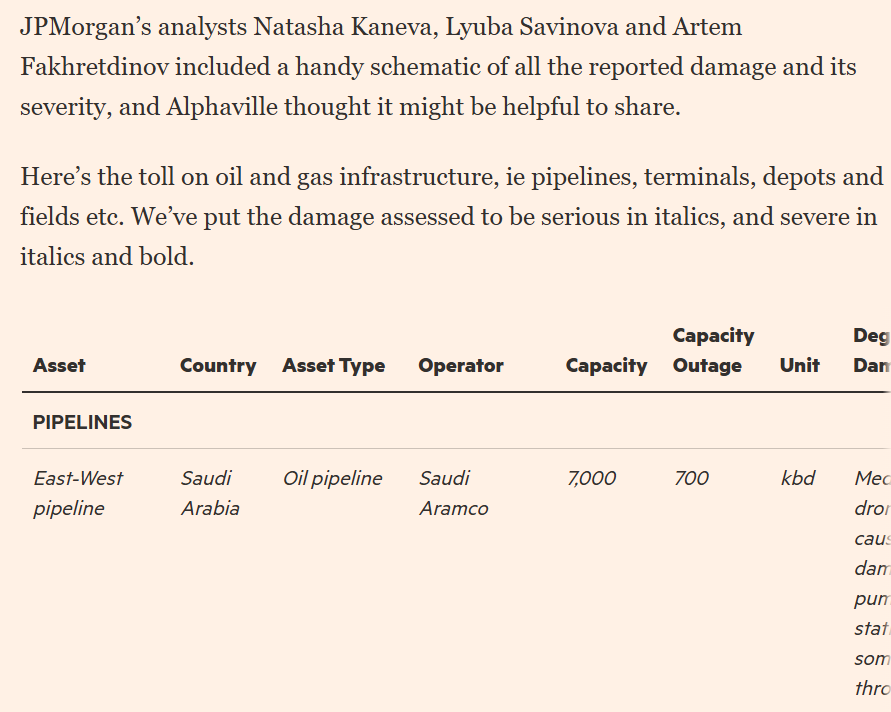
The loss of 700 kbd throughput on the East-West pipeline, which bypasses roughly 5 mbd of flows, is particularly concerning following a recent ceasefire announcement. JPMorgan provided a schematic detailing the reported damage severity across pipelines, terminals, depots, and fields.